Flying in the United States often feels like a gamble. Will your flight be on time? Will your luggage arrive with you? Will you spend the journey crammed into a seat with minimal legroom? These questions plague millions of travelers who find themselves frustrated with the state of modern air travel.
Complaints about frequent delays, surprise cancellations, endless fees, and lackluster customer service have become alarmingly common. The feeling that US airlines are simply “bad” is not just a perception; it’s a shared experience rooted in a complex history of deregulation, industry consolidation, and mounting operational pressures. This article breaks down the core reasons behind the decline in service and offers actionable solutions to help you navigate a flawed system.
The Root of the Problem: How Did We Get Here?
To understand the current state of US air travel, one must look back at the decisions and market forces that shaped the industry. What began as a move to increase competition and lower fares has evolved into a system where passenger comfort and reliable service often take a backseat to profit margins.
The Double-Edged Sword of Deregulation
The pivotal moment was the Airline Deregulation Act of 1978. Before this, the government controlled which airlines could fly which routes and how much they could charge. Deregulation aimed to let market forces drive competition, promising more choices and lower prices for consumers.
Initially, it worked. New, low-cost carriers entered the market, and fares dropped. However, the long-term consequence was a brutal, “race to the bottom” environment where airlines competed fiercely on price, often at the expense of service quality and employee wages.
Massive Consolidation and Lack of Competition
Over the decades, the industry has seen waves of mergers and acquisitions. Nine major US airlines have consolidated into just four dominant carriers: American, Delta, United, and Southwest. This massive consolidation has drastically reduced competition, especially at major airport hubs.
With fewer competitors, airlines face less pressure to innovate or improve the passenger experience. At many of the nation’s largest airports, one or two airlines now control the vast majority of flights, leaving travelers with limited choices and higher fares than they would find in a more competitive market.
The “Unbundling” of Fares and the Rise of Ancillary Fees
Airlines have fundamentally changed how they make money. The price of your ticket, which once covered your seat and a checked bag, has been “unbundled.” Today, that base fare often only guarantees you a spot on the plane. Everything else is an extra charge, known as an ancillary fee.
These fees—for checked bags, seat selection, priority boarding, and even carry-on luggage on some carriers—have become a massive revenue stream. This business model incentivizes airlines to make the standard experience just uncomfortable enough to push passengers toward paying for upgrades. Investing in durable luggage is more important than ever, as mishandled baggage can ruin a trip; choosing the right bag, like comparing a Rimowa Trunk vs Trunk Plus, can be a crucial decision for frequent travelers.
Your Flight Experience in 2025: A Breakdown of the Pain Points
The systemic issues within the airline industry manifest as tangible frustrations for passengers. From the moment you book to the second you land, the potential for a negative experience is high due to deep-seated operational challenges.
The Operational Meltdown: Delays and Cancellations
Flight delays and cancellations have become a pervasive problem. One of the primary drivers is a nationwide shortage of pilots and air traffic controllers. With fewer controllers to manage the skies, the Federal Aviation Administration (FAA) is often forced to slow down air traffic, leading to cascading delays across the country.
Aging infrastructure and outdated technology at air traffic control centers further compound the issue. The system is brittle; a single storm or technical glitch at a major hub like Atlanta or Chicago can cause a ripple effect, disrupting travel for thousands of passengers nationwide for days.
Onboard Discomfort: Shrinking Seats and Packed Cabins
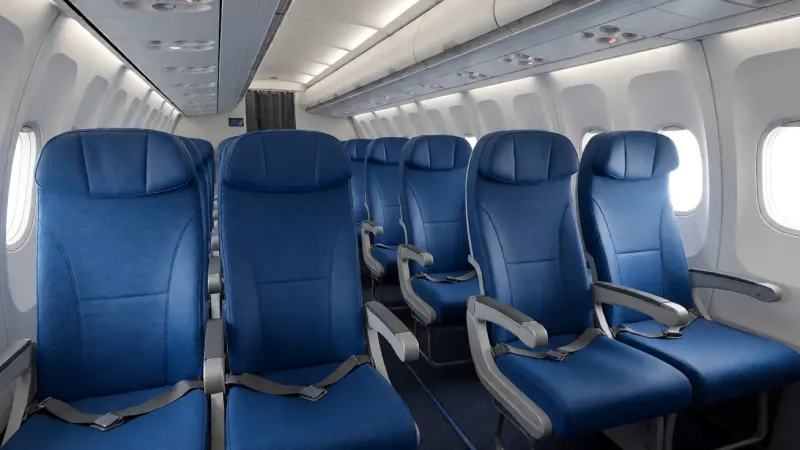
It’s not your imagination: airplane seats are getting smaller and closer together. In an effort to maximize revenue, airlines have reduced “seat pitch”—the distance between your seat and the one in front of it—to cram more rows onto each aircraft. This relentless pursuit of passenger density has made economy class an uncomfortable experience for many.
The focus has shifted from passenger comfort to maximizing revenue per square foot of cabin space. This leaves travelers with less legroom, narrower seats, and an overall feeling of being packed in, turning flights into an endurance test rather than a pleasant journey.
Customer Service on Life Support
When things go wrong, getting help can be a frustrating ordeal. Long hold times for call centers and overwhelmed gate agents are common complaints. Airline employees are often overworked, understaffed, and lack the authority to provide meaningful solutions to passenger problems.
This erosion of customer service quality means that during a delay or cancellation, passengers are frequently left to fend for themselves, struggling to rebook flights or get information. The result is a travel experience where customers feel unheard and undervalued.
Comparing the Titans: A Look at Major US Carriers
While the entire industry faces challenges, performance varies between airlines. Understanding these differences can help you make more informed choices. The table below provides a snapshot of key performance and service metrics for the four largest US carriers based on recent data.
| Metric | American Airlines | Delta Air Lines | United Airlines | Southwest Airlines |
|---|---|---|---|---|
| On-Time Arrival % (2024) | 78.2% | 83.5% | 80.9% | 75.6% |
| Cancellations % (2024) | 1.8% | 1.2% | 1.7% | 2.1% |
| Customer Satisfaction (J.D. Power 2025 Economy) | Ranked in bottom five | Top 3 Ranking | Average | Highest Ranking |
| Standard Checked Bag Fee (1st Bag) | $35 – $40 | $35 | $35 – $40 | $0 (2 bags free) |
| Mishandled Bags (per 1,000) | 8.7 | 5.9 | 7.2 | 4.3 |
The Solution: How to Navigate the Broken System and Fly Smarter
While you cannot single-handedly fix the airline industry, you can adopt strategies to significantly improve your travel experience. Being a proactive and informed passenger is your best defense against the system’s inherent flaws.
Strategic Booking: Your First Line of Defense
How and when you book can make a world of difference. To minimize your risk of delays, book the first flight of the day. These flights are less likely to be affected by the cascading delays that build up as the day progresses. Flying on off-peak days, such as Tuesdays, Wednesdays, and Saturdays, often means cheaper fares and less crowded airports.
Expand your search beyond the major aggregators. Some budget carriers and international airlines do not list their fares everywhere. By checking for airlines not on Google Flights, you might uncover hidden deals and better travel options that others miss.
Mastering Your Rights and Getting Compensation
Know your rights as a passenger. The U.S. Department of Transportation (DOT) has rules governing compensation. If a flight is significantly delayed or canceled for a reason within the airline’s control (like maintenance or crew issues), you are entitled to a full refund if you choose not to travel.
Airlines must provide automatic refunds within seven days for credit card purchases if the flight is canceled or significantly delayed and you decline alternative transportation. For issues like overnight delays caused by the airline, check the DOT’s Airline Customer Service Dashboard to see what each carrier has committed to providing for meals, hotels, and transportation.
Rethinking Your Strategy: Alternatives and Unconventional Tips
Think outside the box to avoid major travel headaches. Consider flying into or out of smaller, secondary airports, which are often less congested and more efficient than massive international hubs. For shorter distances, high-speed rail, where available, can be a more reliable and comfortable alternative to flying.
Some frustrated travelers even resort to high-risk, unconventional booking methods. While strategies like getting off at your layover city exist, they violate airline policies and can result in canceled return tickets or loss of frequent flyer miles. It is crucial to understand the significant risks before considering such tactics.
The Future of US Air Travel: Any Hope on the Horizon?
Change in the aviation industry is typically slow and incremental. However, there are some potential bright spots. Increased regulatory scrutiny from the DOT aims to enhance transparency, particularly regarding ancillary fees and family seating policies, which could curb some of the most frustrating practices.
Technological advancements in air traffic management, such as the NextGen system, promise to eventually improve efficiency and reduce delays, although full implementation is still years away. In the meantime, the most powerful tool for change remains consumer awareness. As passengers become more informed about their rights and strategic in their choices, they can better navigate the system and advocate for a better travel experience.
Ultimately, while the reasons US airlines struggle with service are deeply rooted in economic and operational realities, you are not powerless. By booking smarter, knowing your rights, and preparing for contingencies, you can reclaim a measure of control and make your journey as smooth as possible.