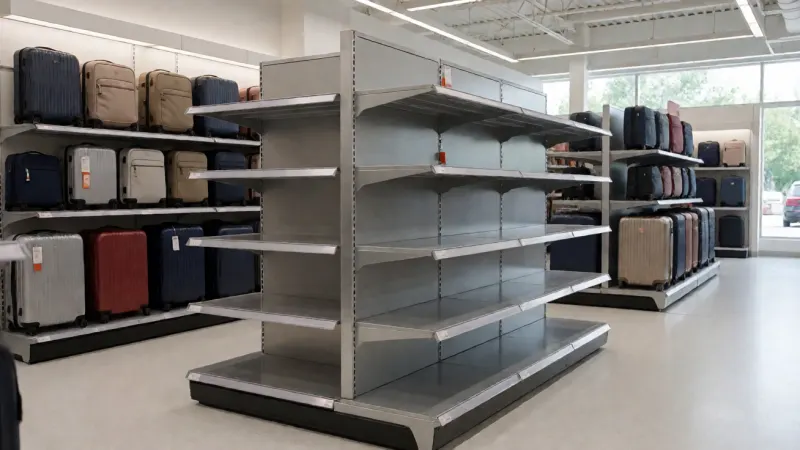
You have a trip planned. The flights are booked, the itinerary is set, but a crucial component is missing: a new suitcase. You head to the store, confident you’ll find what you need, only to be met with rows of empty shelves. An online search yields a sea of “out of stock” notices and inflated prices. This isn’t just bad luck; it’s a global reality. The great luggage shortage is a frustrating and widespread problem, leaving countless travelers scrambling for solutions.
This widespread scarcity isn’t a simple issue of a popular brand selling out. It’s the result of a complex global storm of manufacturing bottlenecks, unprecedented consumer behavior, and economic pressures. Understanding these factors is the first step to navigating the challenge and ensuring you’re not left carrying your belongings in a duffel bag from 1998, unless you want to. This guide will unpack the reasons behind the luggage shortage and provide a clear, actionable plan to find the travel gear you need.
The Perfect Storm: Unpacking the Causes of the Great Luggage Shortage
The empty shelves in the luggage aisle are a symptom of a much larger global issue. A confluence of events has created a perfect storm, crippling the industry’s ability to keep pace with a world eager to travel again. From the factory floor to the shipping port, the entire supply chain has been stretched to its breaking point.
Supply Chain Whiplash and Manufacturing Hurdles
The heart of the problem lies in a severe and prolonged disruption to the global supply chain. The majority of the world’s luggage is manufactured in Asia, a region that faced some of the most stringent and lengthy pandemic-related lockdowns. These intermittent factory shutdowns created a massive backlog in production that the industry is still struggling to clear. Even as factories reopened, they faced persistent labor shortages and difficulties in sourcing essential raw materials.
Modern luggage relies on a specific cocktail of materials, including polycarbonate for hardshell cases, high-density nylon for soft-shell bags, and aircraft-grade aluminum for handles and frames. The production and processing of these materials were also hampered, creating a domino effect that ultimately stopped luggage from being made. The journey from raw material to finished product has become a slow, unpredictable, and expensive process.
The Unprecedented Surge in “Revenge Travel”
While supply was plummeting, demand was skyrocketing. The world emerged from years of restrictions with a pent-up desire to explore, leading to a phenomenon known as “revenge travel.” This explosion in tourism created a sudden and massive need for new travel gear. Millions of travelers simultaneously decided their old, dusty suitcases needed an upgrade, or they were embarking on new types of journeys that required different kinds of bags.
This demand surge wasn’t just a small uptick; it was a tidal wave that manufacturers and retailers were completely unprepared for. The existing inventory, already depleted from the lack of production, was wiped out almost overnight. The industry simply could not produce new luggage fast enough to meet the voracious appetite of a travel-starved public, creating the widespread shortages we see today.
A Shift in Traveler Priorities and Product Design
The modern traveler is more discerning than ever, and their preferences have shifted. There is a growing demand for luggage that is not just a box on wheels, but a sophisticated travel tool. Features like lightweight construction, ultra-durable materials, and integrated smart technology like GPS trackers and USB charging ports are now high on the list of must-haves. These advanced designs require specialized components, including semiconductor chips, which are themselves subject to a global shortage.
Furthermore, as travelers become increasingly frustrated with airline performance, many are trying to avoid checking bags altogether. This has created a specific and intense demand for high-capacity, feature-rich carry-on luggage. The desire to keep belongings close and avoid the chaos of baggage claim is a direct response to issues plaguing the airline industry, a topic that highlights exactly why US airlines are so bad for many travelers. This laser focus on one specific category of luggage has made finding the perfect carry-on an especially difficult task.
The Invisible Impact of Corporate and Bulk Orders
One aspect of the shortage that often goes undiscussed is the role of the B2B market. As business travel resumed, corporations placed huge bulk orders for branded luggage for their employees and as corporate gifts. Similarly, loyalty programs and credit card companies often use high-end luggage sets as premium redemption items. These large-scale orders divert a significant portion of the available stock before it ever has a chance to reach consumer retail channels.
This behind-the-scenes demand puts an additional strain on an already limited supply. While individual consumers are searching store to store, large corporations are reserving thousands of units directly from manufacturers. This practice effectively removes a substantial amount of inventory from the open market, making the search for a single suitcase even more competitive for the average person.
Navigating the Shortage: Your Action Plan for Finding the Perfect Bag
Facing a shortage doesn’t mean your travel plans have to be put on hold. It simply requires a more strategic and creative approach to finding what you need. By expanding your search, considering alternatives, and taking care of what you already own, you can successfully bypass the empty shelves and travel with confidence.
Think Outside the Big Box: Where to Look for Luggage Now
Your first instinct might be to check major department stores or big-box retailers, but these are often the hardest hit by supply issues. To find hidden gems, you need to explore unconventional options. Start with smaller, independent luggage and leather goods stores in your area. These businesses often have long-standing relationships with suppliers and may have access to stock that larger chains don’t.
Don’t overlook the secondary market. Thrift stores, high-end consignment shops, and online platforms like Facebook Marketplace or Poshmark can be goldmines for high-quality, pre-owned luggage. Vintage suitcases from brands known for their durability can often be found in excellent condition for a fraction of the price of a new one. Finally, go directly to the source. Many luggage brands sell directly to consumers through their own websites and may have reserved inventory not available through third-party retailers.
A Comparative Look at Luggage Options
When you do find luggage in stock, it’s crucial to know what you’re looking for. The right type of bag depends entirely on your travel style and needs. Understanding the fundamental differences can help you make a smart, swift decision when an opportunity arises.
| Luggage Type | Primary Material | Pros | Cons | Best For |
|---|---|---|---|---|
| Hardshell Spinner | Polycarbonate, ABS Plastic | Excellent protection for fragile items; easy to maneuver; water-resistant. | Can crack under extreme impact; shells don’t expand; can scuff easily. | Business travel, protecting electronics, and general resort vacations. |
| Softshell Roller | Ballistic Nylon, Cordura | More flexible; often lighter; external pockets for easy access. | Less protection for contents; can be easier to rip or stain. | Over-packers, family travel, and trips requiring versatile packing. |
| Travel Backpack | Ripstop Nylon, Polyester | Hands-free mobility; navigates crowds and stairs easily; very versatile. | Can strain your back if overpacked; less formal appearance. | Backpacking, adventure travel, and trips with multiple transit points. |
| Duffel Bag on Wheels | Canvas, Polyester | Large, unstructured capacity; lightweight; easy to store when empty. | Minimal organization; offers little protection for contents. | Transporting sports gear, long-term casual travel, road trips. |
The Art of the Alternative: Rethinking How You Pack
If the hunt for a new suitcase becomes too challenging, consider whether you need one at all. A growing number of services offer innovative alternatives that can eliminate the need for personal luggage entirely. Companies like Luggage Forward allow you to ship your belongings directly to your destination, whether it’s a hotel, cruise ship, or vacation rental. This not only solves the shortage problem but also allows you to travel through the airport completely unencumbered.
Another strategy is to maximize the space you already have. Invest in a high-quality set of packing cubes and compression bags. These tools allow you to organize your belongings efficiently and significantly reduce their volume, often making it possible to fit everything into a smaller, existing carry-on. This approach forces a more minimalist packing style, which can be a rewarding travel discipline in itself. Perhaps that newfound space is just what you need to plan for a truly unique journey, like a culinary pilgrimage to a storied place like the Le Chambard Hotel Bourdain room.
Repair, Don’t Replace: Giving Your Old Luggage New Life
Before you give up on your trusty old suitcase, consider giving it a second chance. Many common luggage ailments, such as broken wheels, stuck zippers, or damaged handles, are surprisingly easy to fix. Many luggage manufacturers sell replacement parts directly on their websites, and a quick search can yield dozens of DIY video tutorials for common repairs. This is a highly sustainable and cost-effective approach.
For more complex issues, seek out a local luggage repair shop. These skilled artisans can often work wonders, restoring your bag to full functionality for a fraction of the cost of a new one. Investing in a repair not only saves you money and the stress of searching for a new bag but also promotes a more sustainable mindset, reducing waste and honoring the craftsmanship of a well-made product. It’s a practical solution that prepares you for any adventure, whether it’s an international flight or a local trip to witness something incredible like the bioluminescence in Manasquan, New Jersey.
The Future of Luggage: What to Expect in 2025 and Beyond
The luggage industry is at a crossroads, forced by the current crisis to innovate and adapt. We are likely to see significant changes in the coming years as manufacturers and brands work to build a more resilient and responsive supply chain. One of the key trends will be a move towards reshoring or near-shoring manufacturing. This means moving production facilities closer to their primary markets in North America and Europe to reduce reliance on a single region and mitigate the risks of future shutdowns and shipping delays.
Sustainability will also become a central focus. Consumers are increasingly demanding products that are not only durable but also environmentally friendly. Expect to see a rise in luggage made from recycled and sustainable materials, as well as brands that emphasize modular designs and repairability to extend the life of their products. The integration of smart technology will continue to evolve, moving beyond simple charging ports to include more sophisticated tracking and digital lock features. While prices may remain elevated in the short term, these innovations promise a future of more resilient, responsible, and technologically advanced travel gear.
Conclusion: Traveling Smarter in a Post-Shortage World
The great luggage shortage has undoubtedly added a layer of stress to travel planning. It’s a complex problem born from a collision of global supply chain failures and a powerful, renewed human desire to connect and explore. However, it also presents an opportunity to become a more resourceful and conscious traveler. By thinking creatively, expanding your search beyond traditional retailers, embracing alternatives like shipping services, and valuing the repair of what you already own, you can successfully navigate this challenge.
This period of scarcity is forcing a positive shift, encouraging us to pack more thoughtfully and invest in quality and longevity over disposable convenience. The suitcase you find may not be the one you initially envisioned, but the resourcefulness you gain in the process will make you a savvier traveler for years to come. Ultimately, the journey is not defined by the bag you carry, but by the experiences you gather along the way.