You’ve found the perfect hotel, but a nagging question stops you from clicking “confirm”: could you get a better deal? In the crowded world of online travel agencies (OTAs), Hopper emerges with a bold promise: to predict future hotel prices and save you money. But with flashy deals and a gamified interface, it’s hard to know if it’s a travel-hacking tool or a booking trap.
The core problem for travelers is a lack of trust and clarity. You want the lowest price without sacrificing reliability or getting hit with hidden fees. This article cuts through the noise to provide an unfiltered look at whether Hopper is truly good for hotels, helping you decide if this popular app deserves a place in your travel toolkit.
What is Hopper and How Does It Actually Work for Hotels?
Hopper is a mobile-only travel booking app that uses predictive analytics to forecast the future prices of flights and hotels. Its primary goal is to tell you the optimal time to book. For hotels, the app displays a color-coded calendar, indicating price trends to help you choose the most affordable dates for your stay.
Beyond price predictions, Hopper has built an ecosystem of fintech products that set it apart. These features are designed to reduce the anxiety of booking travel by offering flexibility and price protection, often for a fee. Understanding these tools is crucial to understanding Hopper’s real value.
Key Features: Decoding the Hopper Toolkit
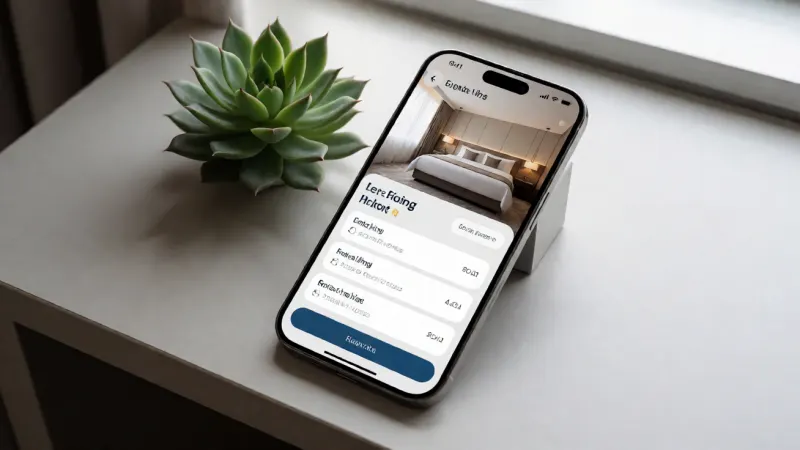
Hopper’s hotel booking experience revolves around a few signature features. The Price Freeze tool allows you to lock in a hotel rate for a fee. If the price goes up, Hopper covers the difference up to a certain limit; if it drops, you pay the lower price. This is appealing for travelers who find a good rate but aren’t ready to commit immediately.
The app also heavily promotes its rewards program, “Carrot Cash.” This is essentially a credit system where you earn rewards on bookings that can be applied to future travel within the app. While it sounds like a great deal, the usability of Carrot Cash can be restrictive, functioning more as a tool to ensure you keep booking within the Hopper ecosystem.
The Great Debate: Hopper’s Hotel Prices vs. The Competition
Are Hopper’s hotel prices genuinely lower? The answer is complex. Hopper’s business model relies on partnerships with various travel suppliers and wholesalers. This allows them to sometimes access rates that are not publicly available on searchable websites, as hotels prefer to keep discounted rates exclusive to closed platforms like an app.
However, this doesn’t always translate to the lowest price. The final cost on Hopper can be influenced by their “dynamic markup” and other service fees. It is always wise to cross-reference the final price with booking directly through the hotel or checking other major OTAs before making a final decision.
The Hidden Layer: Hopper’s Third-Party Suppliers
A critical point many users overlook is that Hopper often acts as an intermediary for other third-party suppliers. When you book a hotel, the reservation may be fulfilled by another large travel company. This creates a layer between you and the hotel that can become a significant problem if issues arise.
If you need to make a change, request a refund, or resolve a booking error, you must go through Hopper’s customer service. They, in turn, must coordinate with their supplier, who then coordinates with the hotel. This convoluted communication chain is a primary source of the negative customer service reviews that plague the platform.
User Pain Points: What Real Travelers Complain About
While the app’s interface is slick and the price predictions are alluring, a deep dive into user reviews reveals significant and recurring problems. The most prominent complaint is overwhelmingly poor and inaccessible customer service. Travelers report extreme difficulty reaching a human representative, with support often limited to a slow-moving in-app chat.
Other common issues include problems with non-refundable bookings, where even their “Cancel for Any Reason” add-on comes with fine print that can be difficult to navigate. Users have also reported arriving at a hotel only to find their reservation doesn’t exist or the room type they booked is unavailable—complications often stemming from the third-party supplier system.
For example, imagine you’re planning a dream trip to Italy. After carefully choosing your base by reading a detailed comparison of Trastevere vs Monti, you turn to Hopper to book a hotel, only to face a reservation issue upon arrival. This is the kind of travel nightmare that robust customer support is meant to prevent.
The Ultimate Checklist: When to Use Hopper for Hotels
Despite its flaws, Hopper isn’t without its merits. The app can be a powerful tool for a specific type of traveler in certain situations. It’s not a one-size-fits-all solution, but a specialized instrument for scoring deals if you understand its limitations and know how to use it effectively.
Deciding whether to trust Hopper with your hotel booking depends on your travel style, risk tolerance, and the complexity of your trip. For a simple, non-refundable one-night stay, the potential savings might be worth it. For a multi-week, high-stakes international vacation, the risks associated with its customer service model may outweigh the benefits.
Use Hopper For Hotels If:
- You are highly flexible with your plans. If your dates and even your destination are not set in stone, Hopper’s price prediction and color-coded calendar can help you find the absolute cheapest time to travel.
- The booking is straightforward and low-risk. A simple overnight stay in a domestic city where you’re unlikely to need changes is a lower-risk scenario.
- You are booking far in advance and want price protection. For those who plan months ahead, the Price Freeze feature can offer peace of mind against rising rates.
- You understand the app’s ecosystem. Savvy users who have read the terms and know how to leverage Carrot Cash and special promotions can extract real value.
Consider Alternatives If:
- You anticipate needing customer support. If you’re coordinating a complex trip or traveling with family, the potential for needing to speak with a human agent is high. In this case, booking directly or with an OTA known for strong support is safer.
- The trip is expensive or a once-in-a-lifetime event. For honeymoons, anniversaries, or major international travel, the peace of mind that comes with a direct booking is invaluable.
- You found the same price (or very close) elsewhere. If a hotel’s own website offers a similar rate, book direct. This gives you a direct line of communication and often comes with loyalty benefits.
Maximizing Savings: A Step-by-Step Guide to Booking on Hopper
If you’ve decided Hopper is the right choice for your trip, using it strategically can help you secure the best deals while minimizing potential risks. It’s not just about finding a low price; it’s about making an informed booking. Follow these steps to navigate the app like a pro and make the most of its features.
Start by setting up a “watch” for your desired hotel and dates well in advance. This allows Hopper’s algorithm to monitor price trends for you and send notifications. This patient approach is often where the best savings are found, rather than booking impulsively.
Strategic Booking on Hopper
1. Watch, Don’t Just Search: Instead of just searching, use the “Watch This Trip” feature. This will trigger notifications, telling you whether to wait or book now, based on their predictive data.
2. Evaluate Add-Ons Carefully: Hopper will offer numerous add-ons at checkout, like Price Freeze, Cancel for Any Reason, or room upgrades. Read the terms for each. The Price Freeze can be valuable, but understand the service fee is non-refundable.
3. Cross-Reference Everything: Before paying the non-refundable fee for a Price Freeze or making the final booking, take five minutes to check the hotel’s official website and one other major OTA. Make sure Hopper’s “deal” is genuinely a deal after all fees are included.
4. Document Your Booking: Once you book, take screenshots of your confirmation screen, the stated cancellation policy, and the room type details. This documentation can be invaluable if a dispute arises later.
Hopper Hotel Alternatives: When to Look Elsewhere
Hopper exists in a competitive landscape, and it’s rarely the only option. Understanding the strengths of its competitors can help you make a more informed decision. The right platform for you depends on what you value most—be it price, service, or loyalty rewards.
The most powerful alternative is often the simplest: booking directly with the hotel. This eliminates the middleman, ensuring you have direct recourse if something goes wrong. Hotels often price-match and may offer perks like free Wi-Fi, breakfast, or room upgrades to direct bookers. While Hopper’s performance on flights is another topic, as explored in the Hopper vs Google Flights comparison, the direct-booking advantage for hotels is significant.
Comparing Your Hotel Booking Options
To make the best choice, it’s helpful to see how Hopper stacks up against other common booking methods. Each has its unique advantages and disadvantages. The stability of the travel tech world is also a factor; the sudden disruption when The Clymb shut down serves as a reminder that booking with established, reliable companies has its own inherent value.
| Booking Method | Primary Advantage | Key Disadvantage | Best For |
|---|---|---|---|
| Hopper | Price prediction and Price Freeze features. | Poor customer service and third-party risks. | Flexible travelers looking for deals on low-risk bookings. |
| Direct with Hotel | Best customer service, potential perks, and loyalty points. | May not always have the absolute lowest price upfront. | Travelers who value reliability and direct communication. |
| Major OTAs (e.g., Booking.com, Expedia) | Vast selection, package deals, and established loyalty programs. | Customer service can still be a middleman issue. | One-stop shoppers booking flights, cars, and hotels together. |
| Google Hotels | Excellent price comparison across multiple sites at once. | It’s a search aggregator, not a booking site (it redirects you). | Travelers who want to ensure they’ve seen all available prices. |
The Verdict: Is Hopper a Trustworthy Choice for Your Next Hotel Stay?
So, is Hopper good for hotels? The answer is a qualified yes, but with significant caveats. Hopper is best viewed not as a traditional booking site, but as a travel fintech company that offers unique tools for managing price volatility. Its strengths lie in its predictive technology and features like Price Freeze, which can offer real savings to flexible, tech-savvy travelers.
However, the platform’s heavy reliance on third-party suppliers and its notoriously poor customer service infrastructure make it a risky choice for important, expensive, or complex trips. The potential savings may not be worth the headache if your plans change or something goes wrong. For travelers who prioritize reliability and service, booking direct or using a more established OTA remains the superior and safer choice.