Staring at a wall of suitcases, with prices ranging from less than a dinner out to more than a mortgage payment, is a uniquely modern form of travel anxiety. Pick the wrong one, and you could be dragging a three-wheeled disaster across a cobblestone street or, worse, watching your belongings spill onto the baggage carousel. The core problem isn’t just the price; it’s the paralyzing fear of making the wrong investment.
This decision paralysis stems from a marketplace flooded with options at wildly different price points. You’ll find sub-$100 bags promising durability alongside $1,000+ luxury cases that seem to offer the same basic function. This guide will demystify the numbers, break down what you truly get for your money, and provide a clear framework to help you choose the right luggage for your budget and travel style.
The Hidden Costs of “Saving” Money on Cheap Luggage
Opting for a bargain-basement suitcase often feels like a savvy move, but it can be a costly mistake in the long run. The initial savings can quickly be erased by the frustrating reality of poor construction. These hidden costs aren’t just financial; they add significant stress to your journey.
Budget luggage is frequently made from lower-grade materials like ABS plastic or basic polyester, which lack the resilience of their premium counterparts. This can lead to cracked shells, torn fabric, and broken zippers after only a few trips. A catastrophic failure mid-trip might force you into an expensive last-minute replacement at an airport shop, negating any initial savings.
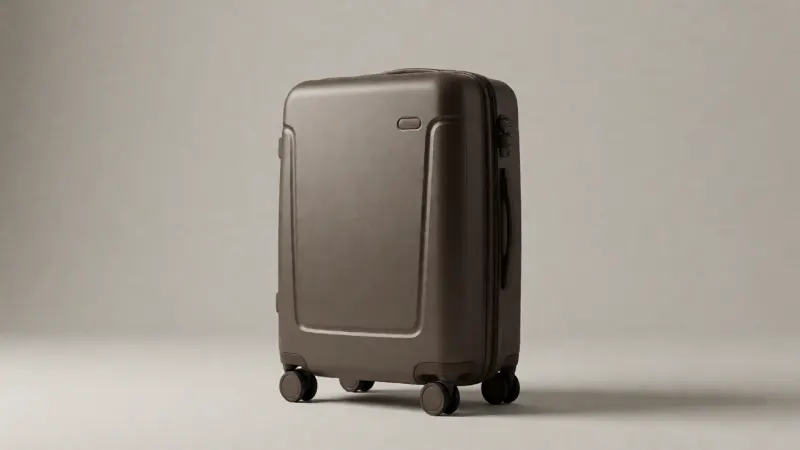
Beyond the risk of total failure, cheap suitcases often come with subpar components. Flimsy, wobbly wheels and rickety handles make navigating an airport a frustrating chore. The true cost of cheap luggage isn’t just what you pay at the register, but the potential for replacement costs, inconvenience, and the added stress that can sour a travel experience.
Breaking Down the Luggage Price Tiers: What Your Money Really Buys
Understanding the luggage market is easier when you break it down into distinct price tiers. Each level offers a different balance of durability, features, and longevity. Knowing what to expect from each category is the key to aligning your spending with your actual travel needs.
The Budget Tier: Under $150
This is the entry-level category, perfect for the occasional traveler or someone on a strict budget. Luggage in this range is typically functional but makes compromises on materials and long-term durability. Expect shells made of ABS plastic, which is less impact-resistant than polycarbonate, or basic polyester fabrics.
Wheels are often single-spinner and handles may feel less sturdy. While you can find some solid options for one or two trips a year, these bags aren’t built for the rigors of frequent travel. For a traveler exploring different accommodations, knowing how much are hostels can help allocate more of the budget towards a slightly better bag.
The Mid-Range Sweet Spot: $150 – $400
For most travelers, this tier offers the best combination of price, performance, and durability. Here, you’ll find suitcases made from more robust materials like 100% polycarbonate for hardshells or high-denier ballistic nylon for softshells. These materials offer significantly better resistance to cracking and tearing.
Features become more refined, with smooth-rolling dual-spinner wheels, sturdy telescoping handles, and higher-quality zippers. Brands in this space often provide better warranties, covering manufacturing defects for several years. This is the ideal price point for those who travel a few times a year and want a reliable companion that won’t fail them.
The Premium & Luxury Tier: $400+
Reserved for frequent flyers, business travelers, and those who view luggage as a long-term investment, this tier is defined by superior materials, craftsmanship, and exceptional warranties. Suitcases in this category often feature materials like aluminum or advanced polycarbonate composites, offering maximum protection.
The biggest differentiator, however, is often the warranty. Brands like Briggs & Riley offer lifetime guarantees that even cover airline damage, meaning it could be the last suitcase you ever buy. When comparing top-tier brands, you might find yourself in an Open Story vs Away Luggage debate, where brand reputation and warranty are key deciding factors.
Key Factors That Should Determine Your Luggage Budget
Rather than focusing solely on the price tag, a smarter approach is to calculate the cost-per-trip. A $300 suitcase used for 30 trips costs just $10 per trip, while a $100 bag that breaks after five trips costs $20 per trip. This mindset shifts the focus from a one-time expense to a long-term investment in your travel experience.
Your Travel Frequency: The Ultimate Decider
The single most important factor in your budget is how often you travel. An infrequent traveler taking one annual vacation has vastly different needs from a consultant who flies twice a month. The more you travel, the more you should be willing to invest in durability and a comprehensive warranty.
Occasional Traveler (1-2 trips per year): A suitcase in the budget to lower-mid range ($100-$200) is often sufficient. The wear and tear will be minimal, so you don’t need to pay a premium for materials designed to withstand weekly abuse.
Regular Traveler (3-6 trips per year): The mid-range is your sweet spot ($150-$400). You need a bag that can reliably handle airport carousels and changing environments. Focus on quality wheels, durable materials like polycarbonate, and a solid warranty.
Frequent Flyer (7+ trips per year): Investing in the premium tier ($400+) is a wise financial decision. The cost-per-trip will be low over the lifespan of the bag, and a lifetime warranty covering airline damage provides invaluable peace of mind.
Type of Travel: Business vs. Leisure vs. Adventure
The nature of your trips also dictates your needs. A business traveler may prioritize a sleek, professional look and organizational features for suits and electronics. A leisure traveler heading on a family vacation might need a large, expandable case, while an adventure traveler requires something rugged and weather-resistant.
Consider the surfaces you’ll be navigating. Smooth airport floors are forgiving, but cobblestone streets or unpaved paths demand robust, high-quality wheels. If your travels are causing you anxiety, it might be more than just your luggage; sometimes people feel depressed before vacation due to the stress of planning.
Warranty and Customer Service: The Overlooked Value
A great warranty is one of the most valuable features of a suitcase, yet it’s often overlooked. Most limited warranties cover only manufacturing defects, which are rare. The real value lies in unconditional or lifetime warranties that cover damage caused by airlines.
A broken wheel or handle can render a suitcase useless. A brand with a strong warranty will repair or replace your bag, saving you from having to buy a new one. This peace of mind is a significant factor that justifies a higher upfront cost for frequent travelers.
The Durability Myth: Is Expensive Always Better?
While there is a strong correlation between price and quality, spending more doesn’t automatically guarantee a better suitcase. The market has shifted, and today’s definition of “luxury” is more about performance and reliability than just a brand logo. Materials science has advanced, allowing mid-range brands to offer impressive durability.
The key is to look past the brand name and focus on the specifications. A mid-range suitcase made from 100% polycarbonate is likely to be more durable than a luxury-branded case made from a less resilient ABS composite. Pay attention to the tangible features—wheel quality, handle stability, zipper construction, and the specifics of the warranty—rather than assuming a higher price tag equals a longer life.
| Price Tier | Typical Price Range | Common Materials | Best For | Key Feature |
|---|---|---|---|---|
| Budget | $50 – $150 | ABS Plastic, Polyester | Occasional travelers (1-2 trips/year) | Low upfront cost |
| Mid-Range | $150 – $400 | Polycarbonate, Ballistic Nylon | Regular travelers (3-6 trips/year) | Best balance of durability and value |
| Premium/Luxury | $400+ | Aluminum, Polycarbonate Composites | Frequent flyers (7+ trips/year) | Lifetime warranty & superior components |
Final Verdict: How Much Should You *Actually* Spend?
There is no single magic number for the perfect luggage budget. The right amount to spend is entirely dependent on your personal travel habits and financial situation. Instead of asking “how much should I spend,” the better question is “what level of durability and peace of mind do I need?”
For the vast majority of people, the $150 to $400 mid-range tier represents the sweet spot. It provides a significant upgrade in material quality, component reliability, and warranty coverage over the budget tier without the steep investment of luxury brands. This range delivers the best cost-per-trip value for anyone who travels more than once or twice a year, ensuring your focus remains on the journey, not on whether your luggage will survive it.