Once a giant in the digital travel space, the Triposo app was a trusted companion for millions of adventurers worldwide. Its all-in-one city guides, offline maps, and smart recommendations made it an essential tool. However, as the digital landscape evolves, apps can become outdated or cease to exist altogether, which is precisely what happened to Triposo after it was acquired and eventually shut down.
This leaves a significant void for travelers who relied on its comprehensive, offline-first approach. The problem isn’t just about replacing one app; it’s about finding a new, reliable system to plan, navigate, and enhance our journeys in a world that is more connected than ever, yet still has moments where a data signal is a luxury. The modern traveler needs a robust digital toolkit that is actively maintained, feature-rich, and dependable when off the grid.
Why the Quest for a Triposo Successor Is More Urgent Than Ever
The digital age promised a seamless travel experience, yet many find themselves juggling a dozen different apps for a single trip. One app for flights, another for hotels, a third for maps, a fourth for recommendations, and yet another for managing expenses. This fragmentation is precisely the problem that Triposo aimed to solve.
The core of the issue lies in finding an application that doesn’t just offer features but delivers them reliably, especially offline. Travelers exploring remote landscapes or navigating dense urban centers in foreign countries cannot risk an app failing due to a poor internet connection. Therefore, the search for alternatives is a quest for confidence, reliability, and seamless integration.
The Non-Negotiable Features for a Modern Travel App
Before diving into specific alternatives, it’s crucial to establish the benchmark. Any worthy successor to Triposo must excel in several key areas. These are the foundational pillars of a truly great travel companion app.
Firstly, powerful offline maps and navigation are paramount. This feature saves travelers from exorbitant data roaming charges and is a lifeline in areas with spotty or nonexistent connectivity. Secondly, the app must provide high-quality, curated content, including city guides, points of interest, and local secrets that go beyond generic tourist traps. Finally, intuitive itinerary planning and organization tools are essential to keep track of bookings, schedules, and personal notes in one centralized location.
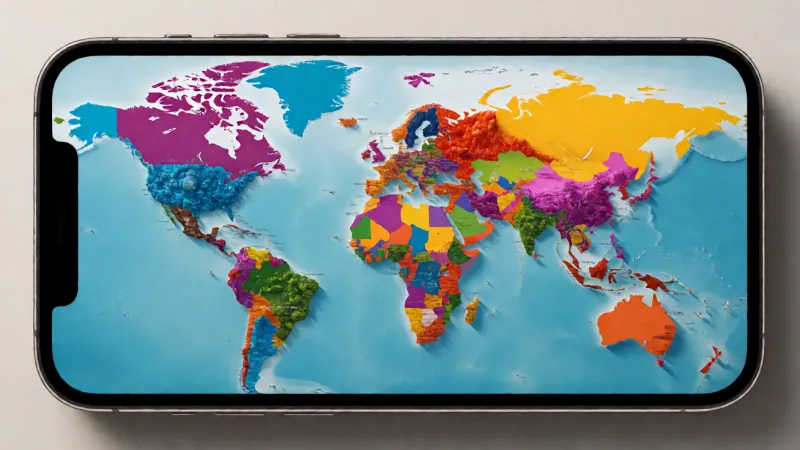
The Best Triposo App Alternatives for Today’s Traveler
The good news is that while Triposo has left the stage, a new generation of powerful travel apps has risen to take its place. Some excel at one specific function, while others attempt to be the all-in-one solution you’ve been looking for. Here’s a breakdown of the top contenders.
Wanderlog: The Collaborative Planning Powerhouse
Wanderlog has quickly become a favorite for those who travel in groups or love a highly visual and collaborative planning process. Its strength lies in its interactive map-based interface, where you can plot your entire trip, optimize your route, and see everything laid out geographically. Unlike more rigid planners, Wanderlog feels flexible and is built for discovery.
It allows you to import flight and hotel confirmations, add notes, and collaborate with travel companions in real-time, much like a Google Doc for travel. While its free version is incredibly robust, a premium subscription unlocks offline access to your plans and maps, making it a true Triposo competitor for on-the-go access.
TripIt: The Master of Itinerary Automation
For the traveler who values automation and organization above all else, TripIt remains the undisputed champion. Its core function is simple yet brilliant: you forward your booking confirmation emails (flights, hotels, car rentals, etc.) to a specific address, and TripIt automatically compiles them into a master itinerary. This chronological timeline is accessible offline and keeps all your vital confirmation numbers and details in one place.
Where TripIt differs from Wanderlog is in its focus; it is less of a discovery and planning tool and more of an organizational powerhouse. For frequent business travelers or anyone juggling complex, multi-leg journeys, the simplicity of its automated system is invaluable. The pro version adds real-time flight alerts and other useful features.
Google Maps: The Ubiquitous, Ever-Improving Default
No list of navigation apps would be complete without Google Maps. It has evolved far beyond simple driving directions. Its offline map feature is now highly reliable, allowing you to download large areas for navigation, search, and exploration without an internet connection. What makes it a surprisingly strong Triposo alternative is the ability to create and save lists of places, star locations, and build a personalized map of your destination.
By saving points of interest, restaurants, and your hotel, you can effectively create a custom, offline travel guide. While it lacks the curated, article-style content of other apps, its sheer depth of data—from business hours to user reviews—is unmatched. For many, a combination of Google Maps for navigation and another app for planning creates the perfect digital toolkit.
MAPS.ME: The Champion of Offline Detailing
For the ultimate adventurer who ventures far off the beaten path, MAPS.ME is often the top choice. Built on OpenStreetMap data, it frequently offers more detailed trail paths, rural roads, and points of interest in remote areas than its competitors. Its core strength is its offline-first design; you download entire countries or regions, and every feature, from search to turn-by-turn navigation, works flawlessly without a connection.
While it lacks the itinerary management of TripIt or Wanderlog, its mapping and navigation capabilities are second to none for those prioritizing offline reliability above all else. It’s an essential tool for hikers, backpackers, and road trippers exploring less-developed regions.
Culture Trip: The Guide for Authentic Experiences
If your primary reason for using Triposo was its rich, article-based city guides, then Culture Trip is the modern successor you need. This app focuses on high-quality, curated content written by local experts, helping you uncover the authentic culture of a destination. It’s less about managing logistics and more about inspiration and discovery.
You can find unique recommendations for restaurants, bars, and attractions that you won’t see on every other tourist blog. The ability to save articles and create wishlists helps in the planning phase. While its offline capabilities are more limited to saved content, it serves as an excellent research tool before your trip and a source of inspiration when you arrive.
Feature Comparison of Top Triposo Alternatives
Choosing the right app depends heavily on your personal travel style. Are you a meticulous planner, a spontaneous explorer, a business traveler, or a backpacker? The table below provides a quick comparison to help you decide which tool best fits your needs.
| App Name | Best For | Key Offline Feature | Pricing Model |
|---|---|---|---|
| Wanderlog | Group & Visual Planners | Full Itinerary & Map Access (Pro) | Freemium |
| TripIt | Frequent & Business Travelers | Master Itinerary Access (Free) | Freemium |
| Google Maps | All-Around Navigation | Downloadable Maps & Search (Free) | Free |
| MAPS.ME | Off-Grid Adventurers | Full Country Downloads & Navigation (Free) | Free (Ad-supported) |
| Culture Trip | Cultural Exploration | Saved Articles & Wishlists (Free) | Free |
Building Your Modern Digital Travel Toolkit
The truth is, a single app may not perfectly replicate everything Triposo offered. The smartest approach is to build a small, curated toolkit of apps that work together to create a seamless experience. For instance, you could use TripIt to automatically organize all your bookings and get flight alerts.
Simultaneously, use Wanderlog to collaboratively plan your daily activities with travel partners. Finally, rely on Google Maps or MAPS.ME for robust offline navigation once you’re on the ground. This multi-app strategy ensures you have the best tool for each specific task, from logistical organization to in-the-moment discovery.
The Human Element and Data Privacy
While these apps are incredibly powerful, they are still just tools. It is important not to lose the human element of travel. Use an app to find a highly-rated neighborhood, but then put the phone away and wander. Ask a local for a recommendation instead of solely relying on online reviews.
Furthermore, a critical aspect often overlooked is data privacy. When you grant an app access to your emails to scan for bookings or track your location, you are trading personal data for convenience. Consider what information you are sharing and with whom. This awareness ensures you can enjoy the benefits of technology while remaining in control of your digital footprint, a topic that deserves more attention in the travel community.
The Future of Travel Planning
Looking ahead, the future of travel apps is moving towards hyper-personalization and artificial intelligence. Imagine an app that not only plans your itinerary but also suggests adjustments in real-time based on the weather, crowd levels, or even your mood. AI will curate experiences tailored to your specific interests, learned from past trips.
This evolution underscores the importance of choosing a toolkit that is not only functional today but also positioned to incorporate these future advancements. While we may miss the simplicity of a single all-in-one app like Triposo, the specialized, powerful, and innovative alternatives available today offer more capability than ever before. This new era empowers travelers to craft journeys that are better organized, more deeply informed, and perfectly tailored to their unique sense of adventure.
Your Next Adventure Awaits
The departure of Triposo marked the end of an era, but it also cleared the way for a new generation of more focused and powerful travel planning tools. Whether you prioritize automated organization, collaborative planning, or bulletproof offline navigation, there is now an app perfectly suited to your needs. By understanding the strengths of each alternative, you can build a digital toolkit that makes your travels smoother and more enriching.
Ultimately, the goal of any travel app is to handle the stress of logistics so you can focus on the joy of discovery. After all, having the right gear is essential, whether it’s a dependable app on your phone or durable luggage to protect it, which is why a good Samsonite Clearwater LTD review can be just as important as choosing the right software. The journey itself is full of stories, sometimes emerging from the most unexpected places, much like the tales behind items at a store for lost luggage, a concept explored in the fascinating world of Unclaimed Baggage. Understanding the nuances of travel, such as what a payload optimized flight meaning is for your journey, enhances the entire experience. Choose your tools wisely, and set out to create your own unforgettable stories.