Choosing your next Canadian destination can be a genuine challenge. You’re faced with a difficult decision between two incredible, yet vastly different, Eastern Canadian jewels: Montreal and Ottawa.
Many travelers find themselves stuck, wondering which city will better match their vacation dreams. Is it the vibrant, European-inspired energy of Montreal or the stately, historic grandeur of Ottawa? This guide breaks down the ultimate showdown to help you make the perfect choice.
The Core Dilemma: European Flair vs. Capital Grandeur
The fundamental difference between these two cities lies in their distinct personalities. One pulses with creative energy and Francophone culture, while the other stands as a proud, polished symbol of national identity.
Understanding this core contrast is the first step in aligning your travel desires with the right destination. Your choice will shape every aspect of your trip, from the food you eat to the streets you wander.
Montreal’s Allure: A Slice of Europe in North America
Montreal offers a captivating blend of old-world charm and new-world dynamism. The city’s French heritage is not just a historical footnote; it’s a living, breathing part of its identity.
Wandering through the cobblestone streets of Old Montreal feels like stepping into a different century. The city’s thriving arts scene, countless festivals, and culinary prowess make it a destination for those who seek constant stimulation and discovery.
Ottawa’s Charm: A Capital of Culture and History
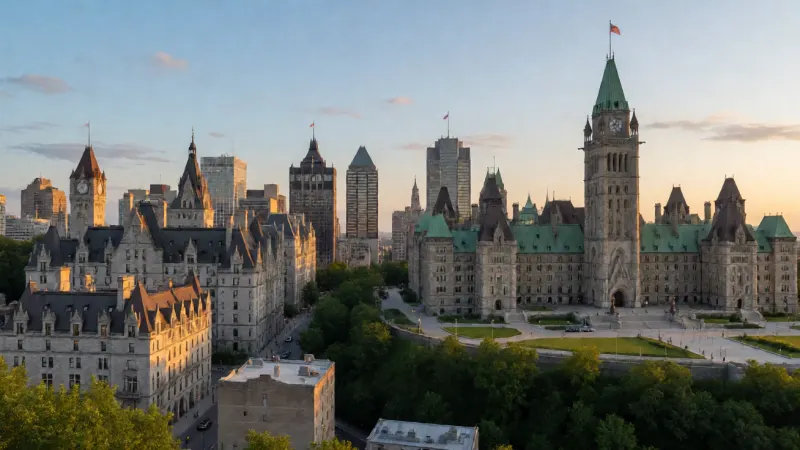
Ottawa, as Canada’s capital, exudes a sense of importance and order. The city is home to the nation’s most significant political and historical landmarks, including the majestic Parliament Hill.
Its landscape is defined by grand architecture, world-class museums, and beautiful green spaces like the banks of the Rideau Canal. Ottawa offers a more relaxed pace, perfect for those who want to immerse themselves in culture and history without the hustle of a larger metropolis.
A Head-to-Head Comparison for the Modern Traveler
To truly decide, we need to break down what each city offers across key travel categories. From the general atmosphere to the specific attractions, here’s how Montreal and Ottawa stack up against each other.
This comparison will help you pinpoint which city’s strengths align best with your ideal vacation experience.
The Vibe and Atmosphere: Which City Matches Your Pace?
Montreal is a city that never seems to sleep. It boasts a palpable energy fueled by its universities, artistic communities, and a general “joie de vivre” that permeates its neighborhoods.
In contrast, Ottawa is significantly more tranquil and composed. It’s a city of professionals, families, and diplomats, offering a clean, safe, and orderly environment that many visitors find incredibly relaxing.
Culinary Showdown: Poutine, Pastries, and Parliament Hill Feasts
Montreal is a certified foodie paradise, celebrated globally for its unique culinary contributions. You simply cannot leave without trying its iconic smoked meat sandwiches, fresh-from-the-oven bagels, and, of course, authentic poutine.
Ottawa’s food scene, centered around the historic ByWard Market, is diverse and delicious. While it may not have Montreal’s specific culinary icons, it’s famous for the BeaverTail pastry and offers a vast array of international cuisines and farm-to-table restaurants.
Nightlife and Entertainment: From Cobblestone Pubs to Capital Galas
When the sun goes down, Montreal comes alive. The city is legendary for its nightlife, with options ranging from trendy rooftop bars in the Old Port to bustling clubs on Crescent Street and intimate music venues in the Plateau.
Ottawa’s nightlife is more subdued but no less enjoyable. It centers on cozy pubs and sophisticated cocktail bars, particularly in the ByWard Market and on Elgin Street. The city also hosts numerous cultural events and performances at the National Arts Centre.
Sightseeing and Attractions: Historic Wonders vs. National Treasures
Montreal’s attractions are woven into the fabric of the city itself. Key sights include the stunning Notre-Dame Basilica, the expansive views from Mount Royal Park, and the historic Old Port.
Ottawa is a museum lover’s dream. The city is home to an incredible concentration of national museums, including the National Gallery of Canada, the Canadian Museum of History, and the Canadian War Museum. The iconic Parliament Buildings are a must-see for any visitor.
Family-Friendliness: Activities for All Ages
Montreal offers plenty for families, from the interactive exhibits at the Science Centre to the thrills of La Ronde amusement park. Its numerous parks and festivals provide endless entertainment.
Ottawa, however, often gets the edge for being exceptionally family-friendly. Its abundance of museums, open green spaces, and the kid-friendly Rideau Canal make it an easy and engaging destination for visitors with children.
Getting Around: Navigating the Urban Landscapes
Getting around Montreal is a breeze thanks to its extensive and efficient Metro system. The subway connects all major tourist areas, making a car largely unnecessary for visitors staying in the city center.
Ottawa is also highly walkable, especially its downtown core. The city’s OC Transpo bus and light rail system is reliable for reaching attractions further afield. In either city, proper planning for your daily excursions is key; using one of the many excellent triposo app alternatives can help streamline your itinerary.
The Cost of Your Canadian Adventure: A Budget Breakdown
Your budget is a critical factor in any travel decision. While both cities can be visited on a shoestring or in luxury, there are general cost differences to consider.
Montreal typically offers more budget-friendly options, particularly for dining and accommodation. Ottawa, as a capital city, can sometimes have slightly higher prices, especially for hotels near the downtown core.
| Expense Category | Montreal (Average Daily Cost) | Ottawa (Average Daily Cost) |
|---|---|---|
| Budget Accommodation (Hostel/Budget Hotel) | $40 – $80 CAD | $50 – $90 CAD |
| Mid-Range Hotel | $150 – $250 CAD | $180 – $280 CAD |
| Meals (Foodie on a Budget) | $50 – $70 CAD | $60 – $80 CAD |
| Local Transportation (Day Pass) | $11 CAD | $11.25 CAD |
| Major Attraction Admission | $20 – $35 CAD | $20 – $30 CAD |
Beyond the Obvious: Uncovering Hidden Gems in Each City
The true magic of a city is often found beyond its most famous landmarks. Both Montreal and Ottawa have unique experiences that offer a deeper glimpse into their character.
Exploring these less-traveled paths can lead to your most memorable travel moments.
Montreal’s Secret Gardens and Underground City
Beyond the grandeur of the basilica, discover the quiet, hidden courtyards tucked away in Old Montreal. Furthermore, the city’s RESO, or Underground City, is more than just a mall; it’s a massive subterranean network connecting buildings and metro stations, offering a strategic way to navigate the city, especially during harsh weather.
These unique urban features provide a different perspective on navigating a major city. Similarly, understanding the rules of a destination is crucial, whether it’s knowing local transit etiquette or why you might encounter restrictions in exclusive places, a concept you can explore further by reading about why cant you record in la perla.
Ottawa’s Unexpected Neighbourhoods and Natural Escapes
Look beyond Parliament Hill to discover vibrant neighborhoods like The Glebe, with its charming boutiques and restaurants, or the trendy Westboro. For a quick escape, the vast and beautiful Gatineau Park is just across the river in Quebec, offering incredible hiking, cycling, and scenic lookouts.
The city also leans into its capital status with unique spy-themed attractions, like the Diefenbunker, a massive underground Cold War bunker turned museum. When preparing for such a diverse trip, smart packing is essential; understanding things like is a garment bag a personal item can make your journey much smoother.
The Deciding Factor: How to Choose the Right City for YOU
Ultimately, the “better” city is entirely subjective. The right choice depends on your personal travel style, interests, and what you hope to get out of your vacation.
This final breakdown should make your decision crystal clear.
Choose Montreal if…
You are a foodie eager to explore a world-renowned culinary scene. You crave vibrant nightlife and a lively, energetic atmosphere. You love European architecture and the thrill of discovering art and culture around every corner.
Choose Ottawa if…
You are a history buff or museum enthusiast who wants to dive deep into Canadian culture. You are traveling with family and looking for a clean, safe, and engaging environment. You prefer a more relaxed pace and enjoy exploring scenic parks and waterways.
Frequently Asked Questions
Travelers often have a few final questions before booking their trip. Here are the answers to some of the most common queries when comparing Montreal and Ottawa.
Can I visit both Montreal and Ottawa on the same trip?
Absolutely! The two cities are conveniently connected by a short train ride (approximately 2 hours) or bus journey. Spending a few days in each is a popular and highly recommended way to experience the best of both worlds.
Which city is better in the winter?
Both cities embrace winter, but in different ways. Montreal has its Underground City for escaping the cold and hosts festivals like Montréal en Lumière. Ottawa is famous for the Rideau Canal Skateway, the world’s largest skating rink, and the Winterlude festival.
Do I need to speak French in Montreal?
While Montreal is a predominantly French-speaking city, you can easily get by with English in all major tourist areas. However, learning a few basic French phrases like “Bonjour” (Hello) and “Merci” (Thank you) is always appreciated by locals.
How many days do I need in each city?
To get a good feel for either city, a minimum of three days is recommended. This allows enough time to see the major sights, explore a neighborhood or two, and enjoy the local dining scene without feeling rushed.