Dreaming of spending a month in Italy is easy. The hard part is deciding where to plant your feet. This isn’t a simple vacation; it’s a temporary life, and the wrong choice can lead to frustration, logistical headaches, and a feeling of missing out on the real Italy.
The core problem for many aspiring month-long travelers is choice paralysis. Do you pick a bustling city, a quiet village, or a coastal retreat? How do you balance iconic sights with authentic local living without spending half your time on trains?
This guide cuts through the noise. It provides a strategic framework for choosing your perfect Italian home base, ensuring your month is spent savoring la dolce vita, not second-guessing your decisions.
The Dream vs. The Reality: Why a Month in Italy Needs a Strategic Plan
The fantasy of a month in Italy often involves waking up in a sun-drenched villa, effortlessly visiting a new famous city every day, and living like a local. The reality can be a whirlwind of packing, unpacking, and navigating complex train schedules, which quickly erodes the charm.
A far more rewarding approach is the “home base” strategy. By choosing one or two central locations for your stay, you unpack once, settle in, and truly immerse yourself in the local rhythm of life. This method transforms you from a tourist into a temporary resident.
Beyond the Tourist Trail: The Power of a Single Home Base
Picking a single city or town as your hub for the month allows you to build a routine. You’ll find a favorite cafe for your morning cappuccino, learn the names of the vendors at the local market, and discover hidden gems far from the tourist crowds. It’s the difference between seeing Italy and experiencing it.
This approach is not only more relaxing but also more cost-effective. Booking a single apartment for a month is almost always cheaper than stringing together multiple hotel stays. You save time, money, and the mental energy of constantly being on the move.
The Hidden Hurdles of a Month-Long Stay
A 30-day trip introduces complexities a one-week vacation avoids. Navigating short-term rental agreements, which can be surprisingly bureaucratic, is a common challenge. Understanding public transportation beyond the high-speed trains and deciding if a car rental is a necessity or a burden are critical decisions.
Furthermore, daily life logistics, like knowing when shops close for the afternoon riposo or how to dispose of recycling properly, are small but important details that shape your experience. A home base strategy gives you the time to learn these local nuances without stress.
Choosing Your Perfect Italian Home Base: A Regional Breakdown
Italy’s diversity is its greatest strength, but it also makes choosing a base difficult. The country can be broadly divided into three regions, each offering a distinct lifestyle for a month-long stay. The key is to match the region’s character to your travel style.
The North: Alpine Beauty & Urban Sophistication
Northern Italy offers a polished, efficient experience. It’s characterized by elegant cities, stunning alpine scenery, and a culture that blends Italian flair with Germanic and Slavic influences. This region is ideal for those who appreciate punctuality, high culture, and easy access to other parts of Europe.
Bologna stands out as a premier home base. Its university lends it a youthful vibrancy, while its culinary reputation is second to none. More importantly, it’s a major high-speed rail hub, putting Florence, Venice, Milan, and Verona all within a short train ride for incredible day trips. If you’re considering extending your journey, exploring options for a Switzerland Italy Croatia trip becomes much simpler from a northern base.
The Center: Renaissance Art & Rolling Hills
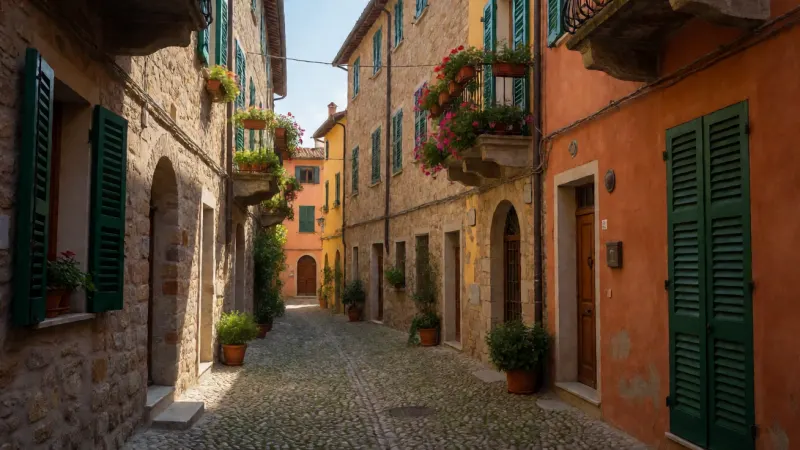
Central Italy is the postcard image many dream of. It’s home to the rolling hills of Tuscany and Umbria, Renaissance masterpieces, and a pace of life that feels deeply rooted in history. This region is perfect for art lovers, foodies, and those seeking a quintessential Italian countryside experience.
While Florence is a magnificent city, for a month-long stay, consider a smaller city like Siena or Lucca in Tuscany, or Perugia in Umbria. These cities offer a more manageable and authentic living experience while still providing excellent access to the region’s treasures. You get the beauty of Tuscany without the overwhelming crowds of Florence’s city center.
The South: Coastal Charm & Ancient History
Southern Italy is passionate, a bit chaotic, and incredibly soulful. Life moves at a slower, sun-drenched pace. This region is best for travelers seeking rugged coastlines, ancient Greek ruins, and a truly immersive, less-manicured Italian experience.
The region of Puglia (the “heel” of the boot) is a fantastic choice for a month. Basing yourself in a town like Lecce or near the coast in Polignano a Mare allows you to explore unique trulli houses, stunning beaches, and enjoy some of Italy’s best cuisine at a lower cost. For an even more adventurous stay, Palermo in Sicily offers a vibrant cultural melting pot with unparalleled history and street food culture.
Decoding Your Accommodation: Beyond the Standard Hotel Room
For a month-long stay, a standard hotel room is impractical and expensive. You need a space that feels like a home, with amenities that support a longer, slower style of travel. The key is to look beyond popular booking platforms, although some like Hopper can be useful for initial research on pricing trends before you book a long-term stay; you can read more on the question of is Hopper good for hotels for shorter trips.
Apartments vs. Agriturismos: What’s Right for You?
Monthly apartment rentals are the most common and practical option. They provide a kitchen, more space, and a residential setting that allows for deeper immersion. Look for rentals in neighborhoods slightly outside the main tourist core for better value and a more authentic experience.
An agriturismo, or farm stay, offers a unique alternative, especially in regions like Tuscany and Umbria. These are working farms that offer guest accommodation. This choice provides a tranquil, rural experience, often with home-cooked meals and a strong connection to the land, but usually requires a car.
The Lease Problem: Navigating Short-Term Rental Contracts
One of the less-discussed challenges is the rental agreement. Finding a true “monthly rental” can be difficult, as many landlords prefer either week-to-week tourist rates or long-term contracts of a year or more. Be prepared for a negotiation process.
Always ask for a written contract (contratto di affitto ad uso turistico) and read it carefully. Ensure it details the total cost, what utilities are included, and the deposit amount. This formal step protects both you and the owner and is a sign of a reputable rental.
The Logistics of a 30-Day Stay: Don’t Get Caught Out
Successfully managing a month in Italy requires thinking through the practical details. Transportation, connectivity, and budgeting are the three pillars that will support your trip and prevent common frustrations.
Transportation: To Rent a Car or Rely on Trains?
The decision to rent a car depends entirely on your chosen base. For a city like Bologna or Florence, a car is an expensive liability due to parking difficulties and restricted driving zones (ZTL). The excellent train system makes regional travel easy and efficient.
However, if your base is a small town in Tuscany, Puglia, or Sicily, a car is essential for exploring the countryside and reaching hidden gems. Without one, you’ll be limited to infrequent local bus services. The golden rule: city base, no car; rural base, rent a car.
Staying Connected: Your Digital Lifeline
Reliable internet is crucial for a month-long stay. While your apartment will have Wi-Fi, you’ll need data for navigation and communication on the go. An eSIM is the most convenient and cost-effective solution for modern smartphones.
Instead of relying on expensive roaming plans, an eSIM allows you to download a local data plan directly to your phone. It’s a simple setup that saves money and hassle. For a detailed comparison of popular options, it’s worth researching providers like in this Airalo vs Orange eSIM breakdown.
Budgeting for a Month: A Realistic Financial Plan
A month in Italy can be surprisingly affordable if planned correctly. Your biggest expense will be accommodation, followed by food and activities. Creating a realistic budget is key to a stress-free experience.
Shopping at local markets and cooking some of your meals will save a significant amount of money and is a core part of living like a local. Below is a sample budget to help you plan.
| Expense Category | Estimated Monthly Cost (Per Person) – Mid-Range | Notes |
|---|---|---|
| Accommodation (1-BR Apartment) | €1200 – €2000 | Highly dependent on location. Major cities are more expensive. |
| Groceries & Markets | €400 – €600 | Cooking 50% of meals. Includes wine and local specialties. |
| Dining Out (Restaurants/Cafes) | €500 – €700 | Assumes a mix of casual trattorias and a few nicer meals. |
| Local & Regional Transport | €150 – €250 | Based on using regional trains for day trips and local city transport. |
| Activities & Sightseeing | €200 – €300 | Museum entries, tours, and other paid attractions. |
| Total Estimated Monthly Budget | €2450 – €3850 | Excludes flights. Car rental would be an additional cost. |
Final Verdict: The Unspoken Truth of a Month in Italy
Spending a month in Italy is not just an extended vacation; it’s an investment in a different way of life. It’s about embracing the pause, finding beauty in daily routines, and understanding a culture from the inside out. The initial planning, especially choosing the right home base, is the most critical step.
By trading a frantic, multi-city dash for a settled, immersive experience, you gain something far more valuable than a checklist of sights. You gain a temporary home and a lifetime of memories rooted in the authentic rhythm of Italian life.