Hi everyone. Today I’m walking you through everything you need to know to fly yourself to paradise. Yep, I’m talking about the Bahamas. If you’ve ever dreamed of hopping on your plane and cruising over the Atlantic to some of the world’s most beautiful beaches and islands, this is your guide. Let’s break it down step by step.
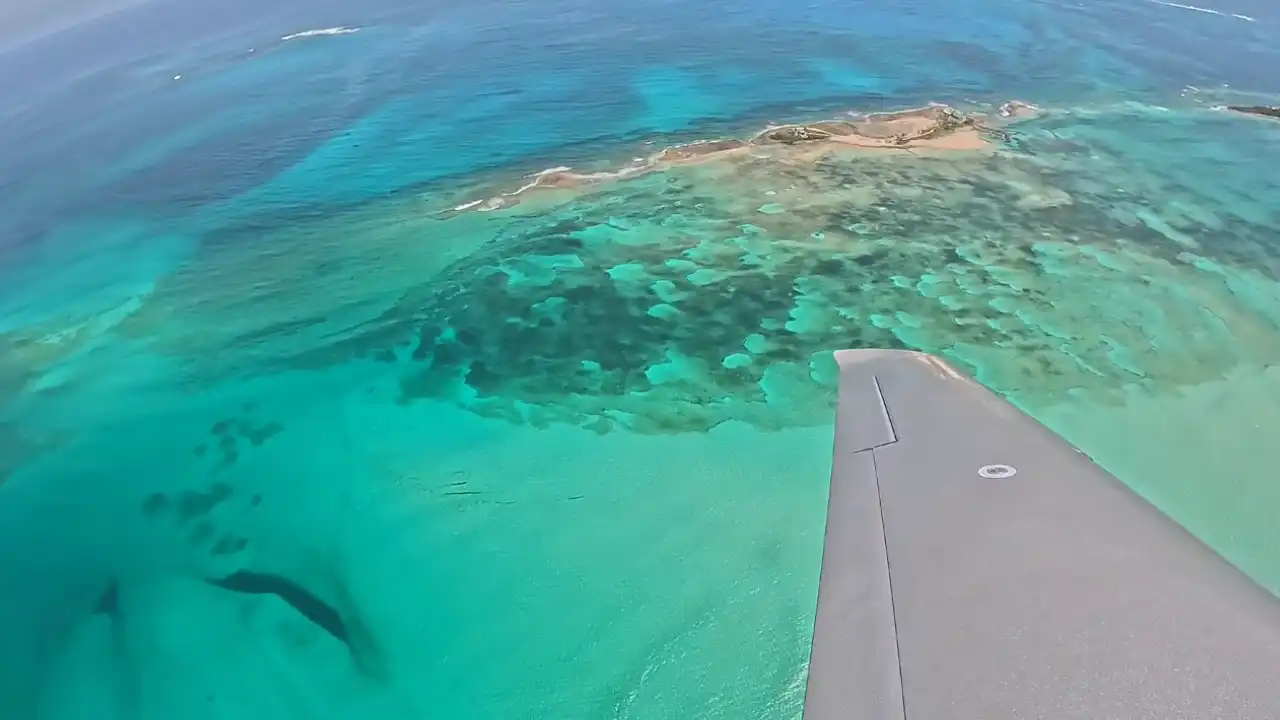
Prerequisites: Before You Pack Your Luggage
First things first, here are the things that you’ll need before you go. First, you’ll need to be a private pilot or higher. No student pilots are allowed.
You’ll need a current medical and valid passport. Yep, that means no expired pages hiding in your drawer. Check your passport validity here.
Your aircraft must be US registered. You also need to head over to the US Customs and Border Protection decal and transponder online procurement system and order you a decal that will go onto your plane to aid in customs when you come back into the country.
FCC Requirements
You also need to head over to the FCC website and obtain your radio station license for your aircraft as well as a restricted telephone operator’s permit for yourself. These items are free to register for. You just have to take the time to go to the FCC website and register your plane and yourself.
The Essential Luggage: Equipment and Safety Gear
When we talk about “luggage” for a flight over the Atlantic, we aren’t just talking about suitcases. We are talking about the required safety equipment you must carry on board.
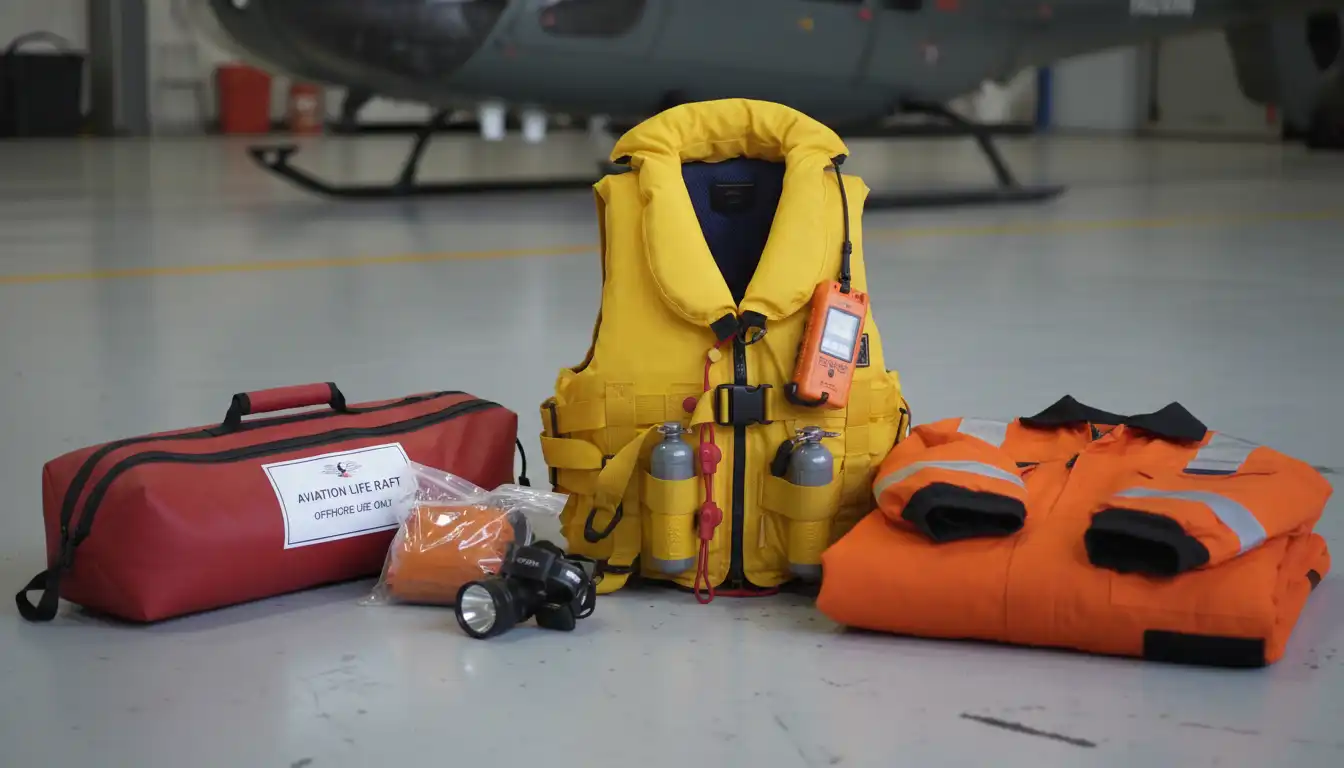
If you’re crossing more than 50 nautical miles offshore, you are required to carry a life vest for each person on board as well as a life raft is recommended.
Aircraft Equipment Checklist:
- ELT: Your aircraft must have a working 406 MHz ELT.
- Transponder: You also need a transponder with mode C.
- ADSB: ADSB out is strongly recommended, especially when transitioning the Miami center airspace.
- Markings: You need to make sure that the registration marks on your plane are at least 12 inches.
You need to make sure that you carry your airworthiness certificate as well as permanent registration.
Planning the Trip: Manifests and Flight Plans
Now that we have everything we need before we go, before you wheels up on the day of travel, you must file an EAPIS manifest online. That’s the electronic advanced passenger information system. It lets custom and border patrol know who’s leaving the country and who’s entering back in.
Important: You want to do this at least 1 hour before departure. Do this way in advance. It’s not exactly user-friendly.
And then also I would recommend before traveling to also call the custom and border patrol and just let them know the approximate time that you’re leaving the country. This is not as big of a deal when leaving, but makes a big difference when you come back in.
Read more about travel advisories here.
The Flight Plan
When planning your travel, pick an airport in the Bahamas that has a port of entry. Most of them are, and there are over 36 different ports of entry in the Bahamas.
You want to make sure you file your ICAO flight plan. And remember, VFR or IFR is fine, but you must be talking with ATC when transitioning offshore. I would recommend filing an IFR flight plan as this just makes it easier and you’re more well protected.
Arrival in Paradise: The Process
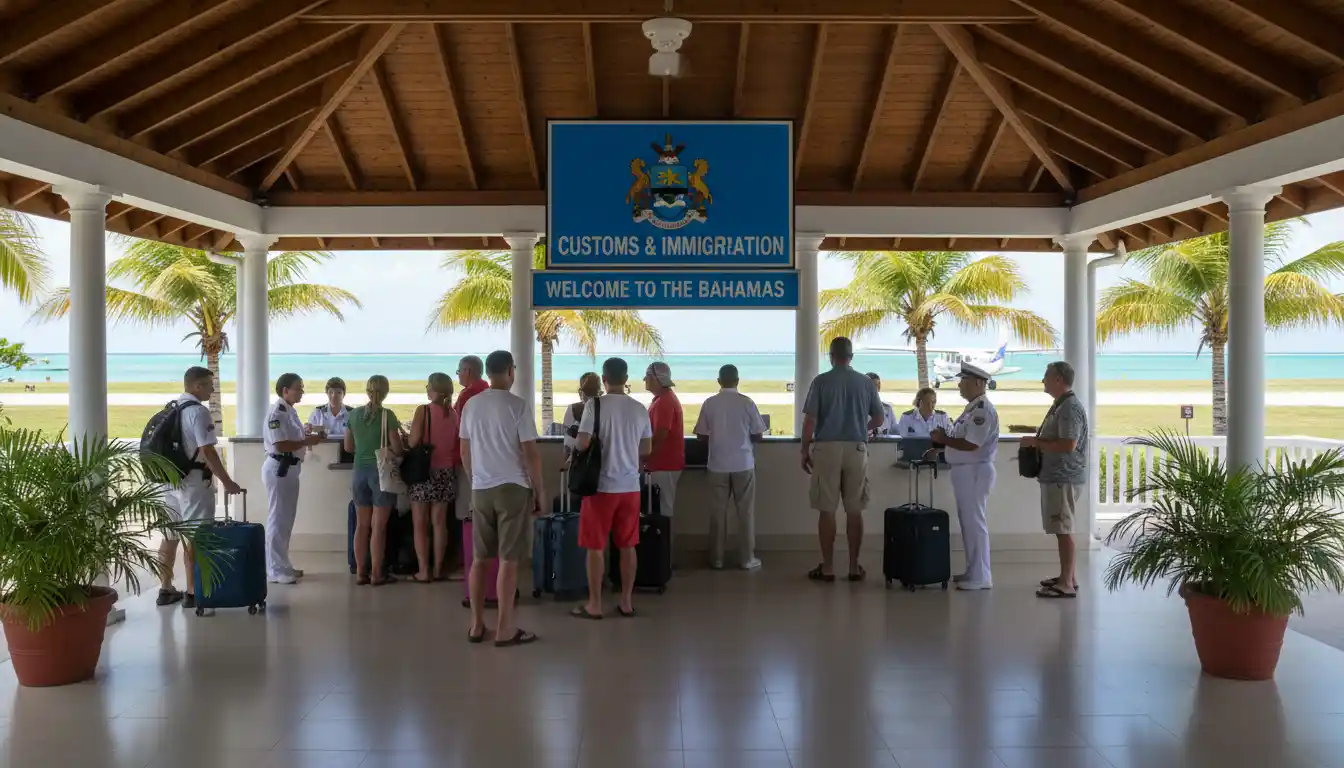
Once you land, you’ll taxi to custom, shut down, and head in with your documents.
The Fees:
- You’ll pay a $50 per person arrival fee. This can vary slightly.
- And don’t forget, if you’re going to be traveling to multiple islands, get your $75 annual cruising permit.
Required Arrival Documents:
You’ll also need to make sure you have three copies of their C7A inward declaration and cruising permit for private aircraft entering the Bahamas. This is required and it’s helpful to have this filled out in advance. You’ll also need a Bahamas immigration card, which they can provide for you at typically the FBO when you get there.
Our Experience at Treasure Cay
For this trip, we decided to go to Treasure Cay and visited Family Island Air, which was the FBO at the airport. Customs is inside and makes customs process extremely easy. We then drove over to Treasure Key in our rental car and we stayed at the Bahama Beach Club Resort which was extremely nice and very secluded.
Explore more adventure destinations here.
There were very few people there and the amenities were just super super nice. The beach was amazing. Uh just white sands and crystal blue waters. Uh anything that you could have hoped for. We then got some dinner and then headed back to our room uh to get some sleep in order to get ready for the flight back the next day.
The Return: Flying Back to the US
All right. When you’re ready to depart and head back to the US, you do have to file an EAPIS manifest again with US Customs and Border Patrol. This is for your arrival back into the US.
Crucial Step: It is really important to call the Customs and Border Patrol office at your US arrival airport and give them at least a 1 hour notice.
You’ll hear stories about people getting fussed at and getting in trouble because they missed their deadline. Even if you file your EAPIS manifest with a different time, if you call them in advance and let them know the estimated time, they will update it. And usually this eliminates any of the difficulty and makes things smooth getting back in. Once you’ve done this, now it’s time to depart and head back to the US.
The Return Flight
Treasure key traffic 58 Bravo Papa runway 14 left turn out treasure. All right. Flaps 50. Make sure boost is on. Air speed’s alive. Instruments in the green.
Proceed direct to the Palm Beach airport. Maintain 2,000. 14 in sight. Clear for a visual approach runway 14. There will be multiple arrivals for the crossing runway.
Contact the tower one niner point one.
Runway 14 clear to land hold short of runway one zero left.
Handling the Departure
When you are finally wheels up, you need to stay ahead of the airplane. On our departure, we went through our flows immediately.
Flaps 50. Make sure boost is on. Air speed’s alive. Instruments in the green.
We announced our intentions clearly: Treasure key traffic 58 Bravo Papa runway 14 left turn out treasure. It is vital to communicate your position. We heard: Traffic defense departing southeast west. Traffic will now follow you in number four now. Hell yeah. Traffic defense departing southeast west departure off about 30 miles.
Once we were airborne and contacting Miami, the controllers were helpful in expediting our arrival.
Hey, Bravo Papa, turn left heading 180. Did you want or did you need the ARV or are you okay with the visual to 14?
We responded: We can do the visual for 58 Bravo pop. The controller replied: Perfect. That’ll work out way better.
Clearing US Customs: The Luggage Rule
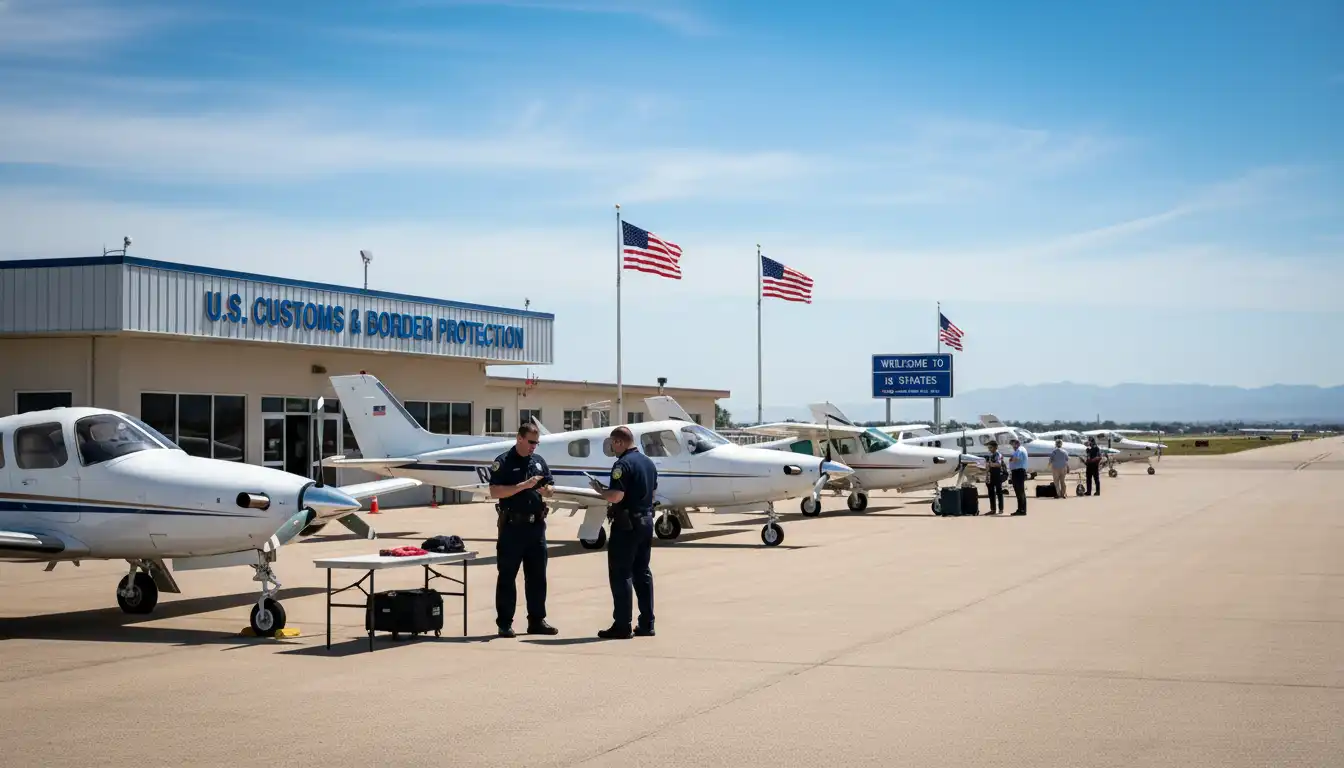
All right. Once you land back in the US, you’re going to taxi to customs.
The Golden Rule: It’s important not to get out of your plane until the customs and border patrol agents come to you.
Have your documents and EAPIS confirmation ready. After a quick inspection, you’ll head inside to show them that your passport and then you’re officially back in the US.
Now that we’ve cleared customs, it’s time to get our IFR clearance over to St. Augustine so we can refuel. We didn’t get fuel here at Palm Beach because the cost of fuel is just really expensive and so we figured we’d save a couple hundred by flying over to St. Augustine to refuel.
The Domestic Leg: Clearance and Taxi
After clearing customs, we had to prepare for the domestic leg. We called up clearance delivery to get our instructions.
Palm Beach clearance sir 518 Bravo Papa with alpha would like to pick up by farlightly panel file, please.
The instructions were specific: Palm Beach clearance clear to the Sierra Gulf Juliet airport via the Palm Beach 3 departure. Radar vectors to join Tangaroo 208 direct Valka Victor Alpha Lima kilo Alpha direct destination maintain 1,500 expect 8,000 1 minutes after departure. Departure frequency 128.3 squawk 7416.
Navigating the Taxi
Ground control gave us precise movements to avoid the busy commercial traffic.
Serious 518 bravo papa pomish ground runway one zero left. Taxi via Foxhot Hotel. Hold short runway 14. Turn left on runway 14 and left on Lima.
While taxiing, we had a unique sighting. And here’s 236 Mike Juliet, which is Michael Jordan’s plane landing. Uh, we just missed him at customs by about 10 minutes.
Line up and wait. Runway 1 Z left. Bravo Papa. Clear for takeoff. One Z left.
Traffic Management and Final Arrival
The flight up the coast required vigilance regarding heavy metal traffic. Departure control kept us informed.
November 518 bravo papa. Traffic 12:00 6 miles south of a uh Boeing 737 4,000.
We acknowledged: Uh we’ll look out for that traffic. Bravo Papa. Shortly after, we confirmed: Departure 58 Bravo Papa’s got that traffic in sight.
Arrival into St. Augustine
As we approached our fuel stop, we were handed off to Jacksonville departure.
Jack’s departure. Turn left direct VIA up. Climb maintain 900,000.
The controller warned us about departing jets: A Bravo Papa, reduce your speed. Traffic CRJ departing prior arrival. Traffic CRJ departing now. Caution wake turbulence runway 5 clear to land 0 9 0.
We acknowledged the safety hazard: All right. Look out for the traffic and caution of the wake turbulence for Bravo Papa.
After a safe landing, ground control directed us in: 518 bravo papa ground taxi to park via fox trot runway 111 alpha bravo foxtrot.
Summary Checklist: What to Carry
Here is a quick table of the essential “Luggage” (Documents and Gear) mentioned in this guide.
| Item Type | Specific Item | Requirement/Notes |
| Document | Passport | Valid, no expired pages hiding in your drawer. |
| Document | Pilot License | Private pilot or higher. |
| Document | Medical Certificate | Must be current. |
| Document | Radio Station License | Obtain from FCC website (Aircraft). |
| Document | Restricted Telephone Operator’s Permit | Obtain from FCC website (Pilot). |
| Document | Airworthiness Certificate | Must be on board. |
| Document | Permanent Registration | Must be on board. |
| Document | C7A Inward Declaration | Three copies required. |
| Gear | Life Vest | Required if crossing >50nm offshore. |
| Gear | Life Raft | Recommended. |
| Gear | Customs Decal | Order from DTOPS. |
| Gear | 406 MHz ELT | Working unit required. |
Have a good one.