We are talking everything cash, money, money, money in the Philippines. If you are coming here or living here, you will find some helpful information about currency restrictions for entry. This is a crucial topic because making a mistake with your cash can lead to serious consequences.
Recently, a couple of passengers or travelers at the Manila airport were intercepted for bringing too much money and not declaring it. The Bureau of Customs seized 24.2 million pesos of Undeclared cash at NAIA terminal 3.
The first passenger was a Filipino passenger last January 22, and he was carrying with him $272,000 US. Yikes! And then the following day, another passenger was intercepted. This one was a Japanese passenger, and he was carrying with him 15,400,000 Japanese Yen and 62,000 Philippine peso.
Both of these passengers were intercepted, their money was seized, and now they are undergoing proceedings for alleged violations of the Customs Modernization Tariff Act, New Central Bank Act, and Anti-Money Laundering Act. Not good; we don’t want that, right?
What is the Law on Currency Restrictions for Entry?
So what is the law anyway in bringing money to the Philippines whether you are entering or leaving the country? Let’s refer to the Bangko Sentral ng Pilipinas and the Customs. What do they say?
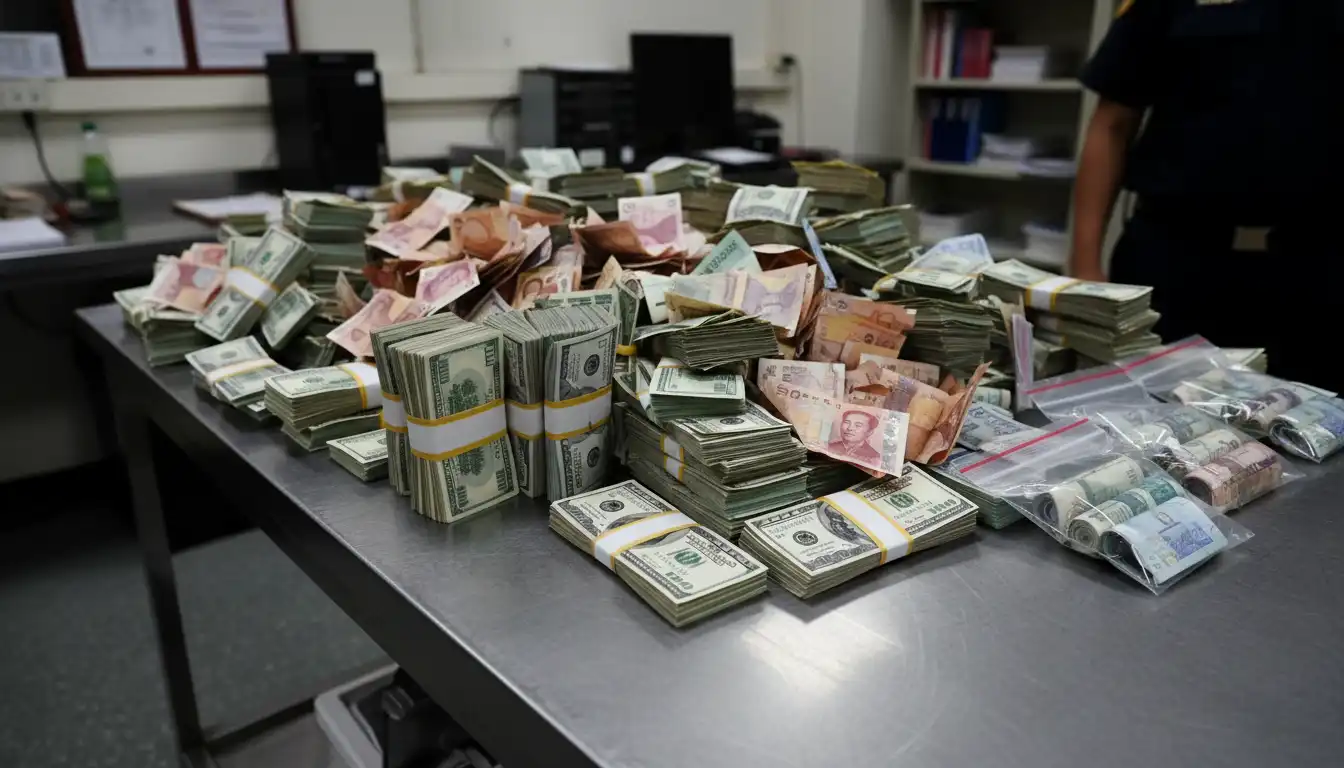
This law covers foreign currency, Philippine peso, and other monetary instruments. When I say other monetary instruments, I am talking about checks, money orders, and deposit certificates.
Is There a Limit?
According to the Bureau of Customs, there is no limit or restriction to the amount of foreign currency that a person may bring in or take out of the Philippines. However, arriving or departing travelers who carry foreign currency in an amount exceeding $10,000 US or its equivalent in other foreign currency must declare in writing such transport of currency.
In Filipino, if it is more than $10,000 US, declare it. For example, if you have $4,000 Canadian dollars or £9,000, and it converts to more than $10,000 US, you must declare.
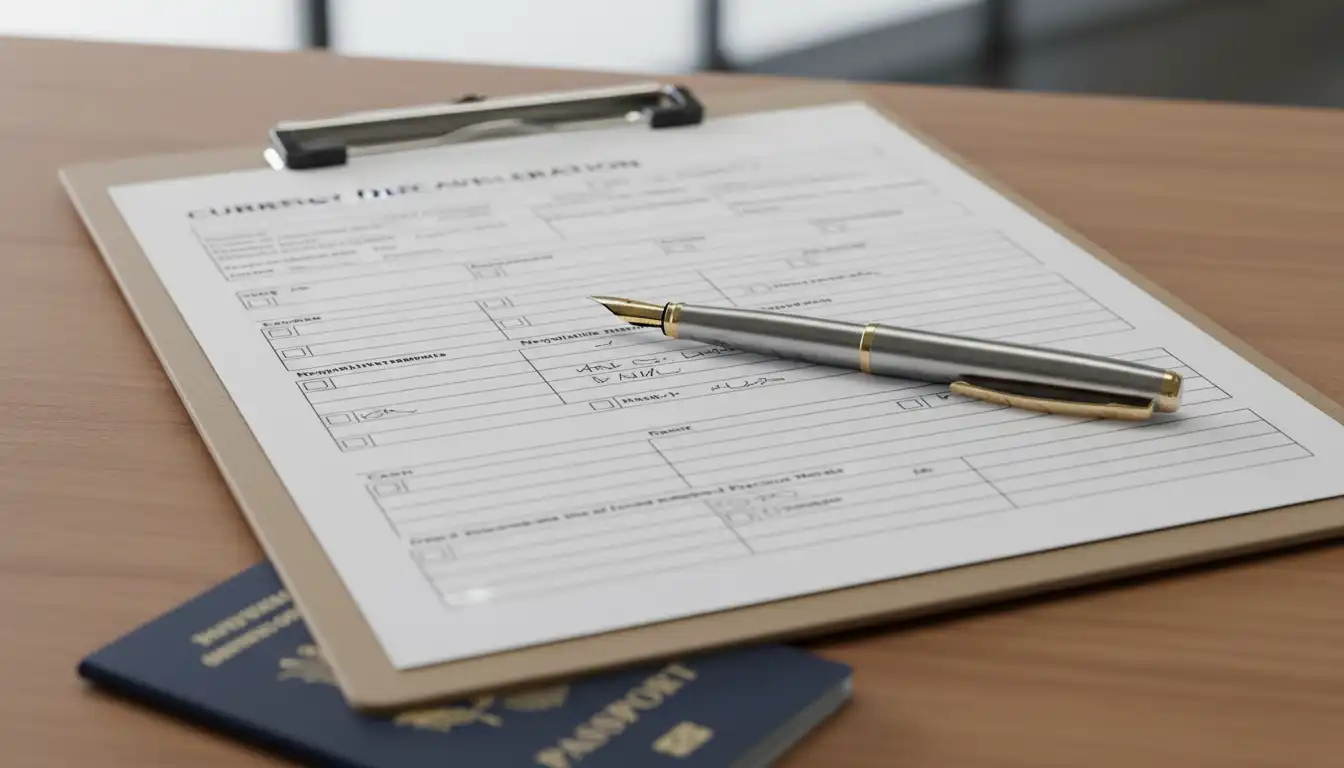
To state it clearly: if you are carrying $10,000 or less, there is no action needed. But remember to take care of your money, as airport theft happens, and not just in the Philippines but in other countries too. Remember that security officer in NAIA who swallowed $300?
Calculating the Threshold
Going back to the rule, if you are carrying more than $10,000, you need to declare it. While if you are carrying other foreign currencies—let’s say pounds, Canadian dollars, Australian dollars, Singaporean dollars, Japanese Yen, whatever—you can convert it to USD to know if you have to declare it. There is a website by the Bangko Sentral ng Pilipinas that can help with conversion rates.
Family Travel Rules
This is a very common question: how about for families traveling together? How does the threshold apply?
We asked that question to Bangko Sentral ng Pilipinas regarding a scenario where a family of three is going home to the Philippines carrying $15,000. They were not sure if they had to declare upon arrival, wondering if the $10,000 threshold is per person or per family.
According to BSP, the $10,000 threshold for the cross-border physical transfer of currencies is on a per-person basis. So, since you are a family of three who will travel together and carry a total of $15,000—or $5,000 per person—there is no need to declare said amount provided that the three travelers are physically present upon inspection by the Bureau of Customs.
Just as you wouldn’t risk lying about guests in a hotel to save a few bucks, you shouldn’t risk hiding cash when traveling with family. The rules are clear and actually quite generous for groups.
Rules for Philippine Peso
How about carrying Philippine peso? Let’s say you exchanged some money abroad or you are visiting and then you have some peso left with you. You want to bring it with you abroad. Can you do that? It depends.
As per Bangko Sentral ng Pilipinas rule on the transfer of Philippine peso into or out of the Philippines, you have to follow this rule:
- If it is 50,000 pesos or less, you don’t need to declare it. Yes, you can go ahead and bring it or take it with you.
- But if it is more than 50,000 pesos, it requires prior Bangko Sentral written authorization and it must be declared.
Getting that written authorization from Bangko Sentral is not easy and you just can’t do that at the airport. So this is my message: don’t bring more than 50,000 pesos out of the country. Leave it here or better yet, follow the advice of Bangko Sentral ng Pilipinas: exchange it to US dollars or other currencies you may need or want.
Important Tips for Foreign Bills
If you are thinking about carrying foreign currency here, most money changers will widely accept currencies from big countries like US Dollars, Euro, Pounds, Australian, Japanese, Singaporean, and Canadian. You have no problem there.
But you have to make sure that your bills are not torn, not damaged, there is no mark, no writings in it, and better yet, don’t fold it. The money exchange here in the Philippines is strict when it comes to foreign bills. They want crisp, they want new. Don’t bring in old bills. I don’t care if in your country they are accepted; you are in a foreign country. This is why they are just being careful and these employees are just following their company policy. Bring fresh bills.
Digital Money vs. Cash
How about if I have, I don’t know, $1 million in my credit card or in my debit card? Do I have to declare that? You don’t need to. Money in your account is not counted towards currency restrictions for entry.
Just like knowing the rules before flying to the bahamas, understanding that digital funds are exempt simplifies your travel planning immensely.
How to Declare
How do you declare if you exceed the limit? Well, it is easy. On eTravel, every one of us will have to register to eTravel when we are entering the Philippines, right? The baggage and currency declaration can be found there.
What Happens If You Exceed the Limit?
They say there is no limit to how much you can bring, but if I bring more than the limit, I have to declare it. So, what can we expect?
Well, expect to be questioned about the purpose of your money. What are you going to use this for? And especially the source. Bring documents.
My advice just to avoid a hassle: don’t exceed the limits. Transfer your money through a bank if you have so much of it.
Consequences of Non-Compliance
Personally, I’ve heard fellow Kababayans (fellow Filipino travelers) saying that they brought more than the threshold and said that nobody batted an eye and nothing happened to them. So it must be okay, right?
Please don’t have this mindset. Declare when you have to declare because repercussions can be bad. According to Customs, any violations of these rules may lead to the seizure of the currency and civil and/or criminal prosecution and/or imposition of penalties against the violator. That is bad.
Aside from being mindful of Philippine laws, other countries have the same rule. For example, in the US, if you transport a combined amount exceeding $10,000 or its foreign equivalent, you also have to declare it.
Summary of Currency Rules
To keep it simple, here is a breakdown of the limits for currency restrictions for entry into the Philippines.
Philippine Currency Limits Table
| Currency Type | Amount Limit for Free Entry | Action Required if Exceeded |
|---|---|---|
| Foreign Currency (USD, etc.) | Up to $10,000 USD | Must declare in writing (eTravel form). No tax, just declaration. |
| Philippine Peso (PHP) | Up to 50,000 PHP | Requires written authorization from Bangko Sentral ng Pilipinas (BSP). |
| Credit/Debit Cards | No Limit | None. Digital funds are exempt. |
Conclusion
When traveling to the Philippines, dealing with cash doesn’t have to be scary. Just remember the magic numbers: $10,000 USD for foreign currency and 50,000 PHP for local currency.
Take care of your cash, bring crisp bills to ensure they are accepted, and always declare if you are over the limit to avoid seizure and prosecution. Safe travels!