A long bus journey awaits, stretching for hours across states. Comfort is not just a luxury; it’s a necessity. Yet, for many Greyhound passengers, a simple task like reclining their seat turns into a frustrating puzzle, setting the stage for a long, uncomfortable ride.
The core of the problem lies in the hidden and varied nature of the recline mechanisms. You’re not alone if you’ve fumbled around your seat, pressing and pulling at various parts to no avail. This guide is here to solve that problem for good.
Why Is Finding the Recline Button So Difficult?
The challenge of reclining a Greyhound seat stems from a few key factors. Primarily, the recline controls are not always in an intuitive or standardized location. This inconsistency across the fleet can leave even seasoned travelers confused and uncomfortable.
Furthermore, the mechanisms can vary significantly depending on the age and model of the bus. An older bus might have a simple mechanical lever, while a newer coach could feature a more discreet button integrated into the armrest. Without knowing what to look for, the search can feel hopeless.
The Common Culprits of a Non-Reclining Seat
Beyond just locating the control, you might face a seat that refuses to budge. This can happen for several reasons. The mechanism might be jammed due to debris or lack of use, or in some unfortunate cases, the seat itself may be broken.
It’s also crucial to understand that the design of bus seats prioritizes durability and safety, which can sometimes translate to stiff or less-than-smooth operation. Understanding these potential roadblocks is the first step toward overcoming them and achieving a more comfortable posture for your journey.
Your Definitive Guide to Reclining a Greyhound Seat
Ready to finally lean back and relax? This step-by-step process will demystify the various recline mechanisms found on Greyhound buses. By following these instructions, you’ll be able to locate and operate the control, no matter the bus model.
Patience is key. Systematically check each potential location, and remember the correct technique: always apply gentle backward pressure on the seatback while you engage the recline mechanism. This simple action is often the missing piece of the puzzle.
Step 1: The Armrest Investigation
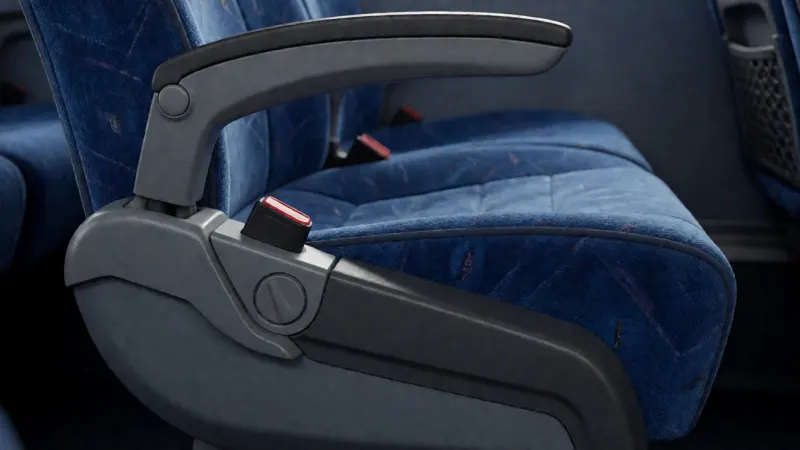
Begin your search on the armrest. On many of Greyhound’s modern buses, you will find a small, often circular or rectangular button. This button is typically located on the vertical surface of the armrest, facing the aisle or the window.
Press this button firmly. While holding it down, lean back against the seat. This dual action releases the locking mechanism and allows the seat to tilt backward. Release the button once you’ve found a comfortable angle to lock the seat in place.
Step 2: The Side-of-Seat Lever Search
If the armrest yields no results, direct your attention to the side of the seat cushion. Feel along the plastic molding between your seat and the neighboring seat (or the window). Here, you may find a paddle-style lever.
This lever usually needs to be pulled upwards. As you lift the lever, simultaneously lean back. Much like the button mechanism, this action is required to allow the seat to recline. It’s a common design on many coach buses and is quite effective once located.
Step 3: Troubleshooting a Stubborn Mechanism
What if you’ve found the control but the seat still won’t move? The mechanism might be stuck. First, ensure there are no obstructions like bags or clothing caught in the hinge area.
Next, try a gentle rocking motion. While holding the recline button or lever, gently rock your body forward and backward. This can help to dislodge a mechanism that is slightly jammed. Avoid using excessive force, as this could damage the seat further.
Step 4: When to Seek Assistance
If you’ve tried all the steps and your seat remains stubbornly upright, it may be broken. In this situation, the best course of action is to politely inform the driver at the next safe opportunity, such as a scheduled rest stop.
If the bus is not full, the driver may be able to move you to a different seat. Reporting the issue also helps Greyhound identify and repair broken seats, improving the experience for future passengers. Remember that drivers are focused on safety and may not be able to assist while the bus is in motion.
The Greyhound Fleet Factor: Why Seats Vary
One of the most significant but least-discussed reasons for seat confusion is the diversity of Greyhound’s fleet. Greyhound operates various bus models from different manufacturers, including Motor Coach Industries (MCI) and Prevost. Each model, and even different generations of the same model, can have unique seat designs.
Newer models like the MCI D4505 or Prevost X3-45 are more likely to feature modern amenities, including easier-to-find recline buttons and power outlets. Older, refurbished coaches, while perfectly safe, may retain older seat styles with less intuitive lever systems. This fleet variation is the primary reason why a method that worked on your last trip might not work on your current one.
| Mechanism Type | Common Location | How to Operate |
|---|---|---|
| Push Button | Side of armrest (aisle or window side) | Press and hold button while leaning back. |
| Lever | Side of seat cushion, near the base | Pull lever up while leaning back. |
| Under-Armrest Tab | Directly underneath the main armrest | Lift a small tab or press a button while leaning back. |
Beyond Reclining: Mastering Bus Travel Comfort
Achieving a reclined position is a great start, but true comfort on a long-haul bus trip involves a more holistic approach. Your journey’s comfort level can be significantly enhanced by a few strategic choices and accessories. This is especially true when navigating different booking platforms; for example, understanding if Kiwi.com is legit can impact your travel planning and overall experience.
Consider your seat location carefully. A window seat offers a view and a surface to lean against, while an aisle seat provides easier access to the restroom and the ability to stretch your legs. Think about your personal preferences before you board.
Essential Comfort Accessories
A few small items can make a world of difference. A high-quality neck pillow is non-negotiable for preventing stiffness and enabling sleep. An eye mask and earplugs or noise-canceling headphones can create a personal bubble of tranquility, blocking out light and the inevitable noise of a shared space.
Dressing in comfortable, layered clothing allows you to adapt to the bus’s fluctuating temperature. A small blanket or a large scarf can also add a welcome layer of warmth and coziness, making it easier to rest during your trip.
Bus Etiquette and Shared Space
Remember that you are in a shared environment. When you recline your seat, do so slowly and be mindful of the person behind you. A sudden, full recline can be startling and can encroach on their already limited personal space.
A quick glance behind you before you recline is a considerate gesture. If the person behind you is particularly tall or using a laptop on their tray table, a modest recline is the most courteous option. A little consideration goes a long way in making the journey pleasant for everyone.
Frequently Asked Questions About Greyhound Seats
Even with a comprehensive guide, specific questions often arise. Here are answers to some of the most common queries passengers have about reclining their seats and overall comfort on a Greyhound bus.
These insights can help you prepare for your trip and manage your expectations, ensuring a smoother and more enjoyable travel experience from start to finish.
Do all Greyhound seats recline?
The vast majority of seats on Greyhound buses are designed to recline. However, you may occasionally encounter a seat with a broken mechanism. Seats in the very last row often have a limited recline or may not recline at all to accommodate the restroom wall behind them.
How far back do the seats go?
The recline angle on Greyhound seats is modest. It is designed to provide a more comfortable resting position without significantly impacting the passenger behind you. Expect a noticeable tilt, but not a fully flat or deeply reclined position like you might find in a premium airline cabin.
What if the person in front reclines into my space?
Space is limited, and a reclined seat can feel intrusive. If you are struggling for space, the first step is to politely speak with the passenger in front of you. You might ask if they would mind bringing their seat up slightly, especially during meal times if you are using the tray table. The experience can be different across various travel providers, and knowing if Google Flights is reliable for booking can set different expectations for comfort.
If you are uncomfortable speaking to them directly or if they are unresponsive, you can mention the issue to the driver during a break. However, remember that passengers are generally entitled to recline their seats. For those seeking different travel experiences, some might wonder about specific resort policies, such as whether Secrets resorts are for swingers, which highlights how varied travel preferences can be.
Can I change my seat if mine won’t recline?
Yes, if there are other open seats available on the bus, you can usually move. It’s best practice to wait until the bus has departed the station and is on its way to ensure the seat is not reserved for a passenger boarding at a later stop. You can also ask the driver for permission to move during a rest stop.