One of the most frustrating things about airline flying is choosing how long to give yourself for a connecting flight. On one hand, you want to get to your destination as quickly as possible. On the other hand, giving yourself too tight of a connection could cause you to miss your connecting flight entirely.
So, how long of a layover should you give yourself? Is a 2-hour layover for international flights actually safe? There are a lot of factors that you should consider. Whether you are a first-time flyer or a seasoned traveler, understanding the mechanics of a layover is essential to a stress-free trip.
Understanding the Basics: What is a Layover?
Sometimes your home airport doesn’t always go to your final destination without a layover, and that is completely normal. You will have to go through an additional airport. Depending on your destination, sometimes you have to fly between some major airports before going to a little airport. It is a little bit more time-consuming, but it is always cheaper, and if you’re trying to do an inexpensive trip, sometimes that helps.
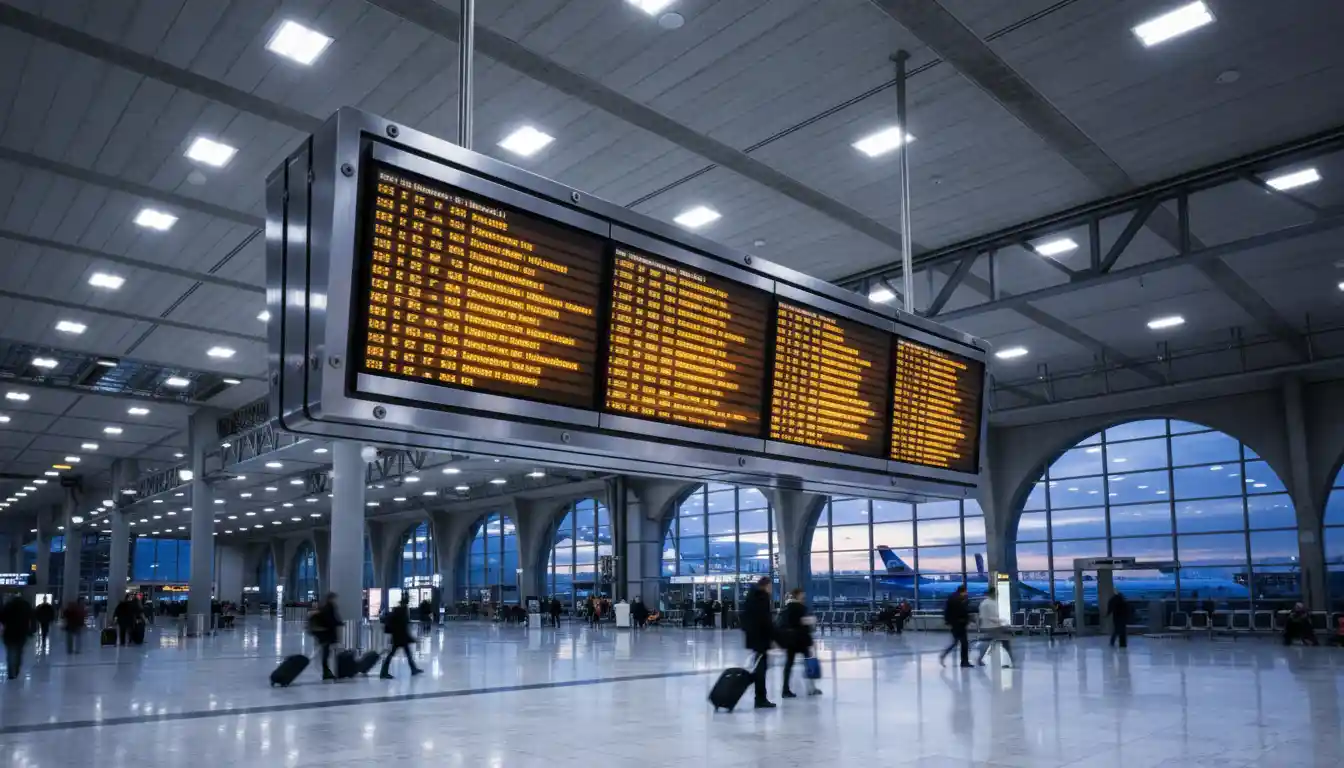
For domestic travel, you typically just land, get off the plane, and go to your next gate. However, for international travel, it gets a little bit more confusing and a little bit more anxiety-driven and exciting. Generally, and depending on your route, you might have to go through customs and additional security during a layover.
The Critical Factors: How Much Time Do You Really Need?
Each airline sets standard minimum connecting times at each hub they serve. Some of these connecting times can be as short as 30 minutes, which you may have seen. But keep in mind that just because the airline will sell you an itinerary with a tight connection, that doesn’t mean you should buy it.
Think about the time it takes to get off the plane, especially if you are sitting in the back, and the time it can take to get to the next gate, which could easily be in another terminal. Even if you do make it in time, the experience can be stressful and leave you with no time for things like visiting the restroom or buying a meal before your next flight.
Personally, if traveling solo, a good rule of thumb is to give yourself at least an hour and a half to 2 hours for an international flight. However, if you are a new flyer, you should give yourself even more time since the airport experience will be new to you.
1. Single Reservation vs. Separate Tickets
The first factor to consider when choosing flights and deciding if a 2-hour layover for international flights is sufficient is whether you will be booking your flights on a single reservation or as two separate tickets. This can be tricky to catch if you are booking your flights through a third-party website.
Most of the time, if you see your flights on two different airlines, these airlines have what is called an interline agreement with each other, which just means that they are partner airlines. But other times, websites are just trying to put you on the cheapest flights, even if it means putting you on two separate airlines that have no partnership with each other.
If you end up getting booked on two separate non-partner airlines and you are going to be checking bags, you are going to have to collect your bags in between flights and then recheck them in with the next airline. Doing so will require you to:
- Leave security.
- Collect your bags.
- Check them in with the next airline.
- Go through security again.
- Go through customs and immigration (if flying internationally).
If you find yourself in this scenario, then you will need to give yourself at least 2 to 3 hours to go through this process. Booking your flights together under one reservation will help eliminate the need for you to recheck your bags. If you do happen to miss your connecting flight on a single ticket, the airline will rebook you to the next available flight free of charge. However, if you miss the second flight on separate tickets, the second airline will treat you as a no-show and will cancel your ticket.
2. The Impact of Customs and Immigration
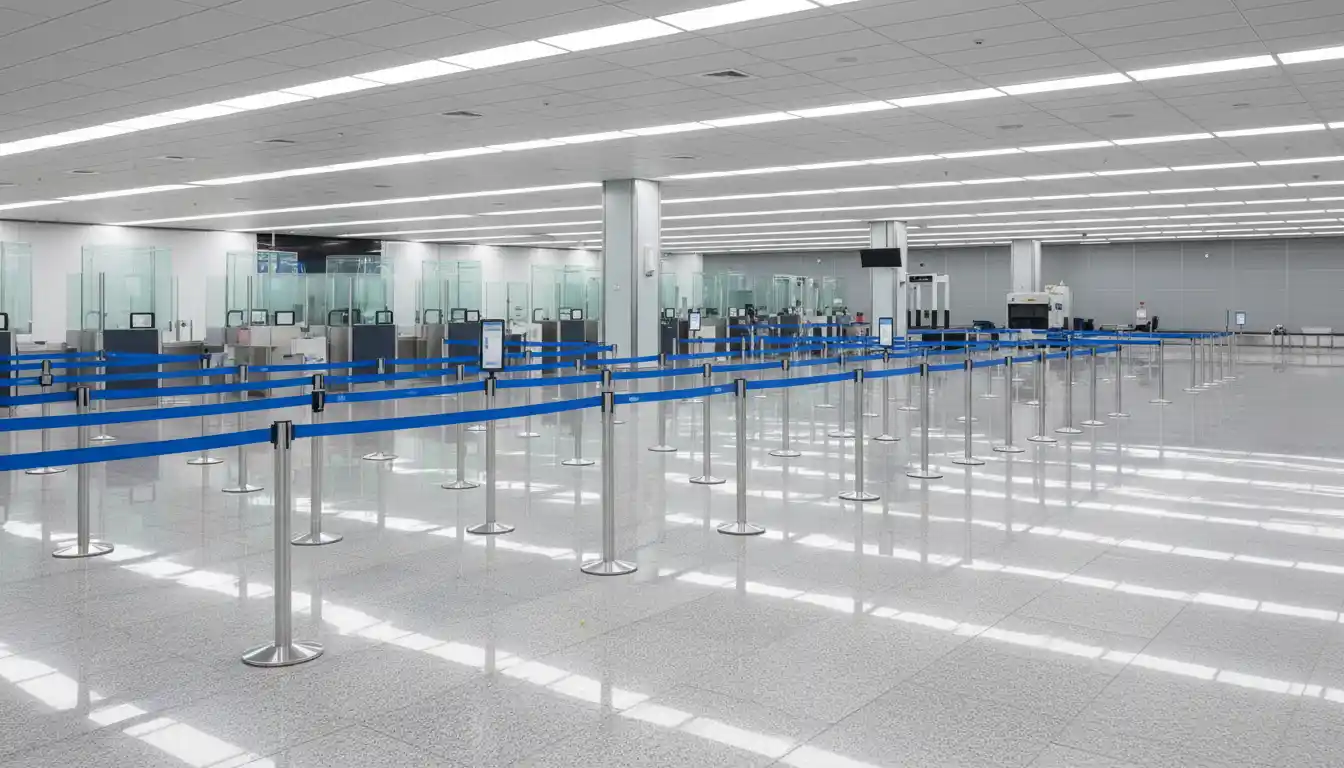
If you do have to go through customs, those lines can be extremely long to the point where you might miss your flight. The cons to laying over in an additional country are the lines.
If you have to go through an additional security check during a layover, remember that the 3-1-1 liquid rule will apply again. If you have purchased any water or any other type of liquid during your first flight, make sure that you throw it out. You can only have under 3.4 oz in one bag. Sometimes other countries are a lot more strict with their security than America. This is that point where if you overpacked your liquids, it will get thrown out; they are not messing around, especially in Europe.
For international flights, you also want to research the entry requirements for the country you have a layover at. Some countries may require you to have a Visa even if you are just passing through.
3. The Airport Matters
There is no doubt that some airports are better to connect through than others. Do not underestimate the size of an airport. Sometimes that next gate can be right next door, or sometimes it can be a 15-minute walk, or in another terminal.
For international flights, you should avoid London Heathrow if at all possible, only because the terminals for the most part are not connected, which means you have to take either a bus or train to get to the next terminal plus go through a security check. You should allow at least 90 minutes for a connecting flight there.
Other airports to avoid for tight connections include Paris Charles de Gaulle and Frankfurt. If you have to layover in an additional country, especially if it is a really big airport such as Paris, do not recommend under a 3-hour layover. It is so chaotic; you have to wait in so many lines, and people are yelling at each other.
Instead, Amsterdam, Munich, Madrid, Rome, and Zurich would be much better options.
If you are worried that your destination choice might lead to a stressful itinerary, you might want to read about whether is Hawaii overrated compared to European destinations with complex layovers.
4. Weather and Time of Year
You want to factor in the time of year and the weather that can occur during that specific time of year. In the US, for example, the worst airports for delays would be the three New York area airports (JFK, Newark, LaGuardia), Chicago O’Hare, San Francisco, and Boston. This is especially true during the winter months where snowstorms can greatly impact flights causing weather delays.
It is best to choose other airports such as Charlotte, Atlanta, Dallas, Houston, and Phoenix to connect through to avoid being delayed by a snowstorm. In the summer, it might be the opposite because of the threat of thunderstorms that tend to occur in the South.
Managing Your Luggage
If you are going to be checking luggage, booking a tight connection doesn’t give the best chance of your luggage making it on your connecting flight. You might be able to make the connecting flight, but it doesn’t mean your luggage will.
Your luggage first has to get unloaded among the many bags on your flight, go through a sorting process, and then get transferred to your next flight. If you are connecting through a major airport, this process can easily take 45 minutes or more depending on how busy the airport is.
Usually, when you check in, the gate agent will give you both boarding passes that you need during your flights to get to your final destination. They will always ask you if you want both boarding passes, and the answer is yes. If you are checking a bag, ask the person that is checking it if you are going to need to pick it up and recheck it during your layover or not.
Some countries, like the U.S., require you to collect your luggage, go through customs and immigration, and then recheck your luggage before proceeding to the next flight. All of which will require additional time to complete these steps.
Essential Tips for Surviving a Tight Connection
If you do find yourself having to book a tight connection, or if you are stuck with a 2-hour layover for international flights, here are strategies to help you make it.
Strategic Seating
Choose a seat near the front of the plane on your first flight. Even if you have to pay a little extra to do so, sitting near the front of the plane can save 5 to 10 minutes off your deplaning time, especially on larger airplanes.
Carry-On Only
Have a baggage plan for your connecting flight. If you find yourself with a tight connection, you might want to forgo taking a carry-on on the plane with you as this can slow you down. If you can get away with just taking a personal item bag, this will help you get to your next gate quickly without having to haul around a carry-on. If you hate the stress of packing and lugging bags, you might wonder if cruises are boring or if they are a better alternative to the stress of air travel logistics.
Immediate Action Upon Landing
My number one piece of advice is during your layover, immediately go to your next gate because you just never know. Once you get through security, go to the big huge board that says departures. Your gate is not always on your boarding pass and it is not always updated in your app. Do look for the flight that your layover is going to be at; do not look for your flight that is your final destination.
Immediately get off the flight, probably go to the bathroom real quick because you never know how long you’re going to be in line for. Then, immediately go through customs. Do not stop, do not shop, do not go to a restaurant. Immediately go to the Customs line and go towards your gate.
Avoid the Last Flight
Avoid the last connection of the day. If you miss the last flight of the day, the next flight will obviously require an overnight stay at the connecting airport. The best scenario is to book a morning flight so that you will have some opportunities to catch a later flight if you should miss your original connection.
The Role of Trusted Traveler Programs
This example is why Global Entry is such an amazing thing to get. Global Entry means that you are in a trusted traveler program within the United States. This means only when coming back into the US, not when coming into another country, you skip the line through customs.
You only have to do maybe about 5 minutes; they take your picture, recognize your face, and recognize your fingerprints. Your first point of entry coming back into the United States is where you have to clear Customs. Sometimes it’s 2 hours; if you have Global Entry, sometimes it’s 5 minutes.
Global Entry comes with PreCheck, so you don’t have to wait in the long security line either. It is only $100 for 5 years. Even if you do one international flight a year, it is so worth it. However, securing an interview can be tough. If you are struggling with the process, check out our guide on Global Entry no appointments available.
Layover Time Factors: A Quick Summary
To help you decide if a 2-hour layover is right for you, consult this table of factors.
Flight Connection Risk Factors
| Factor | Recommendation | Why? |
|---|---|---|
| Separate Tickets | 2-3 Hours Minimum | You must exit security, collect bags, recheck, and clear security again. |
| Single Ticket | 1.5 – 2 Hours | Bags transfer automatically; airline protects you if you miss the connection. |
| Large Hubs (Heathrow/CDG) | 3 Hours+ | Terminals are often not connected; requires buses/trains and security checks. |
| Winter Travel | Avoid Midwest/Northeast | Snowstorms cause significant delays in Chicago, Boston, and NYC. |
| Traveling with Kids | Add Extra Time | Kids are unpredictable regarding bathroom needs and meals. |
Conclusion
Is a 2-hour layover for international flights enough? The answer lies in the details of your itinerary. If you are on a single ticket, traveling through an efficient airport like Munich or Zurich, and are seated at the front of the plane, two hours is generally sufficient.
However, if you are flying through Paris Charles de Gaulle, booking separate tickets, or traveling during a snowstorm in Chicago, a 2-hour window is a recipe for stress and missed flights.
Direct flights are still the best option. If you have a can’t-miss event, spend a little more and book a direct flight or leave a day earlier to give yourself a buffer in case the worst happens. But if you must connect, follow the signs, ask someone for directions if you need to, and don’t underestimate the time it takes to navigate the world of international travel.
Safe travels!