Imagine this scenario. You are packing for the international trip of a lifetime, a multi-country adventure you have saved and planned for years. As you go through your travel checklist, you pull out your passport and do a final flip-through, only to be met with a horrifying realization: you have only one blank page left.
This single, overlooked detail could jeopardize your entire journey. Many travelers are completely unaware that when they apply for or renew their U.S. passport, they face a critical choice that has long-term consequences: selecting a standard book or a large one.
This decision, often a simple checkbox on a form, can be the difference between a decade of seamless travel and a future filled with urgent, expensive, and stressful renewal processes. Understanding the “large passport book vs standard” debate is not just for globetrotters; it’s essential knowledge for any U.S. citizen planning to travel internationally.
Decoding the Options: A Head-to-Head Comparison
One of the most common questions that comes up when filling out passport applications is simple, yet confusing: What is the difference between the Standard Book, the Large Book, and the Passport Card? When you are at the top of that form checking off what you need, it helps to know exactly what you are paying for and how it applies to your travel style.

Here is a breakdown of the differences to help you decide which one is right for you.
The Passport Card
The Passport Card costs approximately $30. For many, this card serves a specific purpose regarding identification. If you are operating as a US National and want to proclaim that status, this provides a tangible piece of physical ID. It allows you to utilize your “personal conveyance” (your vehicle) and gives you something official to hand over if asked for identification, establishing your right to travel.
Beyond identification, the card is designed for land and sea travel. It is valid for travel within the United States—remembering that each state operates like its own country with its own rules and statutes. It also allows you to cross the border into Canada and Mexico, and is valid for use on cruises, provided they are local. Basically, the Passport Card works anywhere your vehicle can carry you, or where you can travel by sea.
The Standard Passport Book
The Standard Book is exactly what it sounds like. It is smaller in size and contains a limited number of pages. This option is designed for the average citizen—someone who might travel internationally for a quick vacation here and there.
If you are traveling roughly five times a year or less, the Standard Book is likely all you need. The cost is generally around $130 to $160. It fits the needs of the majority of people who aren’t constantly hopping between continents.
The Large Passport Book
The Large Book is a different beast. It is physically huge and contains many more pages than the standard version. This is specifically for business travelers or anyone who travels frequently.
The main reason you would need the Large Book is to accommodate visa stamps. When you enter countries like Germany or travel through London, they often use very large stamps. You get one stamp when you enter and another when you leave. If you are traveling often, those large stamps will fill up a Standard Book very quickly. If you are a heavy traveler, you definitely want the Large Book to ensure you don’t run out of space.
International Travel: Books vs. Cards
Both the Standard and Large Passport Books are valid for international air travel. They allow you to go anywhere in the world permitted by the Department of State. While there are a few places in the world that may not welcome a US passport, about 95% to 99% of the globe is open for travel with these books.
However, the Passport Card has limitations. If you are planning on flying internationally, the card will not get you in; you must have a book.
Here is a quick comparison table based on the information provided to help you visualize the differences.
Passport Options at a Glance
| Feature | Passport Card | Standard Passport Book | Large Passport Book |
| Approximate Cost | ~$30 | ~$130 – $160 | Generally the same as Standard |
| Best For | Land & Sea travel; Backup ID | Average travelers (~5 trips/year) | Business & frequent travelers |
| Valid for Air Travel? | No | Yes | Yes |
| Key Destinations | Canada, Mexico, Cruises, Domestic | Global International Travel | Global International Travel |
| Format & Size | Wallet-sized ID card | Smaller book with limited pages | Larger book with many pages |
| Primary Benefit | Great for “personal conveyance” & local borders | Sufficient for most vacationers | Space for large entry/exit stamps |
The Frequent Traveler’s Curse: Why Page Count is Critical
For a casual tourist who takes one international trip every few years, a standard 28-page passport is usually sufficient. But for anyone else, the risk of running out of space is a serious and often underestimated problem. The pages in a passport get used for more than just entry and exit stamps.
Many countries require a full, blank page for a visa sticker, sometimes taking up an entire page for a single entry. If you are planning a backpacking trip through Southeast Asia or a business tour across multiple African nations, your passport pages will disappear much faster than you anticipate.
This issue primarily affects a few key groups of travelers. Business professionals who travel for work, expatriates living abroad, and digital nomads are prime candidates for the 52-page book. So are adventure travelers embarking on complex journeys; some multi-country tours through remote regions, like those offered by The Clymb Adventures, can require several visas and will quickly consume passport real estate.
The Hidden Penalties of a Standard Passport
Choosing the standard book and running out of pages is more than an inconvenience; it’s a costly mistake. In the past, it was possible to have additional visa pages sewn into a full passport. However, the U.S. Department of State discontinued this service in 2016 to enhance security.
Now, if you run out of pages, your only option is to apply for a completely new passport, regardless of how much time was left on your old one. This means paying the full application and execution fees all over again. If you are abroad, this requires a visit to a U.S. embassy or consulate, which can be time-consuming and disrupt your plans.
Furthermore, many countries enforce a strict rule requiring that your passport has at least two to four blank pages available for entry. A traveler could be denied boarding at the airport or turned away by immigration officials upon arrival simply for not having enough empty pages, even with a valid visa. This makes the upfront choice of a larger book a powerful form of travel insurance.
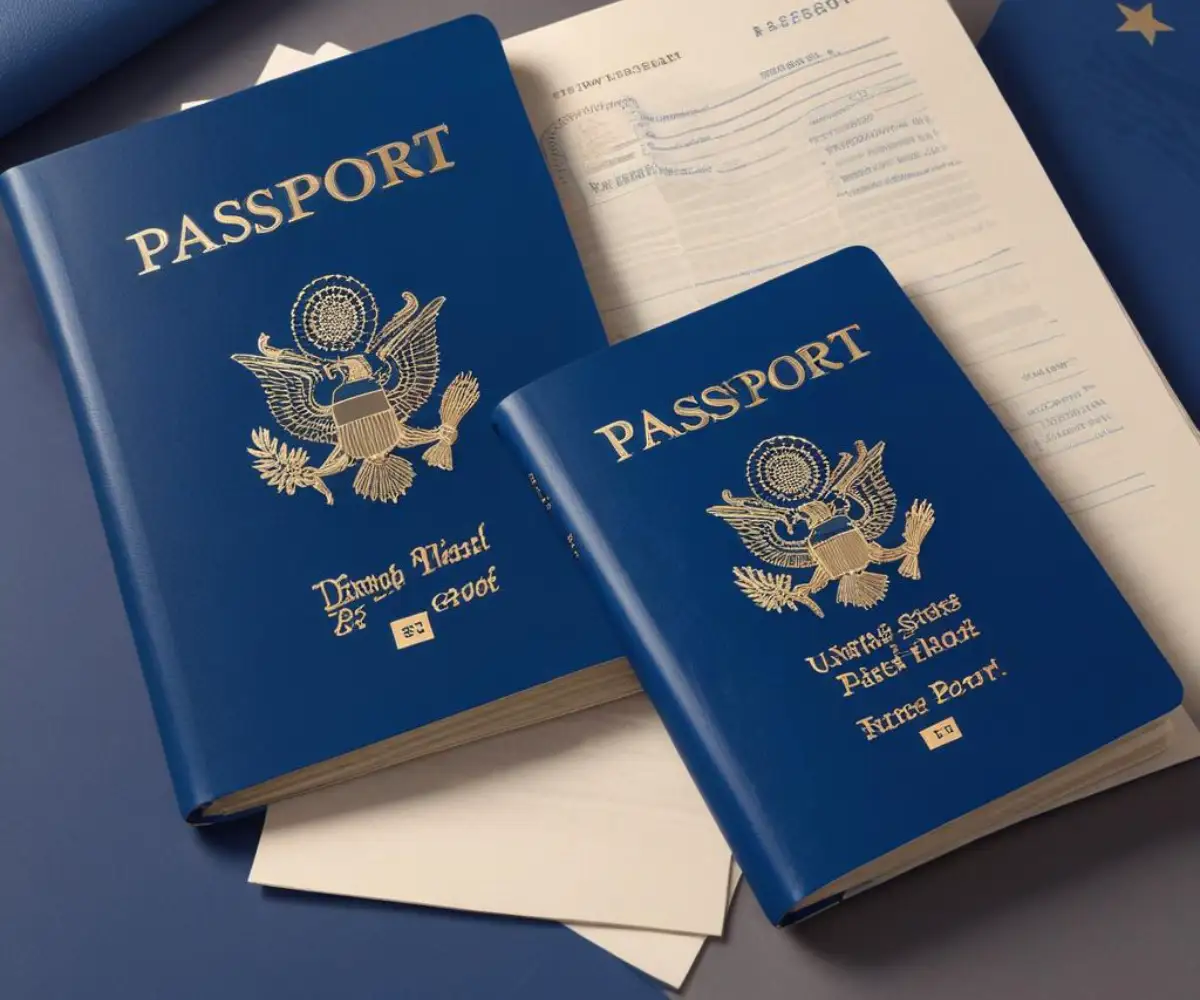
How to Get a Large Passport Book: The Simple Step Everyone Misses
Securing a 52-page passport is incredibly simple. The challenge is that many people do not even know it is an option. The key is to be proactive during the application or renewal process.
When filling out the passport application form, whether it’s Form DS-11 for new applicants or Form DS-82 for renewals, you simply need to check the box for the “52-page” book. There is no special justification required and no additional fee to pay. It is a free upgrade available to every citizen.
This single checkmark ensures you receive a passport with ample space for a decade of travel. It is a small, easy step that prevents a massive future headache and saves you from ever having to cut a trip short because of a full passport book.
Busting Common Myths About the 52-Page Passport
Several misconceptions float around online forums that might cause travelers to hesitate. It is important to separate fact from fiction. The most common myth is that the large book costs more, which is definitively false for U.S. applicants.
Another concern is that a thicker passport will draw unwanted attention from immigration officials or make the holder look like a spy. This is unfounded; large passports are extremely common among business travelers, journalists, and diplomats. Border agents are used to seeing them and view them as a sign of a seasoned, legitimate traveler.
Finally, some worry about the bulkiness. While the 52-page book is thicker, the difference is marginal. It fits perfectly into standard passport holders, travel wallets, and pockets without any issue.
Beyond the Pages: Strategic Considerations for Global Citizens
For those who live, work, or invest internationally, a passport is more than a travel document. It is a foundational piece of identification used for everything from opening bank accounts to signing a lease. Ensuring this document remains continuously valid for its full 10-year term is a major logistical advantage.
A premature renewal due to a lack of pages can disrupt visa applications and residency permits that are tied to your existing passport number. This long-term strategic thinking is crucial for global citizens.
For expats or digital nomads considering a permanent base, even stateside, this forward-thinking applies. Understanding the stability and long-term value in different markets, such as asking why are houses so cheap in Memphis, is part of the same skill set: planning ahead to maximize value and minimize future complications. Your passport choice fits directly into this philosophy.
Frequently Asked Questions
What’s the main difference between a large passport book and a standard one?
The primary distinction is the number of pages. A large passport book contains 52 pages, whereas a standard passport book has 28 pages. This gives frequent travelers significantly more space for visas and entry or exit stamps.
Does the large passport book cost more?
No, there is no extra cost for the large passport book. Both the standard and large options are available for the same application fee when you apply for a new passport or renew an existing one.
Who should consider getting a large passport book?
Frequent international travelers, such as business professionals or avid globetrotters, should consider the large passport book. It is also recommended for those who plan to visit countries that require full-page visas for entry.
Are the large and standard passport books physically different?
Besides the page count, the books are nearly identical in appearance, sharing the same cover and security features. The large passport is slightly thicker and may be a tighter fit in some passport wallets.
Can I get extra pages added to my passport if it fills up?
No, the service of adding extra visa pages to a U.S. passport was discontinued. If your passport pages are full, you will need to apply for a new passport, which makes selecting the 52-page book a proactive choice for frequent travelers.
The Final Verdict: Is the Large Passport Book Right for You?
The choice between a standard and large passport book ultimately comes down to your travel habits and future aspirations. Since the 52-page book is available at no extra cost, the decision carries no financial risk. The only question to ask is whether there is any downside to having more pages than you need.
Consider this simple checklist to make your decision:
- Do you anticipate taking more than two international trips per year?
- Do your travel plans include countries that require full-page visas?
- Are you a business traveler, an expat, or a digital nomad?
- Do you want the peace of mind that comes from knowing you will not run out of pages for a full decade?
If you answered yes to any of these questions, the large passport book is the unequivocally correct choice. It is the smarter, safer, and more convenient option for nearly every traveler. The next time you apply for a passport, do not overlook that small checkbox—it is one of the most impactful travel decisions you will ever make.