If a flight is operated by another airline company, it’s called code-sharing and is a pretty common thing in the modern aviation industry. There are different cases of code-sharing. In the complex world of aviation, no airline can operate every possible route or serve every potential market. To bridge these gaps and expand their reach, airlines use strategic partnerships like code-sharing and interlining.
These arrangements are the unseen backbone of global connectivity, enabling passengers to seamlessly book and travel across multiple airlines, often without realizing the intricacies behind the scenes. While similar in purpose, code-sharing and interlining operate differently and serve distinct roles in airline strategy.
Understanding the “Operated By” Concept
There are tons of questions about this “operated by” thing, and you need to understand how the code-sharing happens. So, there are two companies involved in the service that you get. In most cases, there is a company that sells tickets, for example, Ryanair, and the company that completes the actual flight, so it operates the plane, for example, Lauda Motion.
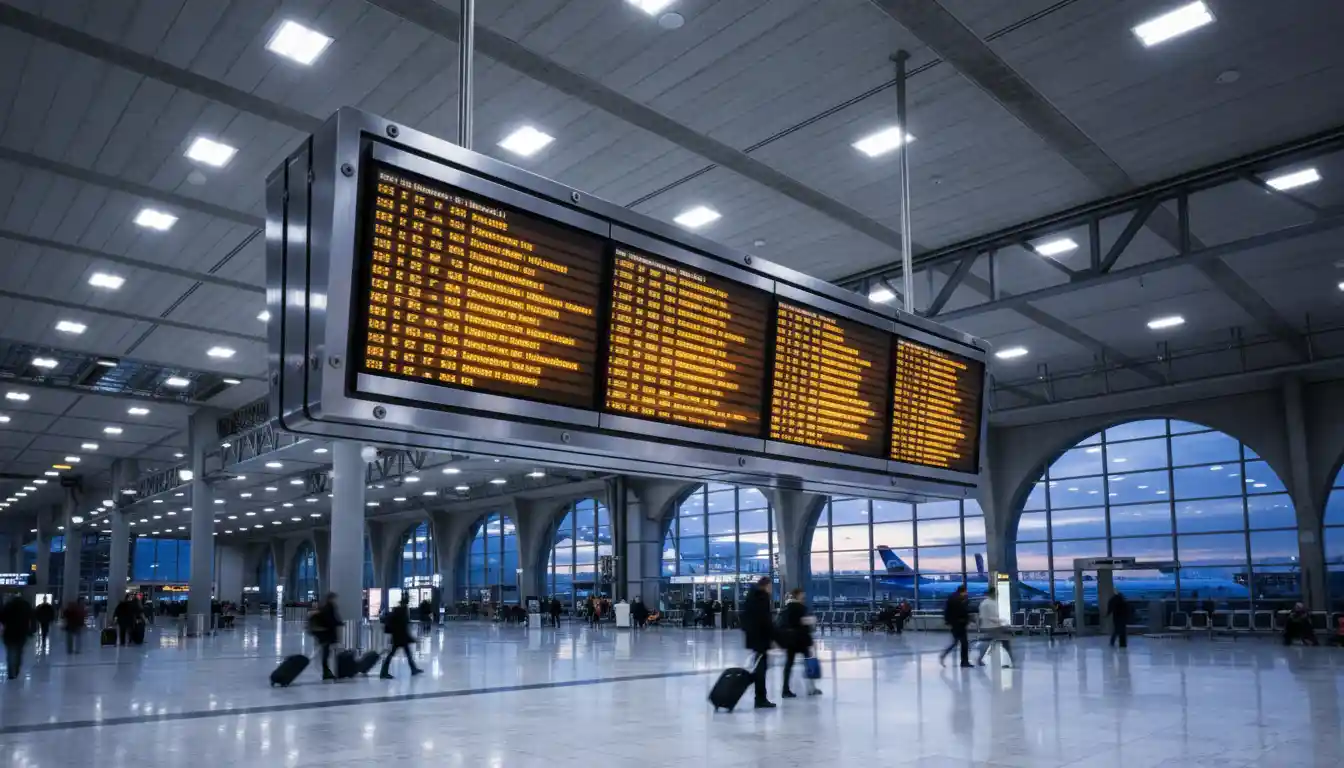
Let’s imagine that you buy your ticket at the Ryanair website. It means that the flight rules, luggage policies, and check-in desks at the airport will all be the responsibility of Ryanair unless they clearly give you other instructions. If you need a refund, cancelation, or you need to edit the details in your ticket prior to your flight, you’ll be contacting Ryanair in this case.
But the plane, in this example, will not belong to Ryanair. It will belong to the company Lauda Motion or whatever other company is indicated in your ticket after the words operated by another airline. So, the company that is actually responsible for your flight is Lauda Motion. The pilots and the stewards will all work for Lauda Motion Company.
Still, it’s pretty interesting that if you have a problem during the flight and want to get compensation, you will need to send your request to Ryanair. It will be their problem to investigate the case with Lauda Motion and pay you compensation or go to court with you if they disagree.
Code-Sharing: Expanding Reach and Convenience
Code-sharing is one of the most visible and widely used forms of partnership in the airline industry. It allows two or more airlines to share a single flight, with each airline selling tickets under its own flight number and branding. For example, a flight from Tokyo to Los Angeles operated by ANA might also be sold as a United Airlines flight, complete with a United flight number.
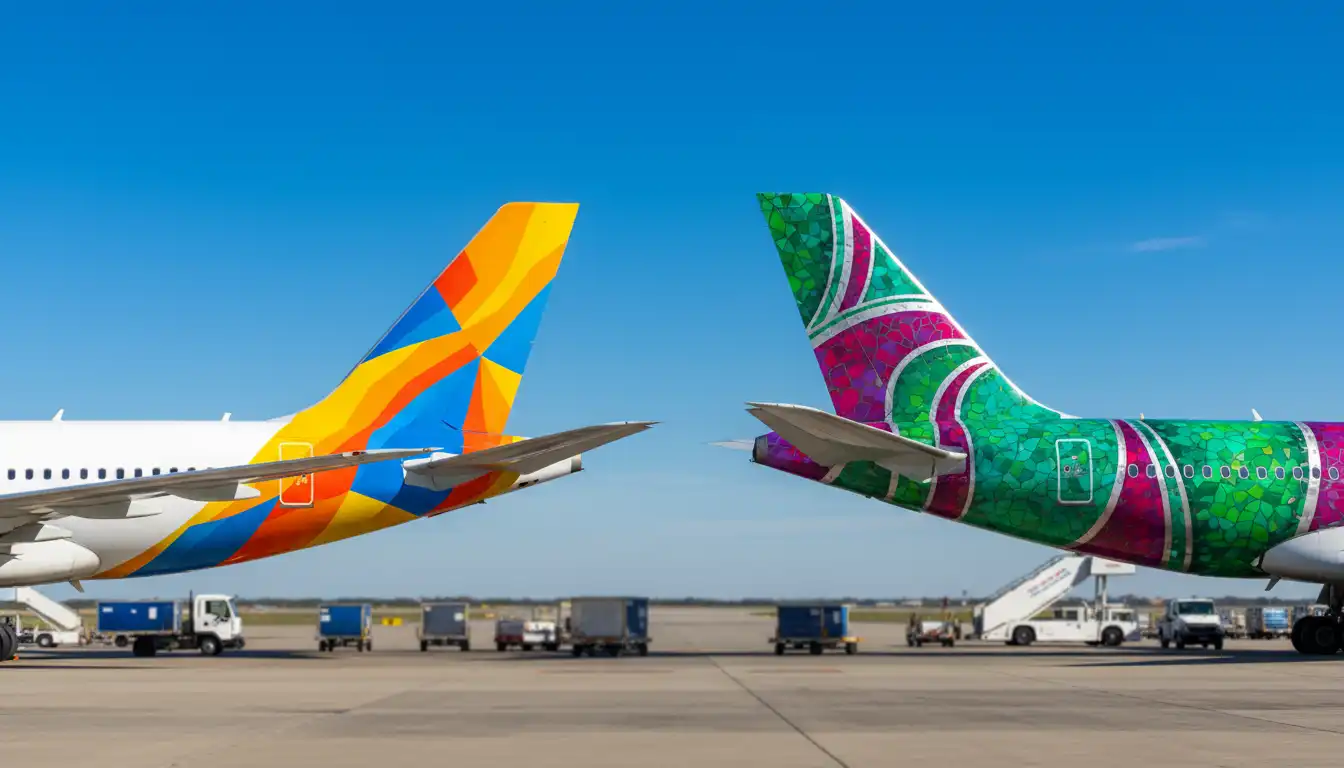
This arrangement allows airlines to market routes they don’t operate themselves, giving passengers more options and better connectivity. For airlines, code-sharing is a powerful tool for network expansion without the need for additional aircraft, crew, or infrastructure.
Consider American Airlines and Qatar Airways, both members of the Oneworld Alliance. By code-sharing, American Airlines can offer its passengers access to Qatar Airways’ extensive network in the Middle East, Africa, and Asia, while Qatar Airways benefits from greater visibility and bookings in the US market. This win-win arrangement helps airlines serve more destinations and attract passengers who value convenience and seamless travel.
How Passengers Benefit
Passengers benefit from code-sharing as well. They can book a single ticket that combines flights from multiple airlines, often with coordinated schedules to minimize layovers. For example, travelers flying from a small US city to a remote destination in Asia might book a ticket combining a domestic leg on American Airlines with an international leg on Japan Airlines. Because of the code-sharing agreement, the booking process is straightforward, and the traveler enjoys a unified experience despite flying on two different carriers.
Sometimes, the company just doesn’t have a vacant plane or there was a technical problem, and they will hire another company to operate the flight for them. But it’s also possible that several companies are all selling tickets to a certain flight. For example, Qatar Airways operates the flight from London to Doha, but you may buy the ticket to that plane from various companies including British Airways, Qatar Airways, KLM, or even United.
You will still be using Qatar Airways service, but the price for your ticket may dramatically differ depending on the seller of the ticket. However, the first way of code-sharing, when companies just hire other companies to help them out, is way more common currently.
Interlining: The Invisible Glue of Global Travel
Interlining, while less visible to passengers, plays a similarly important role in global aviation. It allows airlines to create agreements for transferring passengers and their baggage between carriers, even if there’s no formal alliance or code-sharing relationship.
For example, a passenger flying from Nairobi to Buenos Aires might book a ticket that combines Kenya Airways and LATAM Airlines through an interline agreement. These carriers coordinate baggage handling and transfer processes, ensuring a smooth journey. Unlike code-sharing, interlining doesn’t involve shared flight numbers or joint marketing; instead, it focuses on operational cooperation.
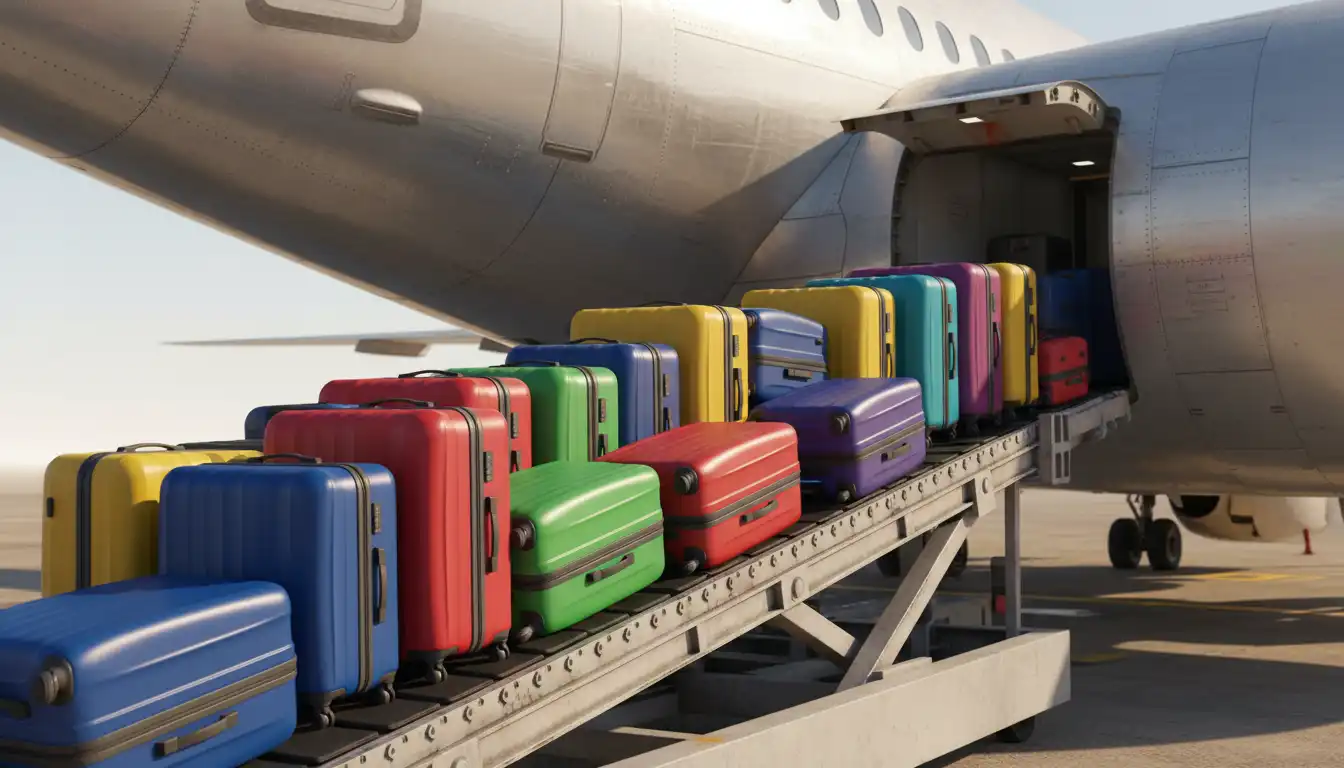
This makes interlining particularly useful for connecting airlines that don’t have a direct partnership but still want to serve the same passengers. Smaller regional airlines, in particular, rely heavily on interlining to funnel passengers into the networks of larger international carriers.
The history of interlining dates back to the early days of aviation when global air travel was fragmented, and passengers often needed to book separate tickets for each leg of their journey. The introduction of interline agreements streamlined this process, allowing passengers to book multiple flights with different airlines under a single ticket. Over time, the industry adopted the IATA Standard Interline Agreement, which formalized rules for baggage transfers, schedule coordination, and fair-sharing arrangements.
The Role of Airline Alliances
Both code-sharing and interlining have evolved significantly in the modern aviation landscape. Airline alliances like Star Alliance, Oneworld, and SkyTeam have made these partnerships more integrated and seamless. Within an alliance, airlines often code-share and interline extensively, ensuring passengers have access to a unified network spanning hundreds of destinations.
For example, Lufthansa and United Airlines, both members of Star Alliance, combine code-sharing and interlining to provide passengers with a cohesive travel experience across Europe and North America. The competitive benefits of code-sharing and interlining are immense. Airlines can attract more passengers by offering greater connectivity and convenience, even to destinations they don’t directly serve. For smaller airlines, these agreements provide access to a global customer base, helping them stay competitive in a market dominated by larger carriers.
Challenges and Considerations
But these arrangements also come with challenges. Code-sharing requires extensive coordination between airlines to align schedules, ensure consistent service standards, and manage revenue-sharing agreements. Misalignment in any of these areas can lead to delays, missed connections, or passenger dissatisfaction.
Interlining, meanwhile, depends on efficient baggage handling and communication between carriers. If one airline fails to transfer luggage properly or communicates poorly during disruptions, the entire passenger experience can be compromised. If you are worried about tight connections, you might ask, is a 2 hour layover enough for an international flight when switching between partner airlines?
Disruptions like delays or cancellations highlight the complexity of these partnerships. In a code-sharing scenario, passengers may not realize that their flight is operated by another airline until they arrive at the gate. If a problem arises, such as a delay or rebooking need, it’s not always clear which airline is responsible for resolving the issue, leading to frustration. Interline passengers may face similar challenges when transferring between carriers with differing policies or operational practices.
Navigating the Airport Experience
When you arrive at a destination served by a partner airline, logistical questions often arise. For instance, upon landing, you might wonder, do I need to rent a car in Nassau Bahamas, or does the partner airline offer shuttle services?
Despite these challenges, the benefits of code-sharing and interlining far outweigh the risks. These agreements have transformed aviation into a truly global industry, allowing airlines to collaborate in ways that improve connectivity and convenience for passengers. Without these partnerships, travelers would face far more fragmented and cumbersome journeys with fewer options and higher costs.
Comparison of Partnership Types
| Feature | Code-Sharing | Interlining |
|---|---|---|
| Visibility | High (Shared flight numbers) | Low (Operational backend) |
| Marketing | Joint marketing & branding | No joint marketing |
| Flight Numbers | One flight, multiple numbers | Separate flight numbers |
| Ticket Booking | Single ticket, sold by partners | Single ticket, separate legs |
| Baggage Transfer | Generally seamless | Coordinated transfer rules |
| Primary Goal | Network expansion & marketing | Passenger & bag transfer |
The Invisible Glue of Connectivity
For passengers, the seamless experience enabled by code-sharing and interlining often feels invisible. Booking a single ticket for a multi-leg journey or seeing one airline’s logo on a flight operated by another airline has become commonplace. But behind the scenes, these partnerships represent a complex web of agreements, logistics, and coordination.
The next time you embark on a journey involving multiple airlines, take a moment to appreciate the effort that goes into making it seamless. Whether it’s a code-shared flight that expands your booking options or an interline agreement that ensures your bag arrives at the final destination, these partnerships are a testament to the power of collaboration in aviation. They’re the invisible glue that keeps the world connected, one flight at a time.