Planning a trip to two of Asia’s most dynamic countries, South Korea and Japan, in just two weeks can feel like an impossible puzzle. Many travelers dream of experiencing the electric energy of Seoul and the timeless grace of Kyoto, but the logistics are daunting. The core problem is simple: how do you experience the best of both nations without feeling rushed, overwhelmed, and constantly in transit?
This meticulously crafted itinerary solves that problem. It’s designed not just as a list of places to go, but as a strategic plan that maximizes your time, minimizes stress, and immerses you in the unique cultural dialogue between these fascinating neighbors. Forget chaotic planning; this guide is your key to an unforgettable 14-day adventure through ancient palaces, futuristic cityscapes, and incredible culinary landscapes.
Why a Combined Korea and Japan Trip is the Ultimate Asian Adventure
South Korea and Japan offer a stunning study in contrasts and complements. Seoul is a city that never sleeps, defined by its passionate K-pop culture, futuristic technology, and bold, spicy cuisine. It moves at a breakneck pace, yet its heart is rooted in centuries of dynastic history.
Conversely, Japan gracefully balances its own hyper-modernity with profound respect for tradition. You can ride a 200-mph bullet train to Kyoto and then spend an afternoon in a tranquil Zen garden that has remained unchanged for centuries. This itinerary is built to highlight these beautiful dualities, creating a richer, more profound travel experience.
Before You Go: Essential Pre-Trip Planning
A smooth journey begins long before you board the plane. Nailing down these key logistics will save you time, money, and headaches on the road, turning a good trip into a great one.
Visas, Flights, and Transportation
Most travelers from Western countries, including the United States, UK, Canada, and Australia, can enter both South Korea and Japan visa-free for up to 90 days. Always double-check the latest requirements for your specific nationality before booking.
The most crucial tip for flights is to book an open-jaw ticket. This means you fly into one country and out of the other (e.g., fly into Seoul’s Incheon Airport (ICN) and fly out of Tokyo’s Narita (NRT) or Haneda (HND) Airport). This prevents you from wasting a precious day backtracking. For US travelers, ensuring your Global Entry application’s employment history is current can make your return journey through customs significantly faster and smoother.
Accommodation: Where to Stay for Maximum Efficiency
Your choice of neighborhood can make or break your daily logistics. In each city, staying near major public transport hubs is essential.
- Seoul: Stay in Myeongdong for shopping and street food at your doorstep, or Hongdae for a younger, more energetic vibe.
- Kyoto: Base yourself near Gion to be close to traditional sights, or Downtown Kyoto (Kawaramachi) for excellent transport links and restaurants.
- Tokyo: Shinjuku and Shibuya are unparalleled for their transport connections, food scenes, and vibrant energy, making them ideal bases for exploration.
Packing Smart: Less is More
You will be moving between cities and countries, so pack light. Comfortable walking shoes are non-negotiable, as you will likely walk several miles a day. Pack layers, as weather can be unpredictable, a universal power adapter, and a portable power bank.
A pro-tip for navigating Japan’s extensive train system is to utilize the coin lockers found in every major station. For a few hundred yen, you can store your luggage for the day, allowing you to explore a new city unencumbered before checking into your hotel.
The Ultimate 14-Day Korea and Japan Itinerary
This schedule is designed for a brisk but manageable pace. The suggested split is 5 days in South Korea, 1 efficient travel day, and 8 days in Japan, offering a comprehensive highlights tour of each country.
Part 1: The Soul of Seoul (5 Days in South Korea)
Day 1: Arrival and Immersion in Myeongdong
Arrive at Incheon International Airport (ICN), clear immigration, and pick up a T-money card for seamless public transport. Take the AREX express train to Seoul Station and transfer to your hotel. Spend the evening diving headfirst into the sensory overload of Myeongdong, where you can sample endless varieties of street food, from tteokbokki (spicy rice cakes) to tornado potatoes, and shop for world-famous Korean skincare products.
Day 2: Royal Palaces and Traditional Culture
Start your day at Gyeongbokgung Palace, the grandest of Seoul’s five royal palaces. Rent a colorful hanbok (traditional Korean dress) from a nearby shop for free entry and stunning photos. Afterward, wander through the charming, traditional alleyways of Bukchon Hanok Village, which offers picturesque views of modern Seoul juxtaposed with historic homes.
Day 3: A Glimpse into North Korea (DMZ Tour)
Book a guided tour to the Demilitarized Zone (DMZ), the heavily fortified border separating North and South Korea. This sobering and fascinating experience provides incredible insight into the history of the Korean War and the ongoing political tensions. You’ll visit the Third Infiltration Tunnel and gaze across the border into North Korea from the Dora Observatory.
Day 4: The Energy of Modern Seoul
Explore the upscale district of Gangnam and visit the iconic COEX Starfield Library, a breathtaking public space with floor-to-ceiling bookshelves. In the afternoon, head to Hongdae, the neighborhood surrounding Hongik University, known for its indie music scene, quirky cafes, and vibrant street art. It’s the perfect place to feel the pulse of modern Korean youth culture.
Day 5: Culinary Exploration and Departure Prep
Spend your final morning in Korea at Gwangjang Market, one of the oldest and largest traditional markets in the country. This is a paradise for food lovers, where you can try authentic dishes like bindaetteok (mung bean pancakes) and mayak gimbap (miniature seaweed rice rolls). Use the afternoon for any last-minute souvenir shopping before preparing for your morning flight to Japan.
The “Golden Move”: Mastering Your Travel Day from Seoul to Japan
This isn’t a “lost day”; it’s a strategic transition. Book an early morning flight from Seoul’s Gimpo Airport (GMP) to Osaka’s Kansai International Airport (KIX). GMP is much closer to the city center than ICN, saving you valuable time. Upon landing in Japan, clear immigration, activate your Japan Rail (JR) Pass if you have one, and board a direct train to Kyoto. You’ll be checked into your Kyoto hotel by late afternoon, ready to explore.
Part 2: The Heart of Tradition and Modernity (8 Days in Japan)
Day 6: Kyoto’s Timeless Beauty
After settling in, take a gentle evening stroll through Gion, Kyoto’s famous geisha district. With its preserved wooden machiya houses, traditional teahouses, and paper lanterns, it feels like stepping into another era. If you’re lucky, you might spot a geiko (Kyoto dialect for geisha) or maiko (apprentice geisha) on her way to an appointment.
Day 7: Iconic Shrines and Temples
Wake up early to visit the Fushimi Inari Shrine and walk through its thousands of vibrant red torii gates before the crowds arrive. In the afternoon, visit Kinkaku-ji, the stunning Golden Pavilion, whose top two floors are completely covered in gold leaf, creating a breathtaking reflection in the surrounding pond.
Day 8: The Serene West of Kyoto
Travel to the western outskirts of Kyoto to explore the enchanting Arashiyama Bamboo Grove. The feeling of walking among the towering stalks of bamboo is truly otherworldly. Nearby, visit the UNESCO World Heritage site of Tenryu-ji Temple, known for its magnificent landscape garden.
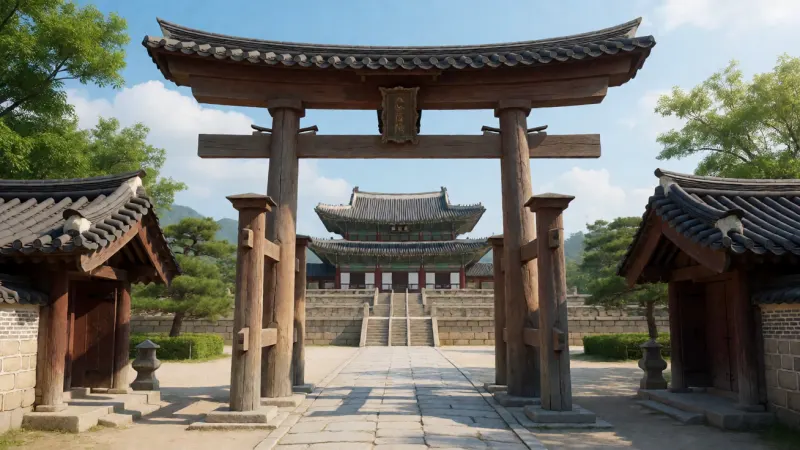
Day 9: Bullet Train to the Future: Tokyo
Experience the speed and efficiency of the Shinkansen (bullet train) as you journey from Kyoto to Tokyo. Upon arrival, check into your hotel in Shinjuku. For the evening, explore the vibrant area around the station, with its endless dining options and dazzling neon lights.
Day 10: The Electric Buzz of Central Tokyo
Start your day with a moment of peace at Shinjuku Gyoen National Garden, a beautiful oasis in the heart of the bustling city. For incredible free views of the cityscape, head to the observation decks of the Tokyo Metropolitan Government Building. In the evening, experience the world-famous controlled chaos of Shibuya Crossing, the busiest intersection on the planet.
Day 11: Culture, Pop, and Tradition
Visit the peaceful and majestic Meiji Jingu Shrine, dedicated to the deified spirits of Emperor Meiji and his wife. Afterward, dive into the colorful and quirky youth fashion of Takeshita Street in Harajuku. For a more sophisticated experience, stroll down the elegant, tree-lined avenue of Omotesando, often referred to as Tokyo’s Champs-Élysées.
Day 12: Tech, Temples, and Otaku Culture
Explore the historic district of Asakusa, home to the ancient Senso-ji Temple, Tokyo’s oldest temple. Then, travel to Akihabara, the world’s epicenter for anime, manga, and gaming culture. Known as “Electric Town,” it’s a dazzling spectacle of multi-story arcades, electronics shops, and themed cafes.
Day 13: A Day Trip or Deeper Dive
Choose your own adventure today. Take a day trip to Hakone for a chance to see the iconic Mount Fuji and enjoy a cruise on Lake Ashi. While a day trip to Hakone offers iconic views, those who enjoy mountain retreats similar to destinations like Big Bear will find it particularly rewarding. Alternatively, stay in Tokyo and explore another fascinating neighborhood like the upscale shopping district of Ginza or the art-filled hub of Roppongi.
Day 14: Final Souvenirs and Departure
Spend your last morning picking up any final souvenirs or enjoying one last delicious Japanese meal. Afterward, take the Narita Express or Limousine Bus to Narita (NRT) or Haneda (HND) Airport for your flight home, filled with memories of an incredible two-week journey.
Budgeting for Your 2-Week Adventure
A trip like this can be tailored to various budgets. The biggest variables will be your choice of accommodation and dining style. Here is a sample breakdown to help you plan your finances effectively.
| Expense Category | Budget (Per Person) | Mid-Range (Per Person) | High-End (Per Person) |
|---|---|---|---|
| International Flights (Round Trip) | $1000 – $1500 | $1500 – $2000 | $2500+ |
| Intra-Asia Flight (Seoul to Osaka) | $100 – $150 | $150 – $250 | $300+ |
| Accommodation (13 nights) | $650 ($50/night) | $1625 ($125/night) | $3900+ ($300+/night) |
| Transportation (JR Pass, Metros) | $350 | $500 | $700+ |
| Food & Drink | $560 ($40/day) | $1120 ($80/day) | $2100+ ($150+/day) |
| Activities & Entrance Fees | $200 | $400 | $600+ |
| Total Estimated Cost | $2860 – $3360 | $5295 – $5895 | $12100+ |
Pacing Your Trip to Avoid Burnout: A Critical Strategy
Many itineraries for multi-country trips are packed so tightly that they become exhausting rather than enjoyable. The key to success is building in moments of rest and embracing a more flexible mindset. Don’t schedule every single minute of your day; leave room for spontaneous discoveries.
This itinerary is designed with that philosophy in mind. Notice that most days focus on one or two key neighborhoods rather than crisscrossing the entire city. This reduces travel time and allows for deeper, more meaningful exploration.
To truly recharge, consider incorporating a uniquely local relaxation experience. In Seoul, spend an evening at a jjimjilbang (Korean spa) to enjoy various saunas and hot baths. In Japan, if your schedule allows for a trip to Hakone, soaking in a traditional onsen (hot spring bath) is an essential and deeply restorative cultural experience.
Expert Tips for a Seamless Journey
A few insider tricks can dramatically improve your travel experience, making it smoother and more enjoyable from start to finish.
Connectivity and Navigation
Staying connected is vital for navigation. Renting a pocket Wi-Fi device at the airport is often the most convenient and cost-effective option for groups. Alternatively, purchasing an eSIM online before your trip allows you to activate data service the moment you land. Google Maps is indispensable for navigating the complex public transit systems in both countries.
Money Matters
The currency in South Korea is the Won (KRW), and in Japan, it is the Yen (JPY). In Korea, credit cards are widely accepted almost everywhere. In Japan, while major hotels and department stores accept cards, it is still very much a cash-based society, especially at smaller restaurants, markets, and temples. Always carry a sufficient amount of Yen with you.
Cultural Etiquette
A little cultural awareness goes a long way. In both countries, being loud on public transportation is considered rude. In Japan, tipping is not customary and may even be refused. When giving or receiving items, such as money or a business card, it is polite to use two hands. A simple bow is a common sign of respect.
Final Thoughts: Is Two Weeks Enough?
Let’s be clear: two weeks is not enough time to see everything in South Korea and Japan. It is, however, the perfect amount of time to get a fantastic and meaningful taste of what makes each country so special. This itinerary is a highlights reel, designed to showcase the incredible diversity of the region and leave you with a burning desire to return.
Embarking on a journey like this can be a life-changing experience, often inspiring bigger adventures. For some, it’s the first step after deciding to quit your job and travel in your 30s. By following this guide, you can confidently navigate the complexities of a two-country trip, creating memories that will last a lifetime.