You’re ready to book a hotel for your next trip, but you hit a familiar snag. As you proceed to payment, you find yourself digging through your wallet for a physical credit card, meticulously typing in the 16-digit number, expiration date, and security code. This process feels outdated and clunky in an era of one-tap digital payments.
The core problem is the hospitality industry’s slow adoption of modern payment technologies like Google Pay. This leaves tech-savvy travelers feeling frustrated and inconvenienced, forcing them to revert to traditional payment methods that are less secure and more cumbersome. The uncertainty of whether a hotel will accept your preferred digital wallet adds unnecessary stress to travel planning.
The Digital Wallet Revolution: Why Your Hotel Search Needs an Upgrade
The world is rapidly moving towards contactless payments, a shift accelerated by the demand for safer, more hygienic, and convenient transaction methods. Digital wallets like Google Pay are at the forefront of this change, offering a secure and effortless way to pay. For hotels, embracing these technologies means faster check-ins, reduced administrative errors, and an enhanced guest experience that caters to modern traveler expectations.
However, the transition isn’t universal. Many hotels still operate on legacy systems that are not equipped to handle NFC or digital wallet payments. This gap between consumer expectation and industry capability is a significant pain point for travelers who have grown accustomed to the simplicity of tapping their phone to pay.
Why Aren’t All Hotels on Board?
Several factors contribute to the slow uptake of Google Pay in the hotel industry. Some smaller independent hotels may lack the technical infrastructure or resources to upgrade their point-of-sale (POS) systems. Others may have concerns about transaction fees or simply underestimate the growing demand from guests for these modern payment options.
This creates a fragmented landscape where a traveler can use Google Pay for their flight and ride-share but must pull out a plastic card at the hotel front desk. This inconsistency disrupts the otherwise seamless digital travel experience that modern consumers crave.
Unlocking Your Next Stay: How to Find Hotels That Accept Google Pay
Finding hotels that welcome Google Pay doesn’t have to be a game of chance. With the right strategies, you can easily identify and book accommodations that align with your payment preferences, ensuring a smooth and secure transaction from start to finish. These methods empower you to take control of your booking process.
From leveraging major booking platforms to using specific search techniques, the power to find a compatible hotel is at your fingertips. By adopting these approaches, you can save time and avoid the frustration of a declined digital payment upon arrival.
Method 1: Leveraging Major Booking Platforms
Many of the largest Online Travel Agencies (OTAs) have integrated Google Pay into their platforms. Websites and apps like Booking.com, Expedia, and Priceline often support digital wallet payments for prepaid “Pay Now” bookings. The key is to look for the Google Pay logo or option during the checkout process.
When searching on these platforms, proceed to the final payment page to see the accepted methods. If Google Pay is an option, you can complete your booking in seconds without manually entering card details. It’s worth exploring different OTAs, as availability can vary; for example, if you’re wondering, is Agoda legit, you’ll find it often supports a wide array of modern payment options for its extensive listings.
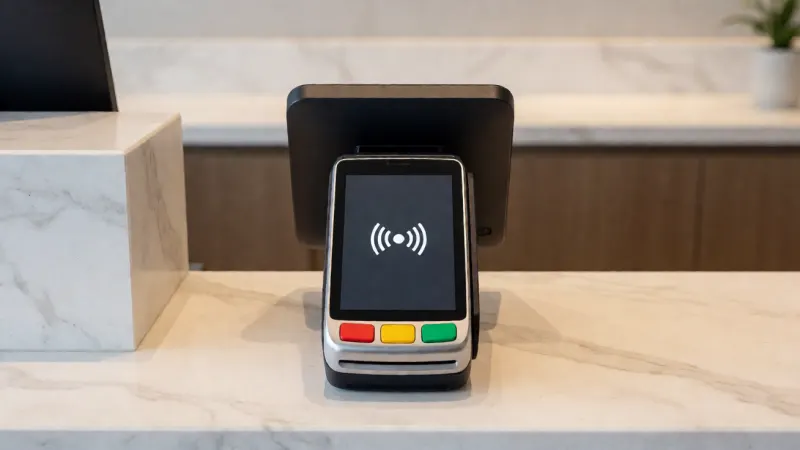
Method 2: Directly on Hotel Websites
Major hotel chains are increasingly integrating Google Pay directly into their own websites and mobile apps. Brands like Hilton, Hyatt, and Marriott have recognized the demand for seamless payments and often allow guests to book and pay using their digital wallets. This is especially common within their loyalty program apps, where your payment information can be securely stored.
When booking directly, navigate to the payment section of the reservation form. Look for the “G Pay” button or icon as a payment choice. Booking direct not only confirms Google Pay acceptance but can also offer benefits like loyalty points and exclusive member rates.
Method 3: Using Google and Google Maps
Google itself is a powerful tool for finding compatible hotels. When you search for hotels in Google Search or browse options in Google Maps, the booking module will often display payment information. Google’s own hotel booking platform frequently supports Google Pay, making it one of the most reliable methods.
Furthermore, within a hotel’s business profile on Google Maps, you can sometimes find details about accepted payment methods under the “About” section. While not always exhaustive, this can provide a quick clue before you even visit the hotel’s website. This direct integration streamlines the entire search-to-booking journey.
Major Hotel Players: Who Accepts Google Pay?
Navigating the world of hotel payments can be confusing, but many of the industry’s biggest names have embraced the convenience of Google Pay. Knowing which chains have adopted this technology can save you significant time and effort. From luxury resorts to budget-friendly stays, digital payment options are becoming more common.
While some chains offer full integration across all platforms, others may only accept it through their mobile app or at select locations. Understanding these nuances is key to a hassle-free booking and check-in experience.
The Pioneers: Chains with Full Integration
Several major hotel groups have been early adopters of digital wallet technology, offering Google Pay as a standard option. Chains such as Hyatt and Hilton have been leaders in this space, integrating Google Pay into both their websites and mobile apps for a seamless booking process. These brands understand that a frictionless payment experience is a crucial part of modern hospitality.
InterContinental Hotels Group (IHG), which includes brands like Holiday Inn and Crowne Plaza, also widely accepts Google Pay. This allows travelers to use a familiar and secure payment method across a vast portfolio of properties worldwide, enhancing convenience and security.
The In-Process Adopters: Chains with Partial Integration
Some hotel chains are in the process of rolling out Google Pay acceptance, leading to partial availability. For instance, a brand might accept Google Pay for prepaid bookings made through their mobile app but not yet on their desktop website or at the physical front desk. Marriott is one example where acceptance can vary by property and booking channel.
In these cases, the best approach is to book through the channel that explicitly shows the Google Pay option. If you plan to pay for incidentals at the hotel, it’s always wise to call ahead and confirm if they support contactless payments at the front desk.
What About Boutique Hotels and Independents?
While large chains are leading the charge, many independent and boutique hotels are also equipped to handle Google Pay, especially those that use modern payment processors like Stripe or Square. However, acceptance is far from guaranteed. For these unique stays, it’s crucial to verify payment methods beforehand.
This uncertainty is one reason some travelers still prefer the standardized systems of major chains, although it can lead to frustration for those who feel that platforms like Airbnb have their own set of issues. For anyone who thinks, “I hate Airbnb,” finding independent hotels with modern conveniences like Google Pay is a welcome alternative. Always check the hotel’s FAQ page or contact them directly.
| Hotel Chain / OTA | Online Booking (Website) | In-App Booking | At Front Desk (Contactless) |
|---|---|---|---|
| Hilton | Yes | Yes | Widely Available |
| Hyatt | Yes | Yes | Widely Available |
| Marriott | Varies by property | Yes | Varies by property |
| IHG (Holiday Inn, etc.) | Yes | Yes | Increasingly Available |
| Booking.com | Yes (for “Pay Now”) | Yes (for “Pay Now”) | N/A |
| Expedia | Varies by region | Yes (for “Pay Now”) | N/A |
| Priceline | Yes | Yes | N/A |
Beyond Convenience: The Security Advantage of Google Pay
While the convenience of tapping to pay is a clear benefit, the security enhancements offered by Google Pay provide an even more compelling reason to use it for hotel bookings. Many travelers are unaware of the powerful security features working behind the scenes to protect their financial information. This technology represents a significant leap forward from traditional card payments.
Every time you use Google Pay, it employs a technology called tokenization. Instead of sending your actual credit card number to the hotel’s system, it creates a unique, encrypted virtual account number (a “token”) for that specific transaction. Your real card details are never exposed to the merchant.
This process drastically reduces the risk of your financial data being compromised in the event of a data breach at the hotel—a depressingly common occurrence in the industry. By using a token, you’re shielding your primary account from potential fraud. It’s a layer of security that physical cards simply cannot offer.
Troubleshooting: What to Do When Google Pay Fails
Even with the best technology, issues can sometimes arise. A declined Google Pay transaction at a hotel can be stressful, but it’s often due to a simple, fixable problem. Understanding the common culprits can help you resolve the issue quickly and complete your booking.
Staying prepared with a backup plan and knowing what to check first can turn a moment of panic into a minor hiccup. Most issues can be traced back to your device settings, your bank, or the hotel’s specific payment terminal.
“My Payment Was Declined” – Now What?
If your transaction is declined, first check the basics. Ensure your phone’s NFC (Near Field Communication) is turned on in your settings. Also, verify that the card linked to your Google Wallet has sufficient funds and hasn’t expired. Sometimes, a bank’s automated fraud detection system may flag a large or unusual transaction, requiring you to approve it via your banking app.
If everything seems correct on your end, the issue may be with the hotel’s terminal. Ask the front desk staff if they can try a different card reader. As a last resort, having a physical backup card is always a prudent travel strategy.
Online vs. In-Person: The Acceptance Gap
One common point of confusion is when a hotel accepts Google Pay for online bookings but not for in-person payments at the front desk. This happens because the online payment processor is different from the physical POS terminals used on the property. The hotel’s website might be integrated with a modern payment gateway, while the front desk relies on older hardware.
To avoid surprises, it’s best to prepay for your room online if Google Pay is a priority. If you anticipate needing to pay for incidentals like room service or parking, call the hotel directly to confirm if their physical terminals are equipped for contactless payments.
International Travel Considerations
Using Google Pay abroad introduces another layer of complexity. While it is widely accepted internationally, your bank may have restrictions on foreign transactions. Before you travel, inform your bank of your travel dates and destinations to prevent them from blocking your card for suspected fraudulent activity.
Additionally, ensure the card you have linked to Google Pay does not charge foreign transaction fees, as these can add up quickly. It’s also wise to have a secondary card from a different bank in your Google Wallet, providing a backup in case one is declined.
The Future is Contactless: What’s Next for Hotel Payments?
The hospitality industry is on the cusp of a technological revolution, and contactless payments are just the beginning. The future points toward a fully integrated digital guest experience where your smartphone is your key, your concierge, and your wallet. Hotels are increasingly investing in technology that streamlines every aspect of a guest’s stay.
This evolution is driven by consumer demand for efficiency, safety, and personalization. As digital wallets become the standard, hotels that fail to adapt risk being left behind. The seamless integration of payment technology is no longer a luxury—it’s an expectation. Some travelers are even exploring entirely different hospitality models, with niche platforms catering to specific interests like whether are Secrets resorts for swingers, further highlighting the diverse needs of modern consumers.
We can expect to see wider adoption of biometric payments, where a fingerprint or facial scan authorizes a transaction, and deeper integration with hotel loyalty programs. Your digital wallet may soon automatically apply discounts, earn points, and even unlock your room door. For travelers, this means a future where the friction of hotel transactions disappears, leaving more time to simply enjoy the journey.