The sinking feeling of a looming international trip with a complicated visa application is a universal traveler’s nightmare. Wading through confusing government websites, gathering stacks of documents, and the agonizing wait for approval can drain the excitement from any journey. This common frustration has paved the way for a new wave of digital visa services, with Atlys emerging as a popular, yet sometimes controversial, name in the industry.
But with the convenience of a streamlined app comes a critical question: is Atlys visa legit? The internet offers a dizzying mix of glowing five-star reviews and scathing reports of scams and poor service. This article cuts through the noise to provide a comprehensive, unbiased analysis of Atlys, exploring its legitimacy, functionality, security protocols, and the real user experiences that define its reputation.
What Is Atlys and How Does It Claim to Solve the Visa Problem?
Atlys is a technology-driven platform, available as a mobile app and website, designed to simplify the visa application process. It was founded on the premise of eliminating the traditional hassles of dealing directly with embassies and consulates. The service promises a user-friendly interface where travelers can apply for visas to numerous countries in minutes, often with less paperwork and clearer instructions than official channels.
The core problem Atlys addresses is the opaque, time-consuming, and often stressful nature of visa applications. Government websites can be clunky and difficult to navigate, requirements can be ambiguous, and the fear of making a small error that leads to rejection is significant. Atlys aims to be the solution by offering a guided, streamlined experience, real-time tracking, and customer support, essentially acting as a tech-savvy intermediary between the applicant and the government.
Key Features and Promises of the Atlys Platform
Atlys markets itself on several key pillars designed to attract frustrated travelers. Their primary promise is speed and convenience. The platform uses features like passport scanning and automated form-filling to reduce manual entry and potential errors. For many e-visas, users report receiving approvals in just a few days, sometimes even faster than the promised timeline.
Another major selling point is their “on-time guarantee” for certain visas. This policy often includes a refund of their service fee if the visa isn’t delivered within the specified timeframe. However, the specifics of this guarantee, particularly concerning government fees versus Atlys’s fees, have been a point of confusion and complaint for some users.
The platform also touts strong customer support and transparency, with features like in-app chat and a “Transparency Hub” on their website. This hub aims to provide clarity on their processes and even addresses negative feedback, a move intended to build user trust.
Is Atlys a Scam? Examining the Evidence and User Feedback
A quick search for Atlys reviews reveals a polarized landscape. On one hand, platforms like Trustpilot and the app stores show thousands of positive reviews, with many users praising the app’s ease of use and rapid processing times for destinations like Dubai, Vietnam, and Singapore. Success stories often highlight the relief of avoiding bureaucratic headaches and getting visas approved quickly, even at the last minute.
On the other hand, negative feedback is equally prominent and often severe. Complaints frequently center on poor communication, unresponsive customer service, and unexpected delays. Some users have reported their applications were not submitted to the embassy for weeks, leading to missed travel dates and financial loss. The most serious allegations involve misleading refund policies, where users felt promises of a full refund upon rejection were not honored.
It’s crucial to note that Atlys is not accredited by the Better Business Bureau (BBB). This doesn’t inherently mean it’s a scam, but it does indicate it hasn’t met the BBB’s standards for trust and dispute resolution. The core issue appears to be inconsistency; while many users have a seamless experience, a significant minority encounter serious problems that the company struggles to resolve effectively.
Understanding the Mixed Reviews: Where Things Go Wrong
The discrepancy in user experiences often boils down to the type of visa being applied for. Simple e-visas for countries with streamlined processes (like the UAE) tend to go smoothly through Atlys. However, more complex applications for regions like the Schengen Area or the UK, which require biometric appointments and extensive documentation, are where users report more issues.
Customer service is another critical factor. When everything works, support isn’t needed. But when a problem arises—a document is questioned, or a delay occurs—users report difficulty getting clear, timely answers. Some have had to resort to contacting the company’s CEO on social media to get a resolution, which is not a sustainable or reliable support model.
How Atlys Works: A Step-by-Step Guide to the Application Process
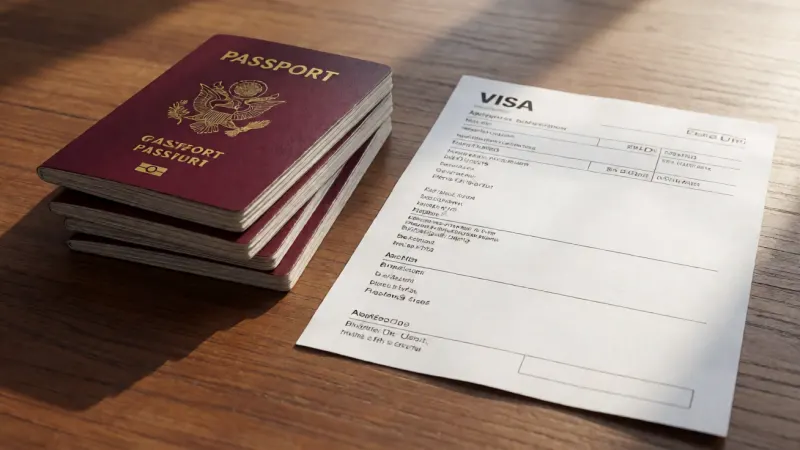
For those considering using the service, understanding the process is key to managing expectations. The journey is designed to be straightforward and digital-first, minimizing the need for physical paperwork where possible.
First, the user selects their destination country and enters their travel dates. The app or website then displays the required documents, which typically include a passport scan, a digital photo, and sometimes proof of flights or accommodation. One of the app’s praised features is its ability to scan your passport and automatically populate the necessary information, reducing the chance of typos.
Next, users upload the required documents directly through the platform. Atlys provides guidelines to ensure the photo and documents meet government specifications. After submitting everything and paying the required fees, the application is reviewed by the Atlys team before being submitted to the relevant government body. Users can then track the status of their application in real-time through the app.
Data Security: Is It Safe to Upload Your Passport and Personal Information?
Handing over sensitive personal data like passport details, photos, and financial information is a major concern for any online service. Atlys addresses this by stating they use end-to-end encryption for data transmission and storage, aligning with global standards like GDPR. Their privacy policy details that information is only shared with the respective government bodies necessary for the visa application.
The company also emphasizes secure payment processing, adhering to PCI-DSS standards to protect financial transactions. While these measures are standard for legitimate tech companies, the decision to trust any platform with such critical information ultimately rests with the individual user’s comfort level. It is always wise to use strong, unique passwords and be aware of the data you are sharing.
Atlys vs. Traditional Methods: A Comparative Analysis
To make an informed decision, it’s helpful to compare Atlys to the alternatives: applying directly through an embassy or using a traditional travel agent. Each method has distinct advantages and disadvantages.
Applying directly is the cheapest option, as you only pay the government visa fee. However, it requires you to navigate often-complex government websites, understand all the requirements yourself, and offers little to no support if you run into issues. It demands time, patience, and careful attention to detail.
Traditional travel agents offer a more hands-on service, often filling out forms for you and providing guidance. However, they can be more expensive than Atlys and the process is typically less transparent, often involving phone calls and emails rather than a real-time tracking dashboard. When planning a major trip, comparing the costs and features of luggage is also important; a detailed analysis like an Away vs. Samsonite review can help you invest wisely in other travel essentials.
| Feature | Atlys | Directly via Embassy | Traditional Travel Agent |
|---|---|---|---|
| Cost | Government Fee + Service Fee | Government Fee Only | Government Fee + Higher Service Fee |
| Convenience | High (App-based, digital uploads) | Low (Complex websites, manual forms) | Medium (Requires calls/visits) |
| Speed | Generally fast for e-visas | Varies greatly; can be slow | Dependent on the agent’s efficiency |
| Support | Digital (In-app chat, email); consistency is questioned | Very limited or none | Personalized but can be slow to respond |
| Transparency | High (Real-time app tracking) | Low (Opaque process until decision) | Low to Medium (Depends on agent) |
Who Should Use Atlys? And Who Should Avoid It?
Atlys appears to be a good fit for specific types of travelers. Tech-savvy individuals applying for straightforward e-visas for countries like the UAE, Turkey, or Vietnam are most likely to have a positive experience. These travelers value the convenience of an app-based process and are willing to pay a service fee to avoid the hassle of government websites.
Conversely, some travelers should exercise caution. Those applying for complex visas that require in-person appointments and extensive financial documentation (like for the US, UK, or Schengen states) may find that Atlys adds a layer of complexity and potential for communication breakdown. Furthermore, travelers on a very tight budget might prefer to apply directly to save on service fees. It’s also important to be honest in all travel documentation; for instance, understanding the consequences of lying about the number of guests in a hotel room reinforces the need for accuracy in visa applications.
For adventurous travelers planning unique excursions, such as a motorcycle tour, ensuring all paperwork is in order is paramount. For example, comparing rental services with a resource like Twisted Road vs Riders Share can help plan the logistics, but the underlying visa must be secured first.
Tips for a Smoother Experience with Atlys
If you decide to use Atlys, there are steps you can take to mitigate potential risks and improve your chances of a smooth process.
1. Apply Well in Advance: Do not wait until the last minute. Give yourself a buffer of several weeks, or even months for complex visas, to account for any potential delays from either Atlys or the embassy.
2. Double-Check All Information: While the app helps automate things, the ultimate responsibility for providing accurate information is yours. Carefully review all auto-filled data before submitting.
3. Document Everything: Take screenshots of payment confirmations, delivery time promises, and any significant communication with customer support. This creates a record in case of a dispute.
4. Read Recent Reviews: Check platforms like Reddit and Trustpilot for recent reviews related to the specific visa you are applying for. Service quality can change, and recent feedback is the most relevant.
The Final Verdict: Is Atlys a Legit and Reliable Choice for 2025?
After a thorough review of the available information, the verdict on Atlys is nuanced. Atlys is a legitimate company, not an outright scam. They have successfully processed millions of visas and are an authorized partner for some governments. The platform’s technology offers a genuinely convenient and simplified process for many travelers.
However, its legitimacy does not automatically equate to reliability for every user in every situation. The company exhibits operational weaknesses, particularly in customer support and handling complex cases, which has led to severe issues for a notable number of customers. The mixed reviews are a clear signal of inconsistent service quality. Therefore, whether Atlys is the right choice depends heavily on the traveler’s destination, the complexity of the visa, their tolerance for risk, and how far in advance they are planning.