You have the undeniable urge to ride, to experience a new road on a different machine. Yet, traditional motorcycle rentals often come with high costs and limited options. This common frustration leads many riders to the world of peer-to-peer motorcycle sharing, a revolutionary concept where the choices are vast and the community is vibrant.
The two undisputed leaders in this space are Twisted Road and Riders Share. Both platforms promise a seamless way to rent a unique motorcycle directly from a local owner. But beneath the surface, critical differences in cost, insurance, and overall experience can make or break your trip, turning a dream ride into a significant headache.
Choosing the wrong platform can lead to unexpected expenses, inadequate protection in an accident, and a frustrating rental process. The core of the problem isn’t just about picking a bike; it’s about navigating the complex web of service fees, insurance deductibles, and owner policies that define these services. This guide will dissect every crucial element, empowering you to make an informed decision and ensure your next ride is nothing short of perfect.
At a Glance: Twisted Road vs. Riders Share Head-to-Head
Before diving into the granular details, a high-level comparison can help frame the major differences between the two platforms. This table provides a quick snapshot of the key features and policies that matter most to both renters and owners.
| Feature | Twisted Road | Riders Share |
|---|---|---|
| Average Daily Rate | $75 – $125 per day, with static pricing. | $50 – $100 per day, with automatic multi-day and first-timer discounts. |
| Insurance Coverage (Damage) | Up to $40,000 for owners. | Up to $30,000 for owners and renters. |
| Owner Liability Protection | Includes up to $1M in liability coverage for owners. | General liability protection up to $300,000. |
| Service & Community Fees | Structured as a “Community Fee,” often $35/day or more. | Calculated as a percentage of the total rental cost, typically around 25%. |
| Rider Verification | Employs a comprehensive 15-point background check. | Standard license and identity verification process. |
| Motorcycle Age Limit | No age restrictions for listed motorcycles. | Motorcycles must generally be newer than 20 years old. |
| Mobile App Availability | Yes, for both iOS and Android. | No dedicated mobile app; browser-based. |
| Roadside Assistance | Optional add-on, around $10 per day. | Optional add-on, typically around $5 per day. |
The Ultimate Showdown: A Deep Dive into Key Differences
While both platforms connect riders with motorcycle owners, their approach to the rental experience differs significantly. Understanding these nuances in pricing, insurance, and user experience is vital for choosing the right service for your needs, whether you’re renting for a weekend getaway or listing your own bike to earn extra income.
Motorcycle Selection and Availability
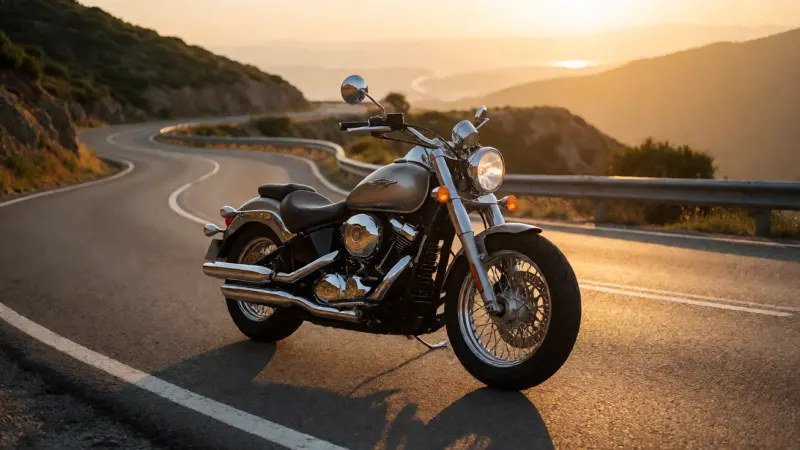
The first thing any rider looks for is the bike. The variety and sheer number of motorcycles available can heavily influence your decision. Both platforms boast thousands of listings across the United States, but their inventories have distinct characteristics.
Riders Share, as the larger and more established platform, often features a greater volume of listings, particularly in major metropolitan areas. This includes a vast selection of popular brands like Harley-Davidson, BMW, and Ducati. Twisted Road, however, has a key advantage for lovers of classic and vintage bikes: it has no age restrictions on listed motorcycles. This opens the door to renting unique, older models that you won’t find on Riders Share, which typically limits listings to bikes made within the last 20 years.
The True Cost: Pricing, Discounts, and Hidden Fees
At first glance, daily rental rates can be deceiving. The advertised price is merely the starting point. To understand the real cost, you must factor in service fees, insurance premiums, and any applicable discounts. This is where the platforms diverge most dramatically.
Twisted Road often markets straightforward daily rates. However, renters frequently encounter a “Community Fee” that can add a significant amount to the total, sometimes $35 or more per day. In contrast, Riders Share is known for its dynamic pricing and automatic discounts. It often applies a 10% multi-day discount and a 20% first-time rider discount, which can substantially lower the overall cost compared to Twisted Road for the same bike. For example, a five-day rental of the same Ducati Scrambler was found to be over $250 cheaper on Riders Share due to its fee structure and discounts.
Both platforms have been criticized by users for a lack of transparency regarding the final cost until the checkout page. These “hidden fees” can be a major pain point, transforming an affordable rental into an expensive one. It is crucial to proceed to the final booking screen on both sites to see the all-in price before making a final decision.
The Critical Factor: Understanding Insurance Coverage
Insurance is arguably the most important and least understood aspect of peer-to-peer rentals. An accident, even a minor one, can lead to significant financial consequences if you are not adequately covered. Both companies provide insurance, but the levels of protection, deductibles, and costs differ.
Riders Share offers multiple tiers of protection, with its standard plan providing up to $30,000 in damage coverage. This is often more comprehensive and less expensive than Twisted Road’s comparable plans. Twisted Road counters this by offering owners superior protection, with up to $40,000 in damage coverage for the motorcycle and, critically, up to $1 million in liability coverage for the owner. This is a significant advantage for those listing their bikes, as it protects them from potential lawsuits in the event of a major incident.
For renters, the story often involves high deductibles. User reviews on forums like Reddit highlight instances where minor, low-speed drops resulted in renters being charged their full deductible, which can be $1,000 or more. It is essential to read the fine print of the insurance plan you select and understand your maximum out-of-pocket exposure before you ride.
The Owner’s Perspective: Listing Your Prized Possession
For motorcycle owners, these platforms offer a compelling way to generate passive income from a bike that might otherwise be sitting in the garage. However, the decision to entrust your motorcycle to a stranger is not one to be taken lightly. The choice between Twisted Road and Riders Share can significantly impact your earnings, peace of mind, and overall experience.
The debate over which platform is better for owners often feels like comparing notes on different travel experiences; some might prefer the structured itinerary of a guided tour, while others value the flexibility of independent travel. Thinking about the differences between brands like Beis vs Away can be a helpful analogy for understanding these nuanced choices.
Earning Potential and Commission Structures
Both platforms take a commission from the rental fee, which covers their operational costs and the insurance provided. Riders Share’s commission structure is often tied to the insurance plan the owner selects, ranging from a 15% to 40% cut. Twisted Road’s structure is generally more straightforward, but the final earnings can be affected by the platform’s overall pricing model.
Many owners choose to list their bikes on both platforms to maximize visibility and bookings. This strategy allows them to compare which service generates more income and higher quality renters for their specific motorcycle and location. Ultimately, higher rental frequency and competitive daily rates on Riders Share may lead to better overall earnings, despite Twisted Road’s potentially lower commission on paper.
Protection, Vetting, and Peace of Mind
An owner’s primary concern is the safety and security of their motorcycle. This is where the platforms’ vetting processes and insurance protections become paramount. Twisted Road heavily promotes its rigorous 15-point rider verification process, arguing it creates a more trustworthy community of renters and reduces the risk of damage or theft.
Furthermore, Twisted Road’s inclusion of up to $1 million in liability protection for owners is a massive differentiator. This provides a crucial safety net that Riders Share does not explicitly offer to the same extent. The trust factor in peer-to-peer services is delicate; any dishonesty, much like the issues discussed in lying about the number of guests in a hotel room, can erode confidence. For risk-averse owners, Twisted Road’s enhanced protection might be the deciding factor.
The Renter’s Dilemma: Navigating Your First Ride
For those looking to rent, the platforms offer a gateway to a world of two-wheeled adventure. The process is designed to be simple: find a bike, book it, and ride. However, the user experience from booking to returning the motorcycle can vary, and knowing what to expect is key to a smooth trip.
Making a choice here is similar to picking between established luggage brands. Just as you might compare Away vs Samsonite based on features, durability, and price, you should evaluate these rental platforms on their user interface, support, and policies.
The Booking Process and User Experience
A significant practical difference is the user interface. Twisted Road offers a dedicated mobile app for both iOS and Android, which many users find more convenient for managing bookings, communicating with owners, and completing the check-in process. Riders Share operates through a mobile-friendly website, which, while functional, lacks the seamless experience of a native app.
The check-in and check-out process on both platforms is critical for damage documentation. Both require renters and owners to take comprehensive photos of the motorcycle before and after the rental period. This step is your primary defense against being held liable for pre-existing damage, so it should be performed with meticulous care.
When Things Go Wrong: Support and Roadside Assistance
No one plans for a breakdown or an accident, but it’s essential to know what support is available if the unexpected happens. Both platforms offer optional roadside assistance for an additional daily fee. Notably, Riders Share’s roadside assistance is typically half the price of Twisted Road’s, costing around $5 per day compared to $10.
Customer support is another area where user experiences diverge. Twisted Road emphasizes its US-based support team, available seven days a week. Riders Share also provides support, but some users have reported difficulties reaching a representative quickly during a crisis. In a stressful situation on the side of the road, responsive and helpful customer service is invaluable.
The Unspoken Difference: Platform Culture and Community
Beyond the feature charts and price comparisons lies a more subtle, yet important, differentiator: the culture of each platform. This is shaped by their marketing, their policies, and the type of community they attract. This aspect is rarely discussed but can significantly influence your experience.
Twisted Road, with its stricter rider verification and no-age-limit policy for bikes, often cultivates a community that appeals to seasoned riders and collectors of vintage motorcycles. Their branding feels more focused on the passion for riding unique machines. In contrast, Riders Share’s larger inventory and aggressive discount strategy can make it feel more accessible and transactional, catering to a broader audience that includes new riders and those seeking the best possible price.
Neither approach is inherently better, but one may align more closely with your personal style. Are you looking to connect with a fellow enthusiast over a shared love for a classic Triumph, or do you prioritize finding the most cost-effective way to rent a reliable Honda for a weekend trip? The answer can help guide you to the platform that feels like a better fit.
Final Verdict: Which Platform Is Right for You?
Declaring a single “winner” in the Twisted Road vs. Riders Share debate would be a disservice to the unique strengths of each platform. The best choice depends entirely on your specific priorities as either a renter or an owner.
Choose Twisted Road if:
- You are an owner who prioritizes maximum liability protection and a rigorous rider vetting process.
- You are a renter who wants to ride a classic or vintage motorcycle that is more than 20 years old.
- You value the convenience of a dedicated mobile app for managing your rental.
Choose Riders Share if:
- You are a renter focused on getting the lowest possible price, thanks to automatic discounts.
- You want the largest possible selection of modern motorcycles to choose from.
- You are looking for more affordable add-ons like roadside assistance and lower-cost insurance plans.
Ultimately, the rise of peer-to-peer motorcycle sharing has been a tremendous benefit to the riding community, offering unprecedented access and variety. By understanding the critical differences between these two leading platforms, you can navigate the landscape with confidence, avoid common pitfalls, and ensure your focus remains where it should be: on the joy of the open road.