The allure of Egypt is undeniable. Visions of towering pyramids, golden treasures of pharaohs, and majestic Nile cruises have captivated travelers for centuries. Yet, beyond the glossy brochures lies a more complex reality that every visitor should understand before embarking on a journey to this ancient land.
Many travelers arrive with romanticized expectations, only to face a series of challenges that can detract from the magic. This article confronts the difficult questions and unspoken truths about traveling to Egypt, providing a clear-eyed view of the potential hurdles. By understanding these issues upfront, you can make an informed decision and prepare yourself for a more rewarding and stress-free adventure.
Unpacking the Safety Question: Realities vs. Perceptions
The most common concern for prospective visitors is safety. It’s a valid question, given the region’s complex political landscape and media headlines that often paint a broad, alarming picture. While the Egyptian government has made significant efforts to secure tourist areas, it’s crucial to distinguish between different types of risks.
Most government travel advisories, including those from the U.S. and U.K., place Egypt at a level requiring “increased caution.” This is primarily due to the persistent, albeit reduced, threat of terrorism. Attacks are rare in major tourist zones like Cairo, Giza, Luxor, and Aswan, but high-risk areas such as the North Sinai Peninsula and remote desert regions near the Libyan border should be avoided.
Navigating Petty Crime and Tourist Scams
For the average tourist, the more immediate concern is not terrorism, but the prevalence of petty crime and sophisticated scams. These are often opportunistic and aimed at extracting money through deception rather than force. Being aware of the most common schemes is your first and best line of defense.
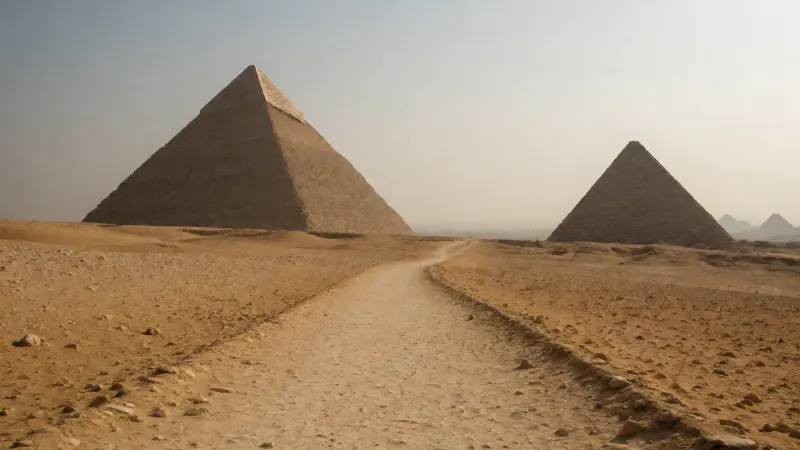
Popular scams include taxi drivers who refuse to use a meter, “helpful strangers” who demand a hefty tip for unsolicited advice, and vendors selling fake papyrus or perfumes. At the Giza Pyramids, a notorious scam involves camel handlers offering a ride for a low price, only to demand a much larger sum to let you dismount. Politely but firmly declining unsolicited offers is a skill every traveler in Egypt must quickly learn.
The Culture of Baksheesh and Aggressive Sales Tactics
One of the most jarring aspects for first-time visitors is the pervasive culture of “baksheesh” (tipping) and the relentless sales pressure at tourist sites. This goes far beyond a simple gratuity for good service; it’s an expected payment for almost any interaction, from someone pointing you in the right direction to a guard “allowing” you to take a photo in a permitted area.
This constant pressure can be mentally exhausting. Vendors in markets like Khan el-Khalili and touts at temples can be incredibly persistent, following you, engaging you in conversation to lure you into a shop, and making it uncomfortable to simply browse. Developing a firm “la, shukran” (no, thank you) and avoiding prolonged engagement is essential to preserve your energy and enjoy the sights.
Setting Boundaries and Managing Expectations
The key to navigating this environment is to understand its roots in economic hardship and to set clear boundaries. Decide in advance when and how much you are willing to tip. For vendors, a polite refusal and continuing to walk away is often the most effective strategy. Remember, you are not obligated to engage in every conversation or enter every shop.
Booking travel can also present its own set of challenges. If you ever find yourself in a situation where this flight segment is waitlisted, it’s crucial to understand your rights and the airline’s policies to avoid unnecessary stress and expense.
Health and Hygiene: Preparing for Pharaoh’s Revenge
A significant number of travelers to Egypt experience some form of gastrointestinal distress, famously known as “Pharaoh’s Revenge.” This is typically caused by bacteria in food or water that your body isn’t accustomed to. While it’s a common issue, it’s also largely preventable with the right precautions.
The primary rule is to never drink tap water. This includes avoiding ice in drinks and being cautious with salads or uncooked vegetables that may have been washed in tap water. Stick exclusively to sealed bottled water for drinking and brushing your teeth.
Smart Eating and Essential Medications
Be selective about where you eat. While street food can be tempting, it carries a higher risk. Opt for well-cooked meals at reputable restaurants or hotels. It’s wise to pack anti-diarrhea medication and rehydration salts just in case, so you are prepared and can treat symptoms quickly without needing to find a pharmacy.
Beyond stomach issues, the intense sun and heat, especially during summer months, pose a risk of dehydration and sunburn. Always carry water, wear a hat, and use high-SPF sunscreen when exploring outdoor sites like the Valley of the Kings.
Navigating Cultural Norms and Etiquette
Egypt is a predominantly conservative and Muslim country, and respecting local customs is crucial for a smooth trip. This is particularly important regarding dress code and public behavior. While tourist areas are more lenient, modesty is appreciated everywhere.
For women, it is advisable to cover shoulders and knees when in public, especially when visiting mosques and more traditional areas. Carrying a lightweight scarf is a great way to cover your head if required to enter a religious site. For men, long trousers are more appropriate than shorts in many settings outside of beach resorts.
Understanding Social Interactions
Public displays of affection are generally frowned upon. Social interactions can also be different, with a strong emphasis on hospitality and personal relationships. Learning a few basic Arabic phrases, such as “shukran” (thank you) and “salam alaykum” (a common greeting), can go a long way in building rapport.
It’s also important to be mindful of gender dynamics. Men should wait for a woman to extend her hand for a handshake. Solo female travelers often report receiving unwanted attention; dressing modestly and being assertive can help manage these situations.
Infrastructure and Logistical Hurdles
While Egypt is investing in its tourism infrastructure, visitors may still encounter logistical challenges. Traffic in Cairo is notoriously chaotic and can lead to significant delays. The country’s railway system, while extensive, has faced criticism for aging infrastructure and safety concerns, making some travelers wary.
When planning your itinerary, it’s wise to build in buffer time for travel between locations. Using ride-hailing apps like Uber in major cities can provide a more reliable and transparently priced alternative to traditional taxis. For longer distances, domestic flights or reputable, first-class overnight trains are often the most efficient options.
The Solution: Preparation and a Shift in Mindset
The solution to nearly every challenge mentioned is preparation. A trip to Egypt is not a casual vacation where you can simply “wing it.” It requires research, planning, and a mindset prepared for a degree of intensity. Understanding the potential pitfalls allows you to navigate them effectively, transforming them from trip-ruining problems into manageable quirks of the travel experience.
For peace of mind, consider investing in robust travel protection. A plan that includes an instant travel refund promise can provide a safety net against unforeseen cancellations or disruptions, allowing you to book with greater confidence.
| Potential Challenge | Primary Concern | Actionable Solution |
|---|---|---|
| Safety & Security | Terrorism threats in specific regions; prevalent petty crime and scams. | Avoid high-risk zones, stay vigilant in crowds, and learn to recognize common tourist scams. |
| Aggressive Touts | Constant and exhausting sales pressure and demands for “baksheesh.” | Learn to say “no thank you” firmly (“La, shukran”), avoid unsolicited conversations, and set a budget for tips. |
| Health Risks | Traveler’s diarrhea (“Pharaoh’s Revenge”), dehydration, and sunburn. | Drink only sealed bottled water, avoid raw vegetables/salads, and carry essential medications and sun protection. |
| Cultural Differences | Conservative social norms, especially regarding dress and public behavior. | Dress modestly (cover shoulders/knees), carry a scarf for religious sites, and avoid public displays of affection. |
| Infrastructure | Chaotic traffic, aging transportation systems, and potential travel delays. | Allow extra travel time, use ride-hailing apps in cities, and book reputable transportation for long distances. |
Is Egypt the Right Destination For You?
After considering these challenges, is a trip to Egypt still worthwhile? For many, the answer is a resounding yes. The historical significance and sheer scale of its ancient wonders are truly unparalleled. Standing before the Great Pyramids or wandering through the vast temple complex of Karnak are experiences that stay with you for a lifetime.
However, a successful trip requires a certain type of traveler. You must be patient, resilient, and willing to step outside your comfort zone. If your ideal vacation is a seamless, relaxing escape with minimal stress, Egypt might not be the best fit. Sometimes, a more straightforward destination is a better choice, especially for group events where simplicity is key. For instance, planning a trip to decide between an Austin or Nashville bachelor party involves far fewer logistical and cultural complexities.
Conclusion: An Informed Decision for an Unforgettable Journey
The purpose of this article is not to deter you from visiting Egypt, but to arm you with the knowledge to do so smartly. By understanding the realities of safety, the persistence of touts, potential health issues, and cultural nuances, you can prepare yourself accordingly. A well-prepared traveler is a confident traveler, one who can look past the hassles to appreciate the profound history and vibrant culture that make Egypt one of the world’s most fascinating destinations.
Ultimately, a journey to Egypt offers a profound reward for those willing to embrace its challenges. It is a land that demands your awareness and patience, but in return, it offers a glimpse into a civilization that has shaped human history. Go with open eyes, a prepared mind, and a spirit of adventure, and you will discover the magic that has drawn explorers for millennia.