Choosing an airline for a transatlantic flight can feel overwhelming. With giants like Germany’s Lufthansa and the US-based American Airlines dominating the skies, travelers often face a difficult decision. This choice isn’t just about price; it’s about the entire travel experience, from the moment you book your ticket to when you collect your bags.
The core problem for many passengers is a lack of clear, comparative information. Is one airline consistently better for comfort, service, or reliability? This guide provides a definitive, head-to-head comparison to help you select the best airline for your specific needs.
The Big Picture: Alliances and Networks
Before diving into the onboard experience, understanding the global alliances these airlines belong to is crucial. These partnerships dictate route networks, connectivity, and frequent flyer benefits, significantly impacting your journey.
Lufthansa is a cornerstone of Star Alliance, the world’s largest airline alliance. This provides travelers with a massive, integrated network, especially strong across Europe, Asia, and the Americas. American Airlines, on the other hand, is a founding member of Oneworld, an alliance known for its premium carriers and strong presence in North America and across the Pacific.
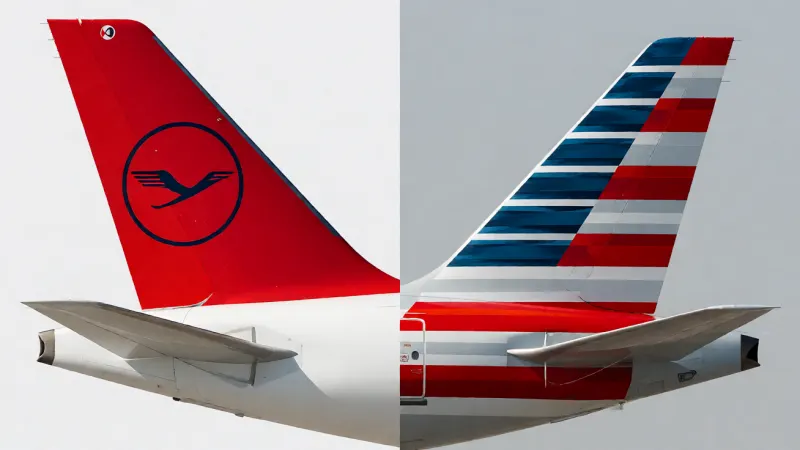
Hubs and Route Strengths
Your choice might simply come down to geography. Lufthansa’s primary hubs are in Frankfurt (FRA) and Munich (MUC), offering extensive connections throughout Europe, the Middle East, and Asia. If your final destination is in Central or Eastern Europe, Lufthansa often provides the most seamless connections.
American Airlines operates major hubs in Dallas/Fort Worth (DFW), Charlotte (CLT), Chicago (ORD), and Miami (MIA). This makes it a dominant force for travel within the Americas and a strong competitor on key transatlantic routes, particularly to destinations like London and Madrid.
The In-Flight Experience: A Cabin-by-Cabin Showdown
This is where the differences become most apparent. From seat comfort to the quality of a mid-flight meal, the onboard product determines whether you arrive refreshed or exhausted. Both airlines offer a range of cabin classes, each with distinct advantages and disadvantages.
Economy Class: The Deciding Factors
For most travelers, the economy cabin is the primary battleground. Here, small differences in comfort and service can make a significant impact on a long-haul flight. Generally, many travelers find that European carriers, including Lufthansa, offer a slightly more elevated base experience in economy.
Lufthansa often provides complimentary beer and wine on international flights, a small but appreciated touch that American Airlines typically charges for. In terms of meals, Lufthansa’s catering tends to receive slightly better reviews, often reflecting its German roots. American Airlines has improved its food offerings, but the consistency can vary. For entertainment, both offer extensive seatback options, though American sometimes has a larger selection of new releases.
Premium Economy: The Sweet Spot for Comfort
Premium Economy is an increasingly popular choice for those wanting more comfort without the business class price tag. Both airlines offer a competitive product in this category, but with key differences. Lufthansa’s Premium Economy provides a noticeably wider seat and greater recline than its standard economy.
American Airlines’ Premium Economy also features more spacious seating, enhanced meal service, and additional amenities. The primary distinction often lies in the seat design and the overall sense of space. Travelers should compare the specific aircraft type for their route, as the quality of the premium economy cabin can vary significantly across different planes in each airline’s fleet.
Business Class: Lie-Flat Beds and Lounge Access
In the premium cabin market, the competition is fierce. Lufthansa’s business class is known for its efficient and professional service. However, its older seat configurations, often in a 2-2-2 layout, mean not all passengers have direct aisle access, a significant drawback for solo travelers. The airline is in the process of rolling out a much-improved product, but it’s not yet available on all aircraft.
American Airlines generally offers a more consistent business class product with all-aisle-access seats across most of its long-haul fleet. This privacy and convenience are major advantages. While the “soft product” like food and service on Lufthansa is often praised, the better seat design on American gives it a strong edge for many business travelers.
On the Ground: Baggage, Check-in, and Reliability
The travel experience starts long before you board the plane. How an airline handles baggage, the efficiency of its check-in process, and its overall reliability are critical components of a stress-free journey.
Baggage Allowance and Fees: Know Before You Go
Baggage policies are a common source of confusion and unexpected costs. Both airlines have complex rules that depend on your fare type, route, and loyalty status. On transatlantic routes, a standard economy ticket on both airlines typically includes one checked bag.
However, the rise of “Basic Economy” fares has changed the game. These no-frills tickets on both American and Lufthansa often do not include a checked bag, and carry-on restrictions can be stricter. An issue like an Away Bigger Carry-On denied at the gate can happen if you are not careful about the specific size limits. Always verify the allowance for your exact fare before heading to the airport. For those unfamiliar with the process, understanding how to check a bag at the airport can save valuable time.
| Feature | Lufthansa (Intercontinental) | American Airlines (Transatlantic) |
|---|---|---|
| Economy Carry-On | 1 bag (8 kg) + personal item | 1 bag + personal item |
| Economy Checked Bag | 1 bag (23 kg) – *Excludes Light Fares | 1 bag (23 kg) – *Excludes Basic Economy |
| Premium Economy Checked | 2 bags (23 kg each) | 2 bags (23 kg each) |
| Business Class Checked | 2 bags (32 kg each) | 2 bags (32 kg each) |
Customer Service and Operational Performance
When things go wrong, good customer service is invaluable. Lufthansa is often perceived as having a more formal and efficient service style. In contrast, American Airlines’ service can be more variable, though often friendly and accommodating. Both airlines have faced criticism for customer service during operational disruptions.
Historically, Lufthansa has maintained a strong reputation for punctuality. However, like many European carriers, it can be susceptible to strikes that cause widespread disruption. American Airlines has struggled with on-time performance at times but has made significant investments to improve reliability.
Loyalty Programs: AAdvantage vs. Miles & More
For frequent flyers, the choice of airline is often tied to its loyalty program. Lufthansa’s program is Miles & More, while American’s is AAdvantage. Both offer ways to earn and redeem miles for flights, upgrades, and other rewards.
AAdvantage is often considered more valuable for redemptions on partner airlines, especially for premium cabin awards. Miles & More can be a powerful program for those who fly frequently with Lufthansa and its European partners, offering valuable upgrade opportunities and status perks. The best program ultimately depends on your travel patterns and redemption goals.
The Final Verdict: Which Airline Should You Choose?
So, after comparing the key aspects, which airline comes out on top? The answer depends entirely on you, the traveler. There is no single “best” airline, but there is a best airline for your specific trip and priorities.
Choose Lufthansa if:
You are traveling to Central or Eastern Europe and value seamless connections through Frankfurt or Munich. You appreciate a slightly more refined economy class experience with complimentary alcoholic beverages. You are a member of the Star Alliance and want to maximize your network and loyalty benefits.
Choose American Airlines if:
Your travel is primarily within the Americas or to major Oneworld hubs like London or Tokyo. You prioritize a consistent, private business class seat with direct aisle access. You are an AAdvantage loyalist looking to leverage your status and miles for premium redemptions.
A Note on Nuances
It’s important to remember that the experience can vary greatly based on the specific aircraft, crew, and route. Comparing these two is different from a Lufthansa vs Delta analysis, as each competitor brings unique strengths. Ultimately, a newer plane on American might offer a better experience than an older one on Lufthansa, and vice-versa. Always check the aircraft type and seat maps for your specific flight before making a final decision.
Frequently Asked Questions
Which airline offers a better in-flight experience?
The choice often depends on traveler priorities. Lufthansa is frequently praised for its excellent service and higher-quality food offerings, especially in business class. American Airlines, on the other hand, is often noted for providing a more extensive selection of in-flight entertainment.
What are the main differences in baggage allowance?
For most transatlantic economy fares, both airlines allow one complimentary checked bag. However, basic economy fares on both, such as Lufthansa’s “Economy Light”, typically do not include a checked bag for free. Carry-on allowances are generally similar, permitting one bag and a smaller personal item.
How do their loyalty programs, AAdvantage and Miles & More, compare?
American Airlines’ AAdvantage program may be more advantageous for travelers who fly frequently within the United States. Lufthansa’s Miles & More program is often considered more beneficial for those who travel regularly within Europe. Both airlines are part of major global alliances (Oneworld for American, Star Alliance for Lufthansa), allowing for mileage earning and redemption across many partner airlines.
Which airline is better for business class travel?
American Airlines’ business class often features reverse herringbone seats that provide all passengers with direct aisle access. While Lufthansa is upgrading its fleet, its older business class configuration is typically 2-2-2, which means window seat passengers may have to step past their seatmate. However, many travelers find the service and food on Lufthansa to be superior.
Which airline has a better route network?
The better network depends entirely on your travel patterns. American Airlines has a vast domestic network, making it a strong choice for travel within the United States. Lufthansa offers extensive connections throughout Europe and is a member of the larger Star Alliance, providing wide global reach.