Deciding to spend a month in Europe is an incredible dream. The fantasy involves leisurely mornings at a local cafe, exploring cobblestone streets, and truly immersing yourself in a new culture. But the dream quickly meets a complicated reality: choosing just one place as your home base.
The sheer number of incredible options can lead to decision paralysis. This isn’t just a week-long vacation; it’s a temporary life. Picking the wrong city can lead to budget blowouts, logistical headaches, or the quiet disappointment of not quite finding the experience you hoped for.
The Dream vs. The Reality: Why Choosing a Month-Long European Base is So Hard
The core problem isn’t a lack of good choices, but an overabundance of them. Every city promises history, culture, and amazing food, making it difficult to distinguish which one truly aligns with your personal goals for a 30-day stay. This challenge is about matching a city’s rhythm with your own.
Beyond the romantic vision, practical issues loom large. A month-long trip requires more than just booking a flight and hotel. You must consider the cost of living, the ease of finding monthly accommodation, and the pace of daily life to ensure a smooth and enjoyable extended stay.
Beyond the Postcard: The Paralysis of Choice
Scrolling through images of Parisian balconies and Roman ruins is inspiring, but it doesn’t tell you what it’s like to live there. Will you feel isolated? Is the public transport system easy to navigate for a month? Choosing a base is a commitment, and the fear of making the wrong one can be overwhelming.
A successful month-long stay hinges on finding a place that feels like home, not just a tourist destination. It’s about discovering a favorite local bakery, understanding the unspoken rules of the local market, and building a small routine in a foreign land.
Unseen Hurdles: Budgeting and Logistics for 30 Days
A week’s vacation budget is simple. A month’s budget is a different beast entirely. You need to account for groceries, utilities if you’re renting an apartment, and transportation passes, not just museum tickets and dinners out. Miscalculating these costs is a common pitfall that can add significant stress.
Furthermore, the logistics of a longer stay can be complex. Some countries have specific rules for short-term rentals, and visa requirements, though often straightforward for tourists, need careful attention. Ensuring all your documents are in order is a crucial first step; even small details, like knowing if you can wear a white shirt for a passport photo, can prevent unnecessary pre-travel anxiety.
Your Perfect Month-Long Stay: A Framework for Choosing the Right City
To cut through the confusion, a structured approach is necessary. Instead of asking “Where should I go?”, start by asking “What kind of experience do I want?” This shifts the focus from an endless list of destinations to your personal travel style and goals.
By defining your priorities—be it work, relaxation, or cultural immersion—you can filter your options effectively. This framework helps you move from a vague dream to a concrete, actionable plan for your ideal European month.
Step 1: Define Your “Why” – Digital Nomad, Sabbatical, or Slow Traveler?
Your reason for travel fundamentally shapes your needs. A digital nomad requires reliable, high-speed internet and a robust network of cafes and coworking spaces. Someone on a sabbatical might prioritize tranquility, access to nature, and opportunities for personal reflection.
The “slow traveler” seeks deep cultural immersion, wanting to live like a local rather than rush through a checklist of sights. Be honest about your primary motivation, as it will be the guiding star for your decision-making process.
Step 2: Match the Vibe to Your Personality (Creative Hub, Historic Gem, Coastal Retreat)
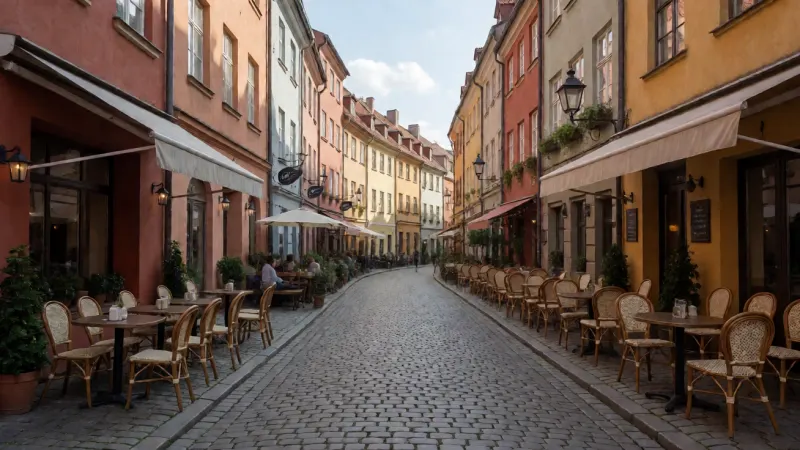
Every city has a distinct personality. Are you drawn to the gritty, artistic energy of a creative hub like Berlin? Or do you prefer the timeless elegance of a historic gem like Prague? Perhaps the laid-back rhythm of a coastal retreat like Valencia is more your speed.
Consider the daily environment that will make you feel most energized and comfortable. This is less about tourist attractions and more about the everyday atmosphere of the streets, the style of the architecture, and the general demeanor of the locals.
Step 3: The Non-Negotiables – Budget, Connectivity, and Pace of Life
Finally, it’s time for the practicalities. Establish a realistic monthly budget for accommodation, food, and activities. Research the public transportation systems and the city’s walkability—vital for a month-long stay.
The pace of life is a crucial, often overlooked, factor. A city with a bustling, late-night culture might be perfect for some, while others may prefer a quieter town that winds down early. This alignment is key to feeling at home.
Top Contenders for the Best Place to Stay in Europe for a Month
With a clear framework in mind, some cities consistently rise to the top as ideal destinations for a month-long stay. These locations offer an exceptional blend of affordability, vibrant culture, and high quality of life, making them perfect temporary homes.
Each of these cities provides a unique flavor of European life, catering to different tastes and priorities. Whether you’re seeking sun, history, or creative energy, one of these hubs is likely to be your perfect match.
Lisbon, Portugal: The Sun-Drenched Digital Nomad Haven
Lisbon has become a magnet for remote workers and slow travelers, and for good reason. It offers an unbeatable combination of historic charm, coastal beauty, and a thriving modern culture. The city is famous for its affordability compared to other Western European capitals.
With its seven cinematic hills, iconic yellow trams, and a flourishing food scene, Lisbon provides an endless feast for the senses. Excellent public transport and a welcoming international community make it incredibly easy to settle into for a month.
Prague, Czech Republic: The Fairytale City with a Modern Pulse
Walking through Prague feels like stepping into a history book, with its stunning Gothic architecture and the majestic Charles Bridge. Yet, beneath the fairy-tale exterior lies a dynamic, modern city with a vibrant arts scene and an efficient public transport system.
Prague offers one of the best value propositions in Central Europe. The cost of living is remarkably low, allowing you to enjoy its world-class beer, hearty cuisine, and numerous cultural events without breaking the bank. Its central location also makes it an excellent base for weekend trips.
Budapest, Hungary: The Grand Dame on the Danube
Budapest is a city of stunning contrasts, where grand imperial boulevards meet edgy “ruin bars” in formerly derelict buildings. The city is split by the Danube River, with the historic, hilly Buda on one side and the bustling, flat Pest on the other.
Known as the “City of Spas,” its thermal baths offer a unique way to relax and socialize. Budapest combines affordability with a rich cultural tapestry, offering everything from classical music concerts to a booming nightlife, making it a captivating place to call home for a month.
Valencia, Spain: The Perfect Blend of City and Beach Life
Often overshadowed by Madrid and Barcelona, Valencia offers a more relaxed and arguably more authentic Spanish experience. It boasts a beautiful historic center, futuristic architecture, and miles of sandy beaches just a short bus ride from the city.
The city’s crown jewel is the Turia Gardens, a sprawling park built in a former riverbed that winds through the city. Valencia’s laid-back vibe, delicious paella, and affordable cost of living make it an ideal choice for those seeking a balance of culture and relaxation. It offers a different, more livable pace than party-centric destinations, so if you’re wondering if Ibiza is worth it for a long stay, Valencia might be the better answer.
Berlin, Germany: The Creative’s Gritty Paradise
Berlin is a city that wears its tumultuous history on its sleeve, yet it is relentlessly forward-looking. It is Europe’s undisputed capital of cool, attracting artists, musicians, and entrepreneurs from around the globe with its liberal atmosphere and low cost of living.
The city is vast and diverse, with each neighborhood offering a distinct personality, from the chic boutiques of Mitte to the bohemian vibe of Kreuzberg. With its world-class museums, legendary nightlife, and endless green spaces, Berlin is a city you can explore for a month and still only scratch the surface.
Comparative Guide: Europe’s Best Month-Long Stays at a Glance
To help visualize the best choice for you, this table breaks down the key aspects of our top-recommended cities. Comparing these factors side-by-side can illuminate the destination that best aligns with your budget, interests, and travel style.
| City | Estimated Monthly Budget (Excl. Rent) | Best For | Pros | Cons |
|---|---|---|---|---|
| Lisbon, Portugal | €750 – €950 | Digital Nomads & Sun Seekers | Affordable, great weather, vibrant food scene, strong expat community. | Can be hilly, rising rental costs, tourist crowds in summer. |
| Prague, Czech Republic | €650 – €850 | History Buffs & Budget Travelers | Stunning architecture, very affordable, excellent public transport, central location. | Can be very crowded in the center, winters are cold. |
| Budapest, Hungary | €600 – €800 | Culture Vultures & Night Owls | Grand architecture, unique thermal baths, lively nightlife, extremely affordable. | Language can be challenging, bureaucracy can be slow. |
| Valencia, Spain | €700 – €900 | Lifestyle & Beach Lovers | Relaxed pace of life, beautiful beaches, great food, very bike-friendly. | Can be very hot in summer, less international than Madrid/Barcelona. |
| Berlin, Germany | €800 – €1,000 | Creatives & Urban Explorers | Vibrant arts and music scene, diverse neighborhoods, excellent public transport. | Winters are grey and cold, can feel very large and anonymous. |
Beyond the Destination: Secrets to a Successful Month-Long Stay
Choosing the city is just the first step. The success of your month-long adventure depends on how you approach the experience once you’re on the ground. It requires a shift in mindset from that of a tourist to that of a temporary resident.
Integrating into the local rhythm, managing the practicalities of daily life, and staying open to new experiences are the keys to transforming a long trip into a truly meaningful one. These strategies will help you feel grounded and make the most of your 30 days.
Finding Your Home: Navigating the Short-Term Rental Market
For a month-long stay, an apartment is often more comfortable and cost-effective than a hotel. Look beyond major platforms and explore local rental websites or Facebook groups for expats, which can sometimes offer better rates. Booking well in advance is crucial, especially during peak season.
Pay close attention to the neighborhood. Research areas that are well-connected by public transport but sit just outside the main tourist zones. This is where you’ll find more authentic local shops, better prices, and a quieter, more residential atmosphere.
Packing for a Marathon, Not a Sprint
Packing for 30 days is an art form. Focus on versatile, layerable clothing that can adapt to changing weather. Most importantly, invest in durable, high-quality luggage that can withstand the rigors of a longer trip. Considering a comprehensive Floyd luggage review can help you choose a bag with wheels built for navigating uneven cobblestone streets.
Remember to pack less than you think you need. You’ll likely pick up items along the way, and having extra space in your bag for the return journey is always a wise move. A sturdy backpack for daily excursions is also a non-negotiable item.
Building a Routine: How to Live Like a Local, Not a Tourist
The fastest way to feel at home is to build a simple routine. Find a local coffee shop and become a regular. Discover the best nearby grocery store or market for fresh produce. Make a habit of taking a walk through a local park each day.
This routine provides a sense of normalcy and structure that can be incredibly grounding. It allows you to observe the small details of daily life and interact with the city in a more authentic way, moving beyond the surface-level experience of a typical tourist.
Staying Connected: SIM Cards, Visas, and Other Essentials
Upon arrival, one of your first tasks should be to get a local SIM card or an eSIM plan. This is almost always cheaper than using an international roaming plan and is essential for navigating maps, looking up information, and staying in touch.
Before you leave, double-check visa requirements for your nationality and the length of your stay. Most non-EU citizens can stay in the Schengen Area for 90 days out of any 180-day period, but it’s vital to be certain. Having your logistics in order minimizes stress and lets you focus on enjoying your stay.
Your European Month Awaits
Ultimately, the best place to stay in Europe for a month is a deeply personal choice. The perfect city is not the one with the most famous landmarks, but the one that resonates with your personality, meets your practical needs, and fulfills your vision for an extended stay.
By using a thoughtful framework to assess your priorities and by preparing for the practical realities of a 30-day trip, you can move beyond the paralysis of choice. You can confidently select a base that will serve not just as a destination, but as your European home.