You booked the all-inclusive resort. The promise is in the name itself: everything is included. You envision a blissful week where your wallet stays locked in the hotel safe, untouched and ignored. This is a common dream, but it’s a costly misunderstanding. Arriving in paradise with only a credit card is one of the biggest mistakes travelers make.
The reality is that “all-inclusive” has its limits. Relying solely on plastic can lead to awkward moments, missed opportunities, and unnecessary expenses. From showing appreciation to hardworking staff to buying a unique souvenir from a local artisan, cash is not just helpful—it’s essential for a smooth and enriching experience.
This guide cuts through the confusion. We’ll break down exactly why you need cash, how much to bring, and the smartest ways to handle your money, ensuring your dream vacation doesn’t turn into a financial headache.
The “All-Inclusive” Illusion: Why Cash is Still King
The allure of an all-inclusive package is its simplicity. However, this simplicity often masks a variety of situations where cash is either required or vastly preferred. Understanding these scenarios is the first step to budgeting correctly.
Tipping: The Unspoken Rule of Gratitude
While many resorts state that gratuities are included, this is often a gray area. The staff at these resorts work incredibly hard, often for modest wages, to make your stay perfect. Tipping is a powerful and deeply appreciated way to show your personal gratitude for exceptional service.
A few dollars (or the peso equivalent) for the bartender who remembers your favorite drink, the housekeeper who leaves towel animals on your bed, or the bellhop who hauls your luggage in the heat can make a significant difference. It’s not just about the money; it’s a sign of respect and appreciation that often leads to even better service throughout your stay.
Off-Resort Adventures and Local Experiences
Your resort is a bubble of comfort, but the real heart of Mexico lies beyond its walls. Whether you’re taking a taxi into town, exploring a local market, or buying street tacos from a vendor, you’ll find that many small, local businesses are cash-only operations. Relying on your credit card here means you’ll miss out on some of the most authentic experiences and flavors the country has to offer.
Even organized excursions booked through your resort can have cash-related needs. You’ll want cash to tip your tour guide and driver, who are instrumental to your day’s enjoyment. You might also find a unique handmade craft or a cold coconut water sold by a local on the beach during one of your stops.
On-Site Extras Not Included in Your Package
The term “all-inclusive” can be misleading. Many resorts have a tiered system of what’s actually covered. It’s common for several on-site amenities and services to carry an extra charge.
These often include spa treatments, salon services, motorized water sports like jet skiing, special romantic dinners on the beach, or access to premium, top-shelf liquor. While these larger expenses can often be charged to your room, having cash on hand for the associated tips is always a smart move.
The Emergency Fund: Your Financial Safety Net
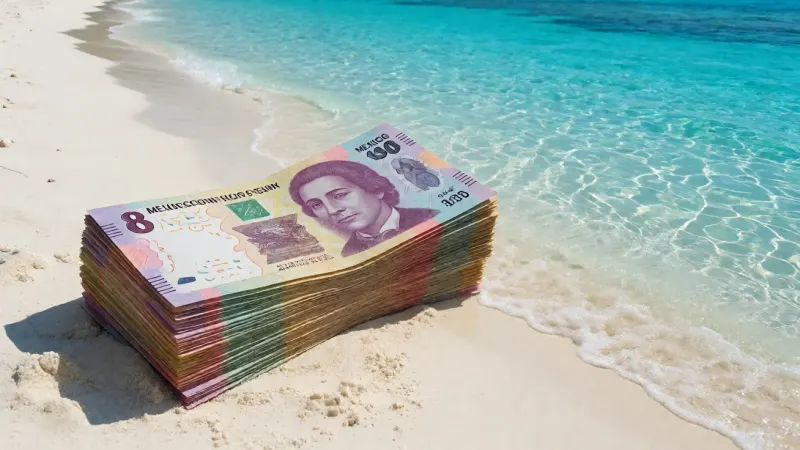
No one wants to think about things going wrong on vacation, but being prepared is crucial. What if the resort’s credit card system goes down? What if you face an unexpected medical issue or a transportation problem that requires immediate payment? Having a dedicated stash of emergency cash can be a lifesaver in unforeseen circumstances.
This is especially true if you encounter travel disruptions. Imagine your flight gets changed last minute, a situation thousands of travelers face. Having cash on hand for a quick taxi or an unexpected meal can reduce the stress significantly. For those flying with certain airlines, being prepared for changes is part of the journey; knowing what to do if, for example, Volaris changed your flight, and having the cash to manage it, gives you peace of mind.
Your Daily Mexico Cash Budget: A Step-by-Step Formula
Figuring out a precise number can feel overwhelming, so it’s best to break it down. A good starting point for a mid-range budget is around $40-$50 USD per person, per day. However, this can be tailored to your specific travel style. Here is a more detailed approach.
Step 1: Tipping Demystified – How Much for Who?
Tipping is the largest and most consistent cash expense at an all-inclusive. Having a clear plan for gratuities prevents awkwardness and ensures you’re showing appreciation appropriately. While U.S. dollars are widely accepted, tipping in Mexican pesos is often preferred by the staff as it saves them a trip to the currency exchange. It is always best to tip with bills, not U.S. coins, as they cannot be easily exchanged.
Here is a table to guide your daily tipping strategy.
| Service Provider | Recommended Tip (MXN or USD) | Frequency |
|---|---|---|
| Bellhop / Porter | $2-$5 (40-100 MXN) | Per delivery/pickup of bags |
| Housekeeping | $2-$5 per day (40-100 MXN) | Daily on the pillow |
| Minibar Stocker | $1-$2 per day (20-40 MXN) | Daily inside the fridge |
| Buffet Server | $2-$3 per meal (40-60 MXN) | Left on the table per meal |
| A La Carte Restaurant Server | $5-$10 per meal (100-200 MXN) | At the end of the meal |
| Bartender | $1-$2 per drink/round (20-40 MXN) | Per order or as a larger tip upfront |
| Tour Guide / Driver | 15-20% of the tour cost | At the end of the excursion |
| Shuttle Driver | $2-$5 per person (40-100 MXN) | At the end of the ride |
Step 2: Budgeting for Off-Resort Fun
If you plan to explore, your cash needs will increase. Research the costs of activities you’re interested in. A budget for a day trip could range from $50 to $150 per person, depending on the activity.
For shopping at local markets, set a budget you’re comfortable with, perhaps $50-$100. Remember that cash gives you better leverage for friendly haggling, a common practice in many markets.
Step 3: Planning for On-Site “Extras”
Before your trip, check your resort’s website or contact them to clarify what isn’t included in your package. If you know you want a spa treatment or a special dinner, factor that cost into your overall vacation budget. While you can likely charge these to your room, it’s wise to budget around 10-15% of the service cost in cash for a tip.
Step 4: The Just-in-Case Fund
Set aside an emergency fund of at least $100-$200 USD. This money should be kept separate from your daily spending cash and stored in a secure location, like your in-room safe. This fund is your safety net for unexpected events and provides invaluable peace of mind.
Having this fund is a core part of travel preparedness, contributing to a feeling of security. When considering your travel plans, overall safety is paramount. For instance, if you’re staying at a large resort complex, you might be wondering, “Is Moon Palace Cancun safe?” Researching your resort’s security measures, combined with personal precautions like having an emergency cash fund, creates a comprehensive safety strategy.
Pesos vs. Dollars: The Ultimate Currency Smackdown
A common question travelers have is whether to use Mexican Pesos (MXN) or U.S. Dollars (USD). While USD is widely accepted in major tourist hubs like Cancun and Cabo San Lucas, you will almost always get a better deal by paying in the local currency.
Why Pesos Are (Almost) Always Better
When you pay for an item or service in USD, the vendor determines the exchange rate. This rate will never be in your favor. You’ll end up paying a premium for the convenience. By using pesos, you are paying the local price at the current market exchange rate, which saves you money on every single transaction.
Furthermore, using pesos is more convenient for the local people you are transacting with. It eliminates the hassle for them to exchange the currency later. It is a small but meaningful gesture of respect for the local economy.
Where to Get Pesos: The Good, The Bad, and The Ugly
Getting your hands on pesos is easy, but not all methods are created equal.
- The Good: The best way to get pesos is by using an ATM at a reputable, major bank once you arrive in Mexico. These ATMs offer the best exchange rates. Inform your bank of your travel dates beforehand to avoid your card being frozen for suspicious activity. Another good option is to order a small amount of pesos from your home bank before you leave.
- The Bad: Exchanging money at airport currency kiosks is notoriously bad. They offer the worst exchange rates and often have high fees. Avoid them unless it’s an absolute emergency.
- The Ugly: Be very wary of standalone, unbranded ATMs on the street or in small shops. These machines are at a higher risk for card skimming devices. Stick to ATMs located inside bank branches or large, secure supermarkets.
Beyond the Basics: Pro Tips for a Cash-Smart Mexico Trip
A little extra knowledge can go a long way in making your trip smoother and more enjoyable. These expert tips address common pain points and add a layer of savvy to your financial planning.
The “Small Bill” Strategy
One of the most valuable yet overlooked tips is to arrive with a stash of small bills. When you first get pesos from an ATM, it will often dispense large 500-peso notes, which can be difficult for small vendors or taxi drivers to break. Having a supply of 20, 50, and 100-peso notes is crucial for tipping and small purchases.
Before you leave, ask your bank for small denominations. You can also break larger notes by making a small purchase at a larger convenience store like an OXXO or a major supermarket shortly after you arrive.
Securing Your Cash and Valuables
Smart financial planning also includes smart safety practices. Always use the in-room safe provided by your resort to store your passport, extra cash, and other valuables. When you go out, only carry the amount of cash you’ll need for that day’s activities.
Avoid flashing large amounts of money when making purchases. A money belt worn under your clothing is a great option for securing your cash during excursions. These simple precautions are key to a worry-free vacation and are an important part of ensuring your trip remains safe and positive.
Final Thoughts: Travel Prepared, Not Paranoid
The phrase “all-inclusive” is a promise of relaxation, not a declaration that cash is obsolete. By planning ahead and bringing a sensible amount of cash, you empower yourself to have a richer, more authentic, and stress-free vacation. You’ll be ready to show appreciation for excellent service, seize spontaneous opportunities for adventure, and handle any unexpected situations with confidence.
Budgeting for tips, off-resort fun, and a small emergency fund transforms you from a tourist into a savvy traveler. So, pack your sunscreen, your swimsuit, and a well-thought-out cash budget. Your perfect Mexican getaway awaits, and now you’re truly prepared for everything it has to offer.