The dream of driving from the fashion capital of Milan, through the Italian lakes, and into the breathtaking alpine vistas of Switzerland is a powerful one. Yet, for many, this dream is clouded by a fog of uncertainty. Worries about complex border regulations, surprise fees, and the sheer logistics of an international car rental can turn excitement into anxiety.
The core problem isn’t the drive itself, but the fear of the unknown. Travelers constantly question if they have the right documents, if their rental car is legally equipped, and if they are about to fall into a costly trap set by hidden fees or obscure traffic laws. This guide is designed to eliminate that fear entirely.
Here, you will find a clear, step-by-step roadmap to planning and executing the perfect road trip from Milan to Switzerland. We will tackle every potential issue head-on, providing actionable solutions and expert advice to ensure your journey is as smooth and spectacular as the alpine roads you’re about to conquer.
Why a Milan to Switzerland Road Trip is an Unforgettable Adventure
Embarking on a road trip from Milan to Switzerland offers an unparalleled sense of freedom and discovery. It allows you to trade rigid schedules for spontaneous detours, discovering charming villages and scenic viewpoints that are simply inaccessible by train or plane. The journey itself becomes the destination.
From the shimmering shores of Lake Como to the dramatic peaks of the Swiss Alps, every kilometer of this drive presents a new, postcard-perfect landscape. This is your chance to create a truly personal and memorable European adventure, all from the comfort of your own rental car.
The Critical First Step: Choosing the Right Rental Company
Your entire trip hinges on selecting the right rental car and, more importantly, the right company. This initial decision can be the difference between a seamless journey and a bureaucratic nightmare. It requires looking beyond the headline price and digging into the specific policies that govern international travel.
Cross-Border Policies Are Non-Negotiable
The single most important factor is the rental company’s policy on taking vehicles into other countries. Not all agencies permit their cars, especially luxury models, to be driven from Italy to Switzerland. You must explicitly confirm that cross-border travel to Switzerland is allowed before you book.
Most major international companies like Sixt, Hertz, and Europcar permit travel to Switzerland, but they will charge a cross-border fee. This fee covers the additional insurance and administrative costs. Expect this to be a flat fee, but always verify the exact amount during the booking process to avoid surprises at the rental desk.
Unpacking the “One-Way” Fee Trap
The idea of picking up a car in Milan and dropping it off in Zurich or Geneva is tempting for its convenience. However, this convenience comes at a steep price. International one-way rental fees can be exorbitant, often adding hundreds of euros to your final bill.
The most cost-effective solution is almost always to plan a round trip. Start your journey in Milan and end it in Milan. This strategy completely eliminates the hefty one-way drop-off charge, freeing up a significant portion of your budget for experiences on the road.
Comparing Major vs. Local Rental Agencies
While local Italian rental agencies might sometimes offer lower base rates, major international brands are generally the safer bet for a cross-border trip. They have standardized procedures for international travel, more extensive support networks in case of a breakdown in Switzerland, and clearer terms and conditions.
For a trip of this nature, the peace of mind and robust support offered by a well-known provider often outweigh the potential savings from a smaller, local company. They are better equipped to handle the complexities of taking a vehicle across international borders.
Decoding the Rental Agreement: What to Look For Before You Sign
The rental agreement is a binding contract filled with jargon that can be confusing. Taking the time to understand a few key components before you sign can save you from unexpected costs and limitations during your trip. Focus on the details that matter most for a long-distance, international journey.
Unlimited Mileage: Your Best Friend for Alpine Roads
A road trip through the Alps is all about exploration and embracing spontaneous detours. A rental agreement with a mileage cap can severely restrict this freedom, leading to penalty fees for every kilometer you drive over the limit. Always opt for a rental plan with unlimited mileage.
This ensures you can explore that winding mountain pass or visit that hidden lakeside village without constantly checking the odometer. The small additional upfront cost for an unlimited plan is a worthwhile investment in a stress-free journey.
Insurance Deep Dive: Understanding Your Coverage
Rental car insurance can be a maze of acronyms like CDW (Collision Damage Waiver) and TP (Theft Protection). Most rental rates in Europe include basic liability insurance, but the included waivers often come with a very high excess (deductible), which is the amount you’d be liable for in case of damage.
Consider purchasing a separate excess reduction policy or check if your credit card offers primary rental car insurance. This can be a significantly cheaper way to reduce your financial exposure. However, always verify that the policy is valid for rentals in Italy and covers cross-border travel to Switzerland.
Essential Documents and Gear for a Flawless Border Crossing
Successfully navigating the journey from Italy to Switzerland requires more than just a car and a map. You need specific documents and, depending on the season, specialized equipment to comply with Swiss law and ensure your safety. Being prepared is key to a smooth transition from one country to the next.
The Swiss Vignette: Your Golden Ticket to Swiss Highways
This is arguably the most critical piece of information for anyone driving into Switzerland. Unlike Italy’s pay-as-you-go toll booths, Switzerland requires a motorway vignette for all vehicles using its national motorways. It is a prepaid toll sticker that must be affixed to the inside of your windshield.
An Italian rental car will not come with a vignette. You must purchase one yourself. They are available at border crossings, gas stations near the border, and online. A vignette costs 40 Swiss Francs and is valid for the entire calendar year. The fine for being on a motorway without one is significant, so make this your top priority as you approach the border.
International Driving Permit (IDP): Myth vs. Reality
The requirement for an International Driving Permit (IDP) can be confusing. For many license holders (including those from the EU, US, Canada, and Australia), a valid home country driver’s license is sufficient for renting a car in Italy and driving in Switzerland, as long as it is in the Latin alphabet.
However, an IDP is essentially a translation of your license into multiple languages and is recommended as a supplementary document. It can be helpful in case of a police stop or an accident. They are inexpensive and easy to obtain from your home country’s automobile association, making it a good “better safe than sorry” document to carry.
Winter is Coming: The Truth About Winter Tires and Snow Chains
If you are traveling between November and April, winter driving regulations become extremely important. While Switzerland does not have a universal mandate for winter tires, drivers are legally required to have their vehicle properly equipped for the conditions and maintain control at all times. In practice, this means winter tires are essential for safety and legal compliance in snowy or icy conditions.
You must inform your rental company that you will be driving to Switzerland in winter and request a vehicle fitted with winter tires. This may come with an additional “winterization fee.” Some mountain passes may also legally require snow chains, so confirm if these are included with your rental as well.
Planning Your Route: From Autostrada to Alpine Pass
The drive from Milan to Switzerland offers a variety of routes, each with its own character. Your choice will depend on your priorities: are you looking for the fastest path, the most scenic drive, or a combination of both? Proper planning allows you to make the most of your time on the road.
The Direct Route: Gotthard Road Tunnel
For those heading towards central Switzerland, including destinations like Lucerne or Zurich, the most direct route is via the A9 motorway in Italy, connecting to the A2 in Switzerland through the Gotthard Road Tunnel. This 17-kilometer (10.5-mile) tunnel bypasses the high mountain pass, offering a fast and reliable route year-round.
Be aware that this is a major transport artery, and traffic can be heavy, especially during peak holiday seasons. The trade-off for speed is that you miss the spectacular high-alpine scenery of the mountain pass itself.
The Scenic Splendor: Navigating the Mountain Passes
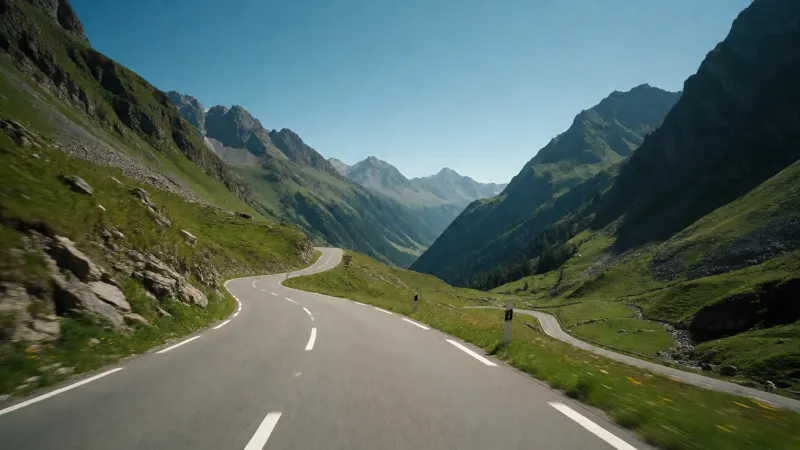
For a truly unforgettable driving experience, consider taking one of the historic mountain passes. Routes like the Simplon Pass or, in the summer, the Gotthard Pass, offer breathtaking views, winding roads, and a true sense of alpine adventure. These roads are typically well-maintained but are subject to seasonal closures.
Always check the status of mountain passes before you set off, especially in the spring and autumn shoulder seasons, as weather conditions can change rapidly. This choice requires more time and careful driving but rewards you with an experience that is simply unparalleled. It transforms the journey from a simple transit into a core part of your adventure, a path where being unprepared is not an option. For a stark reminder of the consequences of underestimating nature, one might reflect on stories like that of Chris McCandless, a cautionary tale about the importance of preparation which you can read more about in the article chris-mccandless-was-an-idiot_gem1.
A Quick Guide to Swiss Driving Rules
Driving in Switzerland is generally a pleasant experience, thanks to excellent road quality and courteous drivers. However, there are a few key rules to be aware of. Speed limits are strictly enforced by cameras, so pay close attention to signage. It’s typically 120 km/h on motorways, 80 km/h on country roads, and 50 km/h in towns.
It is also a legal requirement to have your headlights on at all times, day or night. Be mindful of trams in cities, as they always have the right of way. Adhering to these simple rules will ensure a safe and fine-free driving experience.
| Feature | Round Trip (Milan to Milan) | One-Way Rental (Milan to Zurich) |
|---|---|---|
| Overall Cost | Significantly lower | Very high due to drop-off fees |
| Flexibility | High; encourages loop itineraries and exploring different regions | Good for linear travel plans but financially restrictive |
| Key Fee | Standard rental cost + Cross-Border Fee | Standard rental cost + Cross-Border Fee + Exorbitant One-Way Fee |
| Best For | Budget-conscious travelers and those wanting to explore both countries thoroughly | Travelers with a very specific, non-circular itinerary and a large budget |
Navigating Costs: A Realistic Budget Breakdown
A successful road trip requires a realistic budget. Beyond the base rental car price, several other costs will factor into your total expenditure. Understanding these in advance allows for better financial planning and prevents any unwelcome surprises along the way.
Rental and Cross-Border Fees
This will be your largest single expense. The daily rental rate will vary based on the car class, rental duration, and season. On top of this, you must budget for the one-time cross-border fee charged by the rental company, which typically ranges from €20 to €60.
Fuel Costs: Italy vs. Switzerland
Fuel prices can differ between the two countries. Generally, gasoline and diesel are more expensive in Switzerland than in Italy. A smart strategy is to fill your tank just before crossing the border into Switzerland to take advantage of the lower Italian prices.
Tolls and the Vignette
Remember to factor in the cost of Italian motorway tolls on your way to the border. Once in Switzerland, the 40 CHF vignette covers all motorway travel. While this initial cost might seem high, it often works out to be more economical than the cumulative tolls on a long drive through Italy or France.
Common Mistakes to Avoid (And How to Sidestep Them)
Even with careful planning, small oversights can lead to big problems. Being aware of the most common mistakes travelers make on this route can help you proactively avoid them, ensuring your trip remains enjoyable and free of unnecessary stress or expense.
Forgetting the Vignette Before the Border
This is the most frequent and easily avoidable error. Many travelers, accustomed to toll plazas, simply forget about the vignette requirement until they are already on a Swiss motorway. Purchase the vignette at the very first opportunity, either at the border itself or a gas station just before it. The fine is not worth the risk.
Ignoring Low-Emission Zones (LEZ) in Milan
Before you even leave for Switzerland, you need to be aware of Milan’s own traffic restrictions. The city has extensive Low-Emission Zones, most notably “Area B” and “Area C.” Rental cars are typically new enough to comply with Area B’s emission standards, but Area C, the central congestion charge zone, requires payment to enter on weekdays.
Familiarize yourself with the boundaries of these zones to avoid hefty fines. It’s often wisest to pick up your rental car from an agency located outside the city center or at one of the airports (Linate or Malpensa) to bypass this complex urban driving environment altogether.
Underestimating Alpine Driving Conditions
The beauty of the Alps is matched by their potential danger. Roads can be narrow and winding, with steep drop-offs. Weather can change in an instant, bringing fog, rain, or even snow unexpectedly, particularly at higher elevations. Always drive with caution, use lower gears on descents to save your brakes, and never feel pressured to drive faster than you are comfortable with.
Expert-Level Pro-Tips for a Seamless Journey
Beyond the basics, a few insider tips can elevate your road trip from good to great. These small adjustments and bits of knowledge can save you money, time, and hassle, allowing you to focus more on the incredible experience of your journey.
Leverage Your Credit Card’s Rental Insurance
Many premium credit cards offer rental car insurance as a perk. Before purchasing extra coverage from the rental agency, check your card’s benefits guide. If it provides primary coverage, you may be able to decline the rental company’s expensive Collision Damage Waiver (CDW).
This requires due diligence; you must confirm the coverage is valid in Italy and for the type of vehicle you are renting. When vetting any travel-related service, from insurance to booking platforms, it’s wise to apply the same scrutiny you would when asking is-crystal-travel-legit_gem1, ensuring you’re dealing with a reputable provider whose terms you fully understand.
Packing Smart for Your Alpine Adventure
The limited space in a rental car necessitates smart packing. For a road trip, luggage that is both durable and space-efficient is key. Hard-shell cases are excellent for protecting your belongings on the road. The choice of luggage can make a surprising difference in your travel comfort, a topic further explored in our comparison of the rimowa-trunk-vs-trunk-plus_gem1.
Additionally, remember that alpine weather is notoriously variable. Pack in layers, including a waterproof jacket, warm fleece, and comfortable walking shoes, even if you are traveling in the summer. Being prepared for all conditions means you can comfortably enjoy any spontaneous stop.
Your Epic Milan to Switzerland Road Trip Awaits
The prospect of a road trip from Milan to Switzerland can seem daunting, filled with logistical puzzles and potential pitfalls. Yet, as we’ve detailed, every challenge has a clear and straightforward solution. The key to transforming this dream into a reality lies in diligent preparation and informed decision-making.
By choosing the right rental company, understanding the necessary documentation like the Swiss vignette, and planning for seasonal requirements such as winter tires, you remove the sources of stress. This allows you to fully immerse yourself in the journey: the freedom of the open road, the breathtaking beauty of the Alps, and the joy of spontaneous discovery.
With this guide in hand, you are no longer just a hopeful traveler; you are a prepared adventurer. The road from Milan to the heart of Switzerland is clear. Your unforgettable alpine experience is waiting.