You’ve navigated flights and hotels to see a world-class musical. The excitement is building, but then you face the final boss: the theater seating chart. It’s a cryptic map of sections and numbers that holds the key to an unforgettable night or a frustrating experience.
Choosing the wrong seat can lead to obstructed views, poor sound, or a constant neck ache. This guide will demystify the process, ensuring your travel budget is well-spent on a truly magical theater experience.
Understanding the Landscape: A Traveler’s Guide to Theater Layouts
Most traditional theaters are divided into several distinct sections, each offering a different perspective on the performance. Understanding this basic geography is the first step in making an informed choice.
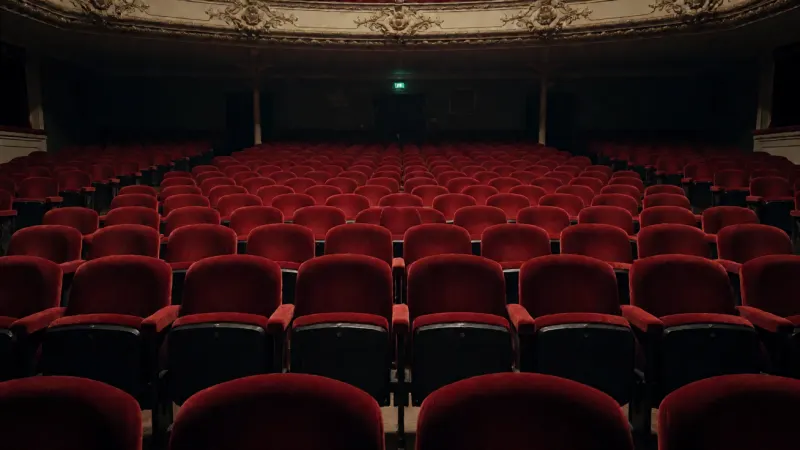
The main levels are the Orchestra (or Stalls), which is the ground level closest to the stage, the Mezzanine (or Dress Circle), which is the next level up, and the Balcony (or Grand Circle), the highest section. The slope of the seating, known as the “rake,” is also crucial, as a steeper rake can offer better views over the heads of people in front of you.
The Orchestra: An Immersive Experience
The Orchestra section puts you on the same level as the performers, offering an intimate and immersive experience. Being close allows you to see every facial expression and detail of the costumes.
However, the very front rows can be a double-edged sword. You might find yourself craning your neck upwards, and the height of the stage can obscure action happening at the very back. Further back in the orchestra, the sound is often perfectly balanced, but your view can be easily blocked by a taller person in front.
The Mezzanine: The Director’s Perspective
Often hailed by theater aficionados as the optimal choice, the front rows of the Mezzanine offer an elevated, panoramic view. This is the perfect vantage point to appreciate the full scale of a grand musical.
From here, you can see the entire stage, capturing the intricate choreography and stagecraft exactly as the director envisioned. The sound is also expertly mixed for this level, providing a rich auditory experience. The only downside is a slight sense of detachment compared to the orchestra.
The Great Debate: Proximity vs. Panorama
The decision between Orchestra and Mezzanine seating really comes down to personal preference and the nature of the show itself. One is not definitively better than the other; they simply offer different experiences.
For a character-driven drama or a musical where subtle expressions are key, a seat in the mid-orchestra can be transformative. For a dance-heavy spectacle with sweeping set designs, the front mezzanine is unbeatable. A common mistake is assuming that any orchestra seat is a premium seat; a seat in row twenty on the far side can be far inferior to a central seat in the rear mezzanine.
Beyond the Main Tiers: Balcony and Box Seats
For travelers on a tighter budget, the Balcony offers the most accessible price point. While you will be farthest from the stage, modern theaters are designed to provide decent sightlines and acoustics even to the “cheap seats.”
Box seats, located on the sides of the theater, offer a private, luxurious experience. However, they almost always come with a compromised, side-angle view of the stage. These are best chosen for the unique experience rather than for the perfect view.
A Deeper Dive: Center, Aisle, or Side Seats?
Within each section, the horizontal position of your seat is just as important as the row. Center seats offer the most balanced, symmetrical view, presenting the show as it was designed to be seen.
Aisle seats are a popular choice for those who value extra legroom and easy access without disturbing other patrons. The trade-off is a slightly angled view and potential distractions from people moving in the aisles. Side seats become progressively more angled the further you are from the center, potentially obscuring parts of the stage closest to you.
The Hidden Obstructions No One Talks About
One of the biggest pitfalls for theatergoers is the dreaded “partial view” seat. The most common culprit is the overhang from the tier above. If you’re in the back rows of the Orchestra, the Mezzanine overhang can cut off the top of the stage, hiding crucial set pieces or action.
Always check the seating chart for notes about obstructions, which can also include support pillars or sound mixing boards. Sometimes an online booking system will show a seating map where the image is overly compressed, making it hard to spot these crucial details. It is always wise to double-check on a more reliable site if you have doubts.
The Ultimate Seating Strategy: A Pre-Booking Checklist
Before you click “buy,” run through this checklist to ensure you’re making the best possible choice for your trip. A little preparation goes a long way.
First, consider the show itself. Is it a visual spectacle that demands a wide view, or an intimate story better seen up close? A quick search for reviews or production photos can provide valuable clues.
Venue Research is Non-Negotiable
Not all theaters are created equal. A historic, ornate venue might have more pillars and awkward sightlines than a modern one. Use third-party websites like “A View From My Seat,” where real audience members post photos and reviews from specific seat locations.
This kind of user-generated content is invaluable and provides a level of detail that official seating charts often lack. It’s like getting a preview before you commit, a crucial step for any traveler wanting to maximize their experience.
| Seating Section | Best For | Potential Drawbacks | Price Range |
|---|---|---|---|
| Front Orchestra (Rows A-E) | Seeing actor’s expressions, feeling immersed in the show. | Neck strain from looking up, stage height can block the back of the stage. | Premium |
| Mid-Orchestra (Rows F-P) | Excellent, balanced view with great sound. | Views can be blocked by patrons in front, less appreciation for large-scale choreography. | Premium |
| Front Mezzanine | The “director’s view,” seeing the entire stage and choreography. | Can feel slightly detached from the performance compared to the orchestra. | Premium |
| Rear Mezzanine | A full overview of the stage at a more moderate price. | Can feel distant, potential for overhang obstruction from the balcony above. | Moderate |
| Balcony | The most affordable way to see a show. | Very distant, details are lost, acoustics may be less clear. | Budget |
| Box Seats | A private, luxurious experience with extra space. | Severe side-angle view, almost always partially obstructed. | Varies |
Pro Tips From Theater Insiders
There are a few secrets that seasoned theatergoers use to their advantage. For instance, seats located directly behind the sound mixing board in the orchestra often have extra legroom and a perfect audio experience.
Another tip is to not be afraid of the last row. The last row of the front mezzanine often provides a superior, unobstructed view compared to a poorly placed seat in the rear orchestra for a similar price. This kind of strategic thinking can lead to finding hidden gems in the seating chart.
When booking, also consider the logistics of your tickets. While many venues now use digital ticketing, having a reliable method is key. The peace of mind from having a ready-to-scan ticket is similar to knowing that a boarding pass screenshot is saved and accessible on your phone for a flight.
Budgeting for the Best Experience
Your budget will naturally be a major factor in your decision. While front-row seats are expensive, you don’t need to break the bank to have a great time. Often, the first few rows of the rear mezzanine offer a fantastic value proposition.
For travelers looking to save on every aspect of their trip, combining smart ticket buying with other budget strategies is key. Finding creative lodging solutions, such as when you couch surf in Los Angeles, can free up more of your travel funds for premium show tickets.
Conclusion: Finding Your Perfect Perch in the Theater
Ultimately, the “best” seat for a musical is a subjective choice that depends on your personal priorities. Do you crave the intimacy of seeing an actor’s every emotion, or the awe of a perfectly staged dance number?
By understanding the layout of the theater, weighing the pros and cons of each section, and doing a bit of venue-specific research, you can move beyond hoping for a good seat and start choosing one. This knowledge transforms a game of chance into a strategic decision, ensuring that the magic of live theater becomes a highlight of your travels.