For travelers exploring the Pacific Northwest, a formidable question often arises: with limited time, should one visit the majestic, ice-clad peak of Mount Rainier or the raw, untamed landscape of Mount St. Helens? This decision can feel paralyzing. Both volcanoes represent the staggering power and beauty of the Cascade Range, yet they offer profoundly different experiences.
Choosing incorrectly can lead to a trip that doesn’t align with your interests, whether you’re seeking serene alpine meadows or a stark lesson in geology. This guide aims to solve that problem. We will dissect the unique character of each mountain, compare their offerings, and provide a clear path to help you choose the right destination—or, even better, a plan to experience the magic of both.
An Epic Choice: Washington’s Volcanic Giants
Understanding the core identity of each volcano is the first step in making your decision. They are not interchangeable peaks; each has a unique story and a distinct personality that shapes the visitor experience. One is an ancient, towering monarch, while the other is a testament to dramatic destruction and rebirth.
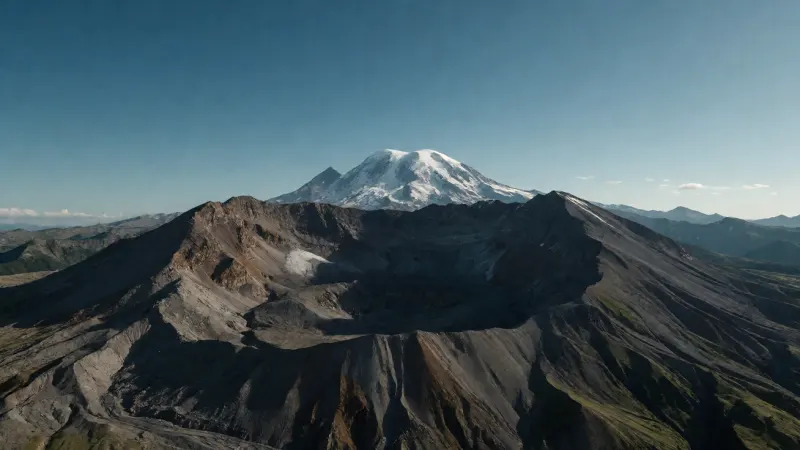
Mount Rainier: The Icy Queen
Ascending to 14,410 feet, Mount Rainier is an icon of the Washington landscape and the most glaciated peak in the contiguous United States. It’s a place of immense scale and timeless beauty. The experience here is defined by vibrant subalpine wildflowers, ancient forests, and sprawling glaciers that feed five major rivers.
Visiting Rainier is about immersing yourself in a classic, pristine mountain environment. It’s for those who dream of wandering through meadows bursting with color, hearing the thunder of waterfalls, and feeling dwarfed by the sheer mass of an ice-covered giant.
Mount St. Helens: The Resilient Survivor
Mount St. Helens offers a dramatically different narrative. Its 1980 eruption blew away the mountain’s summit, leaving a horseshoe-shaped crater and a landscape forever altered. A visit here is a journey into a living laboratory of ecological recovery.
The experience is less about pristine alpine beauty and more about witnessing the incredible power of nature—both its destructive force and its remarkable ability to heal. It’s a place of stark, beautiful, and haunting landscapes, from the gray pumice plains to the ghostly Spirit Lake, still holding the logs of a forest blown down decades ago.
The Traveler’s Dilemma: Rainier’s Majesty or St. Helens’ Raw Power?
The problem for many visitors is that both mountains are compelling for different reasons. Your choice should be guided by three key factors: your available time, your desired experience, and your physical activity level. Understanding these will lead you to the perfect volcanic adventure.
Time Constraints and Location
Your proximity to either Seattle or Portland can heavily influence this decision. Mount Rainier is more accessible from Seattle (about a 2-hour drive to the Nisqually entrance), making it a popular day trip. Mount St. Helens is closer to Portland (about a 1.5-hour drive to the west side), though it can also be reached from Seattle in about 3 hours.
If you have only one day, choosing the closer mountain is wise to maximize your time for exploration rather than driving. If you have two or more days, visiting both becomes a thrilling possibility.
Desired Experience: Glaciers or Geology?
What kind of nature do you want to experience? If your vision of a mountain trip involves lush meadows, dense forests, and breathtaking views of glaciers, then Mount Rainier is your undisputed choice. The Paradise and Sunrise areas, in particular, offer some of the most stunning alpine scenery in North America.
However, if you are fascinated by the raw power of the earth and want to see the direct consequences of a massive volcanic eruption, Mount St. Helens is unparalleled. The Johnston Ridge Observatory provides a direct view into the crater, offering a humbling and educational experience you won’t find anywhere else.
Activity Level and Accessibility
Both parks offer activities for all fitness levels, but their strengths differ. Mount Rainier boasts a vast network of trails, from easy, family-friendly walks like the Trail of the Shadows to strenuous hikes like the Skyline Trail, which climbs high onto the mountain’s shoulder.
Mount St. Helens also has excellent trails, such as the Hummocks Trail, which winds through debris from the 1980 landslide. However, its main attractions, like the Johnston Ridge Observatory, are highly accessible, allowing visitors to witness the eruption’s epicenter with minimal hiking required.
A Head-to-Head Battle of the Volcanoes
To provide a clear, actionable comparison, let’s break down the key features of each destination. This table offers a side-by-side look to help you align your travel goals with what each park delivers best.
| Feature | Mount Rainier National Park | Mount St. Helens National Volcanic Monument |
|---|---|---|
| Primary Scenery | Glaciers, wildflower meadows, old-growth forests, waterfalls. | Volcanic crater, blast zone, pumice plains, regenerating forests. |
| “Wow” Factor | The sheer scale and icy grandeur of the mountain. | The dramatic view into the crater and the story of rebirth. |
| Best For | Hikers, photographers, nature lovers seeking classic alpine beauty. | Geology enthusiasts, families seeking education, and those interested in ecological recovery. |
| Top Sights | Paradise area, Sunrise area, Reflection Lakes, Skyline Trail. | Johnston Ridge Observatory, Coldwater Lake, Hummocks Trail, Ape Cave lava tube. |
| Accessibility | Good, with scenic drives to Paradise and Sunrise. Can be very crowded. | Excellent on the west side (Hwy 504), with primary viewpoints easily reached by car. |
| Drive from Seattle | Approx. 2 hours | Approx. 3 hours |
| Drive from Portland | Approx. 2.5 hours | Approx. 1.5 hours |
Scenic Beauty: Alpine Meadows vs. The Blast Zone
The beauty of Mount Rainier is classic and postcard-perfect. In July and August, the meadows at Paradise and Sunrise are a riot of color, with lupine, paintbrush, and beargrass creating a stunning carpet against the backdrop of the snowy peak. It’s a landscape that feels ancient and undisturbed.
The beauty of Mount St. Helens is more subtle and thought-provoking. The blast zone, viewed from Johnston Ridge, is a panorama of gray, brown, and slowly returning green. It’s a powerful testament to resilience, where small flowers push through volcanic ash and young forests begin to rise again.
Hiking Trails for Every Skill Level
At Mount Rainier, the hiking opportunities are legendary. For an easy walk, the Grove of the Patriarchs Trail leads you through a forest of ancient giant trees. For a moderate challenge with incredible rewards, the Naches Peak Loop offers continuous views of Rainier.
At Mount St. Helens, the Eruption Trail at Johnston Ridge is a short, paved walk that offers unparalleled views and interpretive signs. For something more immersive, the Boundary Trail to Harry’s Ridge provides a longer hike with commanding vistas of Spirit Lake and the crater.
Visitor Centers and Learning Opportunities
Both parks have excellent visitor centers, but their focus differs. At Mount Rainier, the Jackson Visitor Center at Paradise and the Sunrise Visitor Center provide information on the park’s ecology and glaciers. They are gateways to the park’s natural wonders.
The Johnston Ridge Observatory at Mount St. Helens is a destination in itself. Its state-of-the-art exhibits and films focus entirely on the 1980 eruption, offering a captivating and often moving account of the event. It is one of the best interpretive centers in the entire national park system.
The Ultimate Pacific Northwest Volcano Itinerary: Seeing Both
Why choose when you can see both? With three to four days, you can create an unforgettable road trip that captures the unique spirit of each mountain. This itinerary is designed to be efficient, spectacular, and full of memorable moments.
Day 1: Arrival and Ascent to Paradise (Rainier)
Start your journey by driving to the Nisqually entrance of Mount Rainier National Park. Stop at the Longmire Museum to get oriented before continuing the stunning drive up to the Paradise area. Spend the afternoon hiking a portion of the Skyline Trail or exploring Myrtle Falls.
Stay overnight in the nearby town of Ashford or at one of the park’s lodges. Remember to book accommodations well in advance, especially during the peak summer season. When booking lodging for a group, it is always important to be accurate, as there can be issues related to lying about the number of guests in a hotel room.
Day 2: Sunrise at Rainier and the Journey South
Wake up early and drive to Reflection Lakes to capture the iconic morning view of Mount Rainier mirrored in the water. Afterward, head to the Sunrise area (seasonal access) on the mountain’s east side for a different perspective and hikes with panoramic views of the Emmons Glacier.
In the afternoon, begin your drive south towards Mount St. Helens. The towns of Packwood or Randle make for a good overnight stop, positioning you perfectly for the next day’s adventure.
Day 3: Into the Blast Zone (St. Helens)
From your lodging, drive towards the west side of Mount St. Helens via State Route 504, the Spirit Lake Memorial Highway. This road itself is a destination, with numerous viewpoints like the Elk Rock and Castle Lake viewpoints that reveal the mountain as you approach.
Your main destination is the Johnston Ridge Observatory. Plan to spend several hours here, watching the film, exploring the exhibits, and taking in the jaw-dropping view of the crater. Walk the short Eruption Trail for an even closer look.
Day 4: Deeper Exploration and Departure
On your final day, explore more of the St. Helens area. Hike the Hummocks Trail to see the jumbled landscape left by the eruption’s debris avalanche up close. Visit Coldwater Lake, a body of water created by the eruption, for a peaceful walk along its shore.
Depending on your travel plans, you can then depart from either Portland or Seattle. If you booked your return flight through a third-party site and have travel questions, it can sometimes be difficult when Expedia won’t let me choose seats or make other adjustments, so direct communication is key.
Essential Planning Tips for Your Volcano Adventure
A successful trip to either or both mountains requires some logistical planning. Weather, road closures, and crowds can all impact your experience, so it’s best to be prepared for a smooth and enjoyable visit.
Choosing Your Basecamp: Seattle vs. Portland
Seattle is the ideal starting point for a Rainier-focused trip. It offers quick access to the park’s most popular entrances and a wide range of accommodation and dining options. Many guided tours also depart from the city.
Portland is the more logical base for exploring Mount St. Helens. Its proximity allows for an easy day trip to the Johnston Ridge Observatory. It can also serve as the start or end point of a longer dual-mountain itinerary.
What to Pack and When to Go
The best time to visit both parks for full accessibility is from July through early September. This window offers the best weather, snow-free trails in most areas, and peak wildflower blooms at Rainier. However, this is also the most crowded season.
No matter the season, dress in layers. Mountain weather is notoriously unpredictable. A sunny day can turn cold and windy without warning, especially at higher elevations. Essential items include sturdy hiking shoes, a waterproof jacket, sun protection, and plenty of water. When packing snacks and drinks for the family, finding variety is important; there are many excellent non-alcoholic french drinks for kids and adults alike that can be a refreshing alternative to standard sodas.
Navigating Reservations and Timed Entry
Due to their popularity, both parks can experience significant congestion. Mount Rainier National Park has implemented a timed entry reservation system for its Paradise and Sunrise corridors during peak season. Always check the official National Park Service website for the latest information on reservations, road conditions, and potential closures before you go.
Mount St. Helens does not typically require timed entry, but purchasing passes online in advance for attractions like the Johnston Ridge Observatory can save time. Planning ahead is crucial for a stress-free visit.
Beyond the Peaks: The Unique Spirit of Each Mountain
While statistics and trails can be compared, the true difference between these two volcanoes lies in their character. Each mountain imparts a different feeling, a unique lesson about our planet and our place within it. Choosing between them is also about choosing the story you want to be a part of.
The Living Story of Mount St. Helens
A visit to Mount St. Helens is not just a sightseeing trip; it is an educational pilgrimage. You are stepping into a landscape that was radically transformed within a matter of minutes. The experience is deeply humbling.
Standing at Johnston Ridge, you are not just looking at a mountain; you are looking at a story of immense power, loss, and incredible tenacity. Seeing life return to this once-devastated landscape offers a powerful message of hope and resilience that resonates long after you leave.
The Enduring Grandeur of Mount Rainier
Mount Rainier, in contrast, speaks to timelessness and stability. Its massive glaciers have carved valleys over millennia, and its forests feel ancient and wise. It is a place that inspires awe through its sheer scale and unchanging presence.
The feeling at Rainier is one of peace and majestic beauty. It reminds you of the enduring power of nature on a geological timescale, a constant and calming presence in a rapidly changing world.
Final Verdict: Which Volcano Is Right for You?
Ultimately, the “better” volcano is the one that aligns with your personal travel style and interests. There is no wrong answer, only a different kind of adventure waiting for you.
Choose Mount Rainier if: You are seeking classic, breathtaking alpine scenery. You want to hike through vibrant wildflower meadows and see massive glaciers up close. You prioritize iconic, picture-perfect mountain views.
Choose Mount St. Helens if: You are fascinated by geology and the raw power of nature. You want a unique educational experience and a chance to witness an ecosystem in recovery. You are looking for a profound and thought-provoking landscape.
But if time allows, the best solution is not to choose at all. Visiting both Mount Rainier and Mount St. Helens on the same trip offers a deep and multifaceted look into the heart of the Pacific Northwest. It’s an experience that contrasts the serene with the stark, the ancient with the reborn, and leaves you with an unforgettable appreciation for these two magnificent giants.