The Traveler’s Dilemma: Are You Missing the Real Italy?
Imagine planning your dream Italian vacation. You scroll through endless listings of generic hotels, all offering the same predictable amenities and impersonal service. You book one, and while it’s comfortable, you leave feeling like you’ve merely observed Italy from a distance, never truly connecting with its heart and soul.
A small guesthouse, inn, or pensione-style property can offer a more personal stay than a large hotel, but that depends on the individual place and your own preferences. Independent properties vary widely in price, service, location, and facilities. If you are weighing a smaller stay against a longer apartment rental, our guide to choosing where to stay in Italy for a month can help you compare the tradeoffs.
The first step is to understand how the word is used. “Pensione” can appear in a property name, description, or regional lodging context, but it does not tell you by itself what services, room standards, or legal classification to expect. Treat it as a search clue, then verify the actual property details and the rules that apply in its region.
What Exactly Is a “Pensione”? Decoding the Italian Guesthouse
In everyday travel listings, “pensione” often suggests a modest inn or guesthouse, but the word is not a reliable checklist of size, ownership, service, or quality. Some establishments may be family operated; others may not be. Look at the actual room description, current reviews, photographs, and terms rather than assuming every place using the word offers the same experience.
A small property may have an owner or manager who knows the neighborhood well, while another may run with limited in-person hours or a more standardized process. Hospitality is personal and varies by staff, language, season, and property. If local recommendations matter to you, ask whether someone will be available during your stay and whether advice is offered in a language you can use.
Pensione vs. Hotel vs. B&B: Understanding the Key Differences
Accommodation labels can overlap in everyday speech, but the services and legal category are property-specific. A pensione-style listing may resemble a small hotel, a room rental, or another type of accommodation depending on local rules and how the place is operated. Compare what is included—private bathroom, breakfast, reception hours, cleaning, and cancellation terms—instead of relying on a label alone.
A smaller property may provide direct contact with a host, but there is no guarantee the person who checks you in is the owner or that one staff member handles every request. Check the listing’s reception arrangements and messaging options. If you expect to arrive late, ask for precise instructions and any extra fee before booking.
| Feature | Pensione | Hotel (Albergo) | Bed & Breakfast (B&B) |
|---|---|---|---|
| Size & Scale | Small, typically under 15 rooms. | Varies from small to very large (hundreds of rooms). | Very small, usually 3-6 rooms within a private home. |
| Ownership & Vibe | Family-owned and operated; warm, personal, and homely. | Often corporate or professionally managed; more formal and standardized. | Owner-occupied; feels like staying in a guest room in someone’s home. |
| Amenities | Basic and essential; focuses on comfort and cleanliness. Wi-Fi is common, but elevators or 24/7 reception are not guaranteed. | Comprehensive; usually includes a lobby, 24-hour reception, restaurant, and sometimes pools or gyms. | Minimal; shared living spaces are common. Amenities are basic and home-like. |
| Meals Included | Breakfast is standard. Some may offer half-board (mezza pensione) with dinner. | Breakfast may be extra. On-site restaurants offer lunch and dinner. | Breakfast (colazione) is the defining feature, often homemade. |
| Best For | Travelers seeking authenticity, local interaction, and value. | Visitors wanting full service, predictability, and extensive amenities. | Short stays and travelers who desire a very intimate, home-based experience. |
The Legal Evolution: Why You Might Not See “Pensione” on the Sign
There is no single nationwide rule that makes “pensione” an obsolete or uniformly phased-out classification. Accommodation categories are shaped by regional legislation and usage, and terminology can continue to appear in official regional statistics. For example, Tuscany’s tourism glossary includes pensions among hotel establishments. This is a regional example, not a complete guide to every Italian region, so check the relevant regional or municipal requirements for a specific property.
A listing’s marketing name may differ from its legal accommodation category. Do not infer a property’s registration, facilities, or standards from “pensione” alone. Ask the host what category the accommodation is registered under, check that the listing identifies the property clearly, and verify any required registration information. Italy’s Ministry of Tourism explains the national identification code and its relationship to regional and local requirements in its BDSR and CIN FAQ; Tuscany also publishes a regional list of active accommodation facilities with a CIN. That list applies to Tuscany, not every property in Italy.
The Unmistakable Allure: Why Choose a Pensione for Your Italian Trip?
Choosing a smaller stay can be a preference for a personal scale or neighborhood setting, but it should be a deliberate comparison rather than an assumption that it will automatically feel more authentic. Consider whether you want daily service, independent access, quiet hours, and a staffed reception. A conventional hotel or apartment may suit you better if its services match your needs.
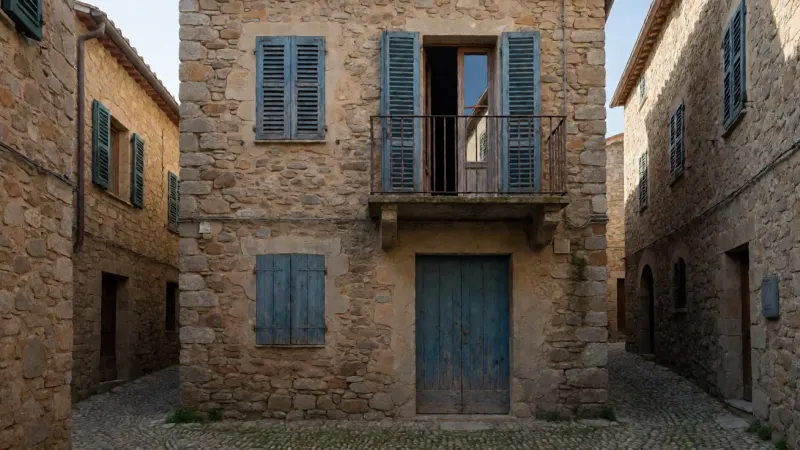
Experience True Italian Hospitality Firsthand
The host can be a valuable source of neighborhood information when they are available, but the level of contact varies. Before reserving, check whether the property offers an in-person welcome, a messaging contact, or self check-in. For restaurant or transit advice, ask focused questions and verify schedules and opening hours with the businesses or transport operator.
An attentive host can add useful context, but a stay does not need to become a cultural exchange to be worthwhile. You can enjoy a simple, well-run room while keeping your plans independent. Read multiple recent reviews for repeated, specific comments about communication and problem solving; avoid treating one glowing anecdote as a promise of the experience you will receive.
Unlock Unbeatable Value and Smarter Savings
A smaller property is not automatically cheaper than a hotel. Rates depend on city, dates, demand, room type, occupancy, breakfast, cancellation flexibility, and taxes or fees. Compare the full cost for the same dates and number of guests, including what you would otherwise pay for meals or transport. A lower nightly rate outside the center can become less attractive if getting around adds time and expense.
A local host may know nearby cafés, markets, and transit, but do not count estimated savings as part of a booking until you have checked current prices. Plan your own food and transport budget from menus, transit fares, and the places you expect to visit. A convenient recommendation can be helpful, while your itinerary and preferences still determine whether it is a good fit.
Stay in Prime Locations Within Historic Centers
Some small accommodations occupy historic buildings or central streets, while many others are outside major sightseeing zones or in modern buildings. Location is a feature to verify, not a benefit guaranteed by the word “pensione.” Check the map, nearest transit stop, walking route with luggage, stairs, and nighttime surroundings before you book.
A central address can be convenient, but it may also mean noise, stairs, limited vehicle access, or higher rates. Use a map to compare the accommodation with your planned sights, rail station, and late-night return route. Check recent reviews for specific comments about sound, construction, and access rather than relying on promotional phrases such as “in the heart of the city.”
Your Action Plan: How to Find and Book the Perfect Pensione
Searching for “pensione” can surface useful options, but broaden your search to “guesthouse,” “inn,” “affittacamere,” or the property type used by the regional tourism site. Search terms do not establish official status. Compare several listings with similar locations and dates, then verify their terms directly before paying.
Master the Art of the Digital Search
Some independent properties appear on major booking platforms and others use their own websites or local portals. Compare total prices and cancellation policies across channels, and confirm that the site you use belongs to the property or a recognized booking service. Do not assume a direct booking will always be cheaper; the total and protections depend on the specific offer.
Room count alone is not a dependable way to identify an intimate or well-managed place. Look instead for the features that affect your stay: room size, window and bathroom details, elevator access, air conditioning, breakfast hours, and whether the photos match the room category you are booking. Contact the property if a detail is missing or if mobility needs make stairs or narrow corridors important.
Learn to Read Between the Lines of Guest Reviews
Reviews can reveal recurring patterns, but they are individual reports and may not reflect current conditions. Read recent comments across more than one source and separate preferences from concrete issues. “Small room” may be fine for a short stay, while repeated reports of late check-in confusion or street noise may matter greatly. Confirm critical needs with the property in writing.
Specific examples about communication, cleanliness, and resolving problems are more useful than generic praise. Still, one guest’s positive interaction does not guarantee the same contact for another date or shift. Check recent reviews for consistency, note when they were posted, and ask the property a direct question before reserving if the answer affects your decision.
Consider the Power of Booking Directly
If you consider booking directly, compare the written offer with the platform’s terms. Ask for the total price, deposit and payment schedule, cancellation rules, arrival instructions, and confirmation in writing. A direct booking can make communication easier for some travelers, but it may change payment protections or dispute routes; choose the channel whose terms you understand.
Before arrival, share your expected check-in time using the property’s stated contact method and keep the response. Ask how to reach someone if travel is delayed and whether self check-in is available. These details are especially useful at small properties where reception hours may differ from those of a large hotel.
Setting Expectations: A Realistic Guide to Your Pensione Stay
To fully appreciate the charm of a pensione, it’s important to have the right expectations. This is not a full-service hotel, and that is precisely the point. Embracing the simplicity and unique character is key to a wonderful stay.
Navigating Check-In, Curfews, and House Rules
Do not assume reception hours from the word “pensione.” Some small accommodations have limited hours or use self check-in; others have staff available longer. Confirm the actual desk or access hours, late-arrival procedure, luggage storage, and emergency contact before you book. If your train or flight arrives late, get explicit written confirmation that the check-in plan works.
Quiet hours and building rules vary. A listing may set limits on visitors, noise, smoking, or access after a certain time; those are property rules, not an inherent feature of all pensioni. Read the house rules before paying and ask about anything that could conflict with your itinerary, especially late-night returns or early departures.
The Classic Italian Breakfast (Colazione)
Breakfast is not standardized by the term “pensione.” It may be included, offered for an additional fee, served in a nearby café, or unavailable. If breakfast matters, confirm the hours, menu, price, and whether it is included in your selected rate. Do not assume that an Italian breakfast will be identical at every region or property.
Breakfast preferences are personal, and a simple coffee and pastry may suit some travelers while others need a larger meal or an earlier opening time. Ask what is actually served and whether dietary needs can be accommodated. If you plan to leave before breakfast service, check whether the property permits an early departure and whether nearby cafés open in time.
Embracing Simplicity in Amenities
Facilities depend on the property. Before booking, confirm air conditioning or heating for your travel dates, private or shared bathroom, Wi-Fi, elevator, luggage storage, laundry, accessibility, and daily cleaning. Historic buildings can have stairs or layouts that differ from modern hotels, while newer guesthouses may offer more contemporary features. Verify the exact room category rather than relying on general descriptions.
A distinctive building or furnished room can be appealing, but charm is subjective and cannot substitute for practical details. Check whether the room has a window, whether it faces a busy street or courtyard, and whether the bed and bathroom are private. Look at photos associated with the room type you will book and ask about any detail that matters for sleep or mobility.
Exploring Further: Pensiones on the Italian Islands
The same caution applies on Sicily and other islands: names and accommodation types vary, and a property may be a hotel, guesthouse, room rental, or another locally regulated category. Compare the property itself rather than assuming that every island listing labeled “pensione” has the same style. For destination planning, our comparison of Sicily and Mallorca can help you think through the kind of trip and base you want.
If a small property is your base, check how you will reach the sights you actually plan to visit. For a city break, compare walking distances and transit; for a rural stay, check whether you need a car and where it can be parked. A scenic lane in a photograph does not tell you how easy it is to reach the accommodation with bags or late at night. If your trip covers several countries, our Switzerland, Italy, and Croatia itinerary guide can help you think through route order before you pick a base.
Essential Etiquette: The Unspoken Rules of a Pensione Stay
Good guest etiquette is straightforward: follow posted rules, respect neighbors, and communicate clearly. These habits are useful in any shared building, whether you booked a guesthouse, apartment, or hotel. If something is not working, tell the property promptly and politely so staff have a chance to address it during your stay.
Respect the “Home” Environment
Keep noise reasonable in shared areas and follow the property’s instructions for keys, rubbish, breakfast, and common spaces. Do not assume a host wants guests to treat the property like a private home, or that all properties have the same customs. Ask when instructions are unclear, especially about heating, air conditioning, or access after hours.
Communicate Your Plans Clearly
Share your expected arrival if the property requests it, and update them if your plans change. Confirm where to collect keys and how to contact the host without relying solely on a booking-platform message if you will be offline. These simple steps reduce check-in friction without requiring you to share more personal itinerary information than necessary.
Handling Payments and the Tourist Tax
Payment methods differ by property and by the booking channel. Check whether the reservation is prepaid, whether a deposit is due, and which payment methods are accepted for any balance or local charge. Ask for an itemized receipt and keep your booking confirmation. Do not assume a tourist tax is always payable in cash; amounts, collection methods, and exemptions can vary by municipality and accommodation, so ask the property for the current terms before arrival.
Your Key to a More Memorable Italian Journey
Choosing a smaller inn or guesthouse can suit travelers who value a particular location, personal contact, or a modest scale. It is not automatically more authentic, inexpensive, or convenient than a hotel. Make the decision against your own priorities: service hours, accessibility, room features, transport, total price, and cancellation flexibility.
You may receive more direct communication at a small property, but do not book on the promise of guaranteed friendships or insider access. A good stay can simply mean a clean room, clear arrival instructions, and a location that works for your plans. On your next trip, search broadly, verify the exact accommodation category and inclusions, and choose the place whose written terms fit your needs.