Planning a trip to Morocco often sparks a crucial question: is a guide necessary? You’ll find passionate arguments for both sides. Some travelers swear by the freedom of independent exploration, while others insist a local guide is the only way to truly unlock the country’s magic. The truth is, the right answer depends entirely on you, your travel style, and where you plan to go.
This guide will demystify the great debate, helping you decide when to hire a professional and when to bravely wander alone. We’ll explore the unique challenges and rewards of navigating this vibrant North African kingdom, ensuring you make the choice that’s perfect for your adventure.
The Great Debate: To Guide or Not to Guide?
The decision to hire a guide in Morocco isn’t a simple yes or no. It involves weighing the benefits of expert knowledge and logistical ease against the allure of spontaneous discovery. Understanding the distinct advantages of each approach is the first step toward planning a flawless trip.
The Case for “Yes”: When a Guide Is Your Best Investment
For many, a guide is an indispensable asset. They transform a potentially stressful experience into a seamless one. A licensed guide provides historical context, cultural nuance, and invaluable local insight that you simply can’t get from a guidebook. They are storytellers who bring ancient ruins and bustling medinas to life.
Safety and efficiency are also huge factors. A guide helps you navigate with confidence, avoiding common tourist scams and steering you away from potentially uncomfortable situations. They handle logistics like transportation and tickets, saving you precious time and energy to simply soak in the experience.
The Freedom of “No”: When to Confidently Go Solo
On the other hand, there’s an undeniable thrill in charting your own course. For the seasoned traveler who thrives on spontaneity, exploring Morocco independently can be incredibly rewarding. You have the ultimate flexibility to linger longer at a cafe, follow a tantalizing scent down a narrow alley, or change your itinerary on a whim.
Going solo allows for unscripted interactions and personal discoveries. It forces you to engage directly with your surroundings, rely on your instincts, and create a truly unique journey. In less complex areas and smaller towns, independent travel is not only possible but often preferred for those seeking adventure.
Decoding the Medinas: Why Cities Like Fes and Marrakech Are Different
Morocco’s ancient walled cities, or medinas, are a world unto themselves. These labyrinthine networks of narrow alleyways are the cultural and commercial heart of cities like Fes and Marrakech, but they present unique navigational challenges.
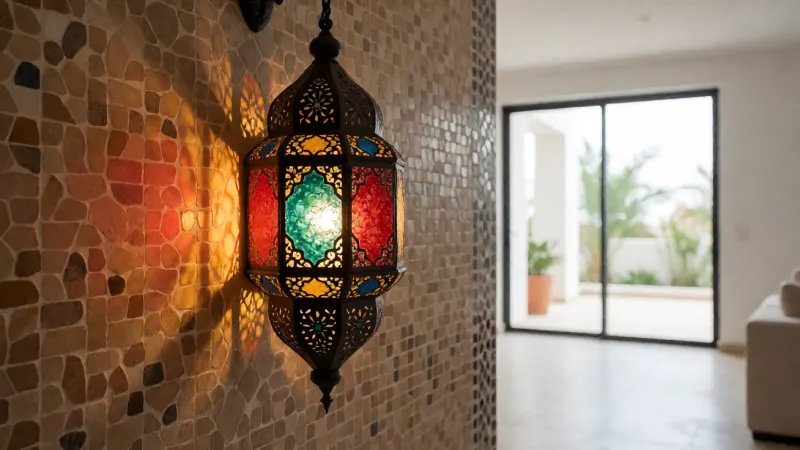
Navigating the Labyrinth: The Fes Medina Experience
The Fes el-Bali medina is a UNESCO World Heritage site and one of the world’s largest car-free urban areas. With over 9,000 winding, often unmapped streets, getting lost is not a matter of if, but when. Here, a guide is highly recommended, at least for your first day.
An official guide can efficiently lead you to key historical sites, artisan workshops, and the famous tanneries, all while explaining their significance. Making this choice can be a critical part of your travel planning, much like deciding between destinations in our Fes or Meknes? The Ultimate Imperial City Showdown article. Once you have your bearings, you might feel more confident exploring on your own.
Marrakech’s Djemaa el-Fna and Beyond: A Different Kind of Challenge
Marrakech’s medina, while still complex, is generally considered easier to navigate than Fes. The central square, Djemaa el-Fna, serves as a useful anchor point. However, the sheer intensity of the souks and the prevalence of touts and unofficial “helpers” can be overwhelming.
A guide in Marrakech can act as a cultural buffer, helping you politely decline unwanted attention and bargain respectfully with shopkeepers. They can lead you to hidden gems and authentic experiences away from the main tourist crowds, making your visit more enjoyable and less stressful.
The Anatomy of a Moroccan Guide: Official vs. “Faux” Guides
Understanding the distinction between different types of guides is crucial for a safe and positive experience. The Moroccan government strictly regulates the tourism industry, and only licensed professionals are authorized to guide visitors.
What is a Licensed, Official Guide? (And Why It Matters)
An official, licensed tour guide is a trained professional certified by the Ministry of Tourism. They have undergone extensive education in history, culture, and foreign languages. You can identify them by an official badge they are required to wear.
Hiring an official guide ensures you are receiving accurate information and supporting the legitimate tourism industry. They are held to a professional standard and are your best resource for a rich, in-depth experience. You can typically hire one through your hotel or riad, a reputable tour agency, or the local tourism office.
Spotting the Red Flags: How to Avoid Unofficial Guides and Scams
Unofficial guides, often called “faux guides,” will frequently approach tourists in medinas or near major attractions, offering their services. While some may be genuinely helpful, many are involved in scams. They might lead you to their friend’s shop where you’ll face high-pressure sales tactics or demand exorbitant payment for their “help.”
Be wary of anyone who approaches you unsolicited and insists on showing you the way, especially if they claim a particular street is “closed.” A firm but polite “no, thank you” (“la, shukran” in Arabic) is usually effective. Official guides will not solicit business in this manner.
| Feature | Official Licensed Guide | Unofficial “Faux” Guide |
|---|---|---|
| Credentials | Certified by the Ministry of Tourism; wears an official badge. | No official credentials or training. |
| Hiring Process | Booked through hotels, riads, tour agencies, or tourist offices. | Approaches you on the street, often unsolicited. |
| Knowledge | In-depth, accurate historical and cultural knowledge. | Often provides basic, sometimes incorrect, information. |
| Motivation | To provide a professional service and share cultural heritage. | Often motivated by commissions from shops or direct payment scams. |
| Safety & Reliability | Accountable and professional; provides a safe experience. | Unreliable; may lead you to uncomfortable or high-pressure situations. |
Beyond the City Walls: When a Guide is Non-Negotiable
While a guide is a strong recommendation for the imperial cities, it becomes a near necessity when your adventures take you into Morocco’s dramatic natural landscapes. For certain excursions, going without a professional is not just ill-advised, it can be dangerous.
Trekking the Atlas Mountains
The rugged beauty of the Atlas Mountains offers some of North Africa’s best trekking. However, the trails can be challenging and weather conditions can change rapidly. A certified mountain guide is essential for safety and navigation.
These local experts, often of Amazigh (Berber) descent, possess intimate knowledge of the terrain, weather patterns, and local culture. They ensure your trek is safe and enrich the experience by facilitating interactions with local communities, turning a beautiful hike into a profound cultural immersion.
Sahara Desert Expeditions
A journey into the Sahara Desert is a bucket-list experience for many. To do it safely and responsibly, a guided tour is the only viable option. Navigating the vast, unmarked desert requires specialized knowledge and equipment.
Reputable tour operators provide experienced drivers, appropriate 4×4 vehicles, and all the necessary camping gear for an overnight stay in a desert camp. They handle all logistics, from camel treks across the dunes to preparing traditional meals, allowing you to simply marvel at the breathtaking landscape and the star-filled night sky.
The Financial Equation: Is a Guide Worth the Cost?
Cost is a significant factor for any traveler. While hiring a guide is an added expense, it’s important to consider it an investment in the quality and smoothness of your trip. Sometimes, what seems like a splurge can actually provide hidden value.
Breaking Down the Costs: What to Expect
The cost of a licensed guide varies by city and duration. A half-day tour (3-4 hours) in a major city like Fes or Marrakech typically costs between 300 and 400 Moroccan Dirhams (MAD), while a full day (6-8 hours) can range from 500 to 600 MAD. These prices are usually per group, not per person, making it quite affordable for families or small groups.
It’s important to clarify what is included. The guide’s fee covers their time and expertise. Entrance fees to monuments, meals, and transportation are typically extra. The right luggage can also impact your budget and ease of travel; exploring options like those in our Samsonite Freeform vs. Away comparison can save you hassle on Morocco’s varied terrain.
The Hidden Value: Saving Time, Money, and Stress
A good guide can actually save you money. They know the fair prices for taxis and can help you navigate the art of bargaining in the souks, preventing you from overpaying. More importantly, their efficiency saves you time, allowing you to see and do more than you could on your own.
Ultimately, the biggest value is the reduction of stress. By removing the challenges of navigation, language barriers, and tourist hassles, a guide allows you to be fully present and enjoy the magic of Morocco. This peace of mind is often priceless, transforming your vacation from a logistical challenge into the relaxing and enriching experience it should be, a different kind of peace than you might find comparing options in our Riu vs Sandals showdown for all-inclusive resorts.
How to Find and Vet the Perfect Moroccan Guide
Once you’ve decided to hire a guide, the next step is finding a reputable one. Taking the time to find the right person can make all the difference in your travel experience. It’s about finding a personality and expertise that matches your interests.
Reputable Sources: Riads, Tour Companies, and Online Platforms
The most reliable way to hire a licensed guide is through your accommodation. Reputable riads and hotels have established relationships with trusted local guides and will arrange everything for you. This is often the safest and most convenient option.
You can also book guides through well-reviewed national or local tour companies. Online platforms like GetYourGuide or Airbnb Experiences can also be good resources, as you can read reviews from previous travelers. The official tourist office in each city can also provide a list of licensed guides.
The Vetting Process: Questions to Ask Before You Hire
Before committing, it’s wise to have a brief conversation with your potential guide. This allows you to gauge their language skills and personality. Don’t be afraid to ask questions to ensure they are a good fit for your interests.
Ask about their license, their experience, and their specialty. Clearly communicate your interests, whether they be history, food, shopping, or photography. A great guide will be able to tailor the tour to your preferences, creating a personalized and memorable experience.
Your Trip, Your Choice: A Final Verdict
So, do you need a guide in Morocco? The answer is a nuanced “it depends.” For navigating the complex medinas of Fes and Marrakech, especially for first-time visitors, a guide is a wise investment that enhances the experience and minimizes stress. For adventures in the Atlas Mountains or the Sahara Desert, a professional guide is non-negotiable for safety and access.
However, in smaller towns or for seasoned travelers who relish a challenge, independent exploration offers its own unique rewards. The best approach may be a hybrid one: hire a guide for a day to get oriented in a new city, then use that knowledge to explore confidently on your own. Ultimately, understanding your own travel style and the specific demands of your itinerary will lead you to the right choice, ensuring your Moroccan adventure is everything you dreamed it would be.