You’re standing in the boarding line, bus ticket in hand. You have your carry-on bag for the overhead bin, but you also have your purse with your wallet, phone, and essentials.
A sudden wave of anxiety hits. Does Greyhound count your purse as your one allowed carry-on? Will you be forced to check a bag and pay an unexpected fee?
This confusion is a common source of stress for passengers. The line between a “personal item” and a “carry-on bag” can seem blurry, but understanding the difference is key to a smooth journey. This guide provides a definitive answer and breaks down everything you need to know about Greyhound’s baggage policy.
The Official Greyhound Carry-On Policy: Deconstructed
Greyhound’s official policy aims to provide clarity and ensure enough space for all passengers. The rules are structured to allow for the essentials you need during your trip and the larger items you need at your destination.
Every passenger is permitted to bring one carry-on bag and one personal item on board at no additional charge. The primary distinction between these two items comes down to size and where they are stored on the bus.
What Is a Carry-On Bag?
Your carry-on bag is the larger of your two items. This is the bag that you will need to store in the overhead compartment above your seat. Think of a small duffel bag, a weekender bag, or a standard backpack.
Greyhound specifies that this bag must not exceed 25 lbs (11 kg) and its dimensions (length + width + height) must not total more than 62 inches. It must be small enough to fit in the overhead bin to keep the aisles and seating areas clear and safe for everyone.
What Is a Personal Item?
Your personal item is a much smaller bag that should fit comfortably under the seat in front of you. This item is meant to hold your immediate necessities for the journey: your ticket, ID, wallet, phone, medications, snacks, and a book or tablet.
This is where your purse comes into the picture. A purse is the classic example of a personal item, designed to be kept with you at all times for easy access and security.
So, Does a Purse Count as a Carry-On? The Simple Answer
Let’s clear this up immediately: No, a standard purse does not count as your main carry-on bag. Greyhound considers a typical handbag, shoulder bag, or clutch to be your personal item. This means you can bring your purse on board in addition to a separate, larger carry-on bag.
This policy is a huge relief for travelers who need their personal belongings close. You do not have to try and cram your purse into your other luggage. It can remain with you, tucked safely under your seat.
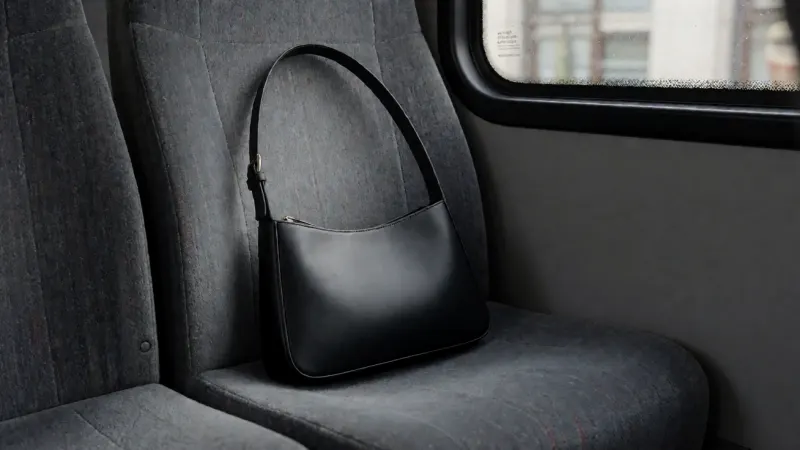
The key word, however, is “standard.” If your “purse” is an oversized tote bag that’s as large as a piece of luggage, a driver might question it. The expectation is that the personal item is visibly smaller than the main carry-on and can be safely stowed at your feet without obstructing the walkway.
Beyond the Purse: What Else Qualifies as a Personal Item?
The “personal item” category is flexible and extends beyond just purses. Understanding what else qualifies can help you pack more efficiently and avoid any confusion at the station.
Other common examples of items that are generally accepted as your personal item include:
- A laptop bag or briefcase: These are designed to carry electronics and documents and typically fit well under a seat.
- A small backpack or drawstring bag: As long as it’s not a full-sized hiking pack, a small backpack often passes as a personal item.
- A camera bag: A compact bag designed to protect your camera equipment is usually acceptable.
- A diaper bag: For those traveling with infants, a diaper bag is considered a personal item.
The guiding principle is size and function. If the item is small enough to fit under the seat and contains things you’ll need during the ride, it’s likely considered a personal item.
Greyhound Baggage Allowance at a Glance
To make it even clearer, here is a simple breakdown of what you can bring on your Greyhound trip. This table summarizes the allowances for all types of bags you might travel with.
| Bag Type | Allowance | Storage Location | Typical Examples |
|---|---|---|---|
| Personal Item | 1 Free | Under your seat | Purse, laptop bag, small backpack |
| Carry-On Bag | 1 Free | Overhead bin | Duffel bag, weekender, large backpack |
| First Checked Bag | 1 Free (on most routes) | Under the bus | Large suitcase |
| Additional Checked Bags | Fee applies | Under the bus | Second or third large suitcase |
The Unwritten Rules: Driver Discretion and Real-World Experiences
While the official policy is clear, it is important to remember that the Greyhound driver or terminal staff have the final say. Enforcement can sometimes vary from one location or driver to another. A bus that is completely sold out may see stricter enforcement to ensure there is room for everyone’s belongings.
The best approach is to be prepared and make the process easy for everyone. Have your bags organized and ready when boarding. A traveler who looks prepared and has reasonably sized bags is almost never going to face an issue.
If your personal item is on the larger side, be courteous and ready to show that it can fit under the seat. Arguing with the driver is never a productive strategy and will only cause delays for you and other passengers.
Pro Tips for Stress-Free Boarding with Your Bags
Knowing the rules is the first step. The next is using that knowledge to pack strategically for a seamless travel day. Follow these tips to board with confidence.
1. Master the Two-Bag Strategy
Pack your two bags with purpose. Your larger carry-on in the overhead bin should hold items you won’t need until you arrive, like clothes and toiletries. Your personal item—your purse—is for everything you need during the trip.
Inside your purse, you should always keep essential travel documents like your ticket and a government-issued ID. For international travel, this would include your passport, and ensuring you use a reliable service for travel documents is critical; a common question is is 24 Hour Passport and Visas legit for such important needs.
2. Keep Valuables and Essentials With You
Never put critical items in the overhead bin or in a checked bag under the bus. Your personal item should always contain your wallet, phone, keys, medications, and any valuable electronics. This ensures they are safe and accessible throughout the journey.
Ensuring your valuables are with you is a key part of travel, but it’s also wise to consider your overall security. Many travelers wonder, is Greyhound safe for solo trips or long journeys?
3. Plan Your Entire Trip in Advance
A smooth journey starts long before you get to the bus station. Planning your Greyhound trip involves more than just packing. Once you arrive, you’ll need a place to stay, and many travelers look for reliable booking platforms, often asking is Agoda legit for securing accommodations.
4. If in Doubt, Consolidate
If you are worried that your purse and another small bag might be viewed as two personal items, try to consolidate them before boarding. Placing a small clutch or handbag inside your larger tote bag or backpack for the few moments you are in the boarding line can prevent any potential issues.
Frequently Asked Questions About Greyhound Luggage
Even with the rules explained, some specific scenarios can cause confusion. Here are quick answers to some of the most common questions passengers have.
Can I bring a backpack and a purse on Greyhound?
Yes, this is the most common combination for travelers. Your backpack will serve as your main carry-on bag (to be stored in the overhead bin), and your purse will be your personal item (stored under your seat).
What happens if my carry-on bag is too big or heavy?
If your carry-on bag exceeds the 25 lb weight limit or is too large for the overhead bin, you will be required to check it. If this is your first checked bag, it will likely be free, but if you already have a checked bag, you will have to pay the standard fee for an additional piece of luggage.
Can I bring food and drinks on the bus?
Yes, you are allowed to bring snacks and drinks on board. It is best to keep these in your personal item for easy access. Just be considerate of other passengers by avoiding messy or strong-smelling foods.
Final Thoughts: Travel with Confidence
You can now board your next Greyhound bus with complete confidence. Your purse is considered a personal item and is welcome on board in addition to your primary carry-on bag.
By understanding the official policy and packing strategically, you eliminate the guesswork and anxiety from your travel day. Focus on the journey ahead, knowing that your belongings are properly stowed and within the rules.