The feeling is a familiar one for any international traveler: the low-grade anxiety that builds as you wait at the baggage carousel. You watch dozens of similar-looking suitcases glide by, all while asking yourself, “Did they open my bag? Does customs go through your luggage?” This uncertainty can cast a shadow over the excitement of arrival, leaving many passengers confused about their rights, the inspection process, and what might trigger an unwanted search.
This lack of clarity is a significant problem. It can lead to unnecessary stress and, in some cases, serious complications at the border. Understanding the intricate dance between airport security and customs enforcement is the first step toward a smoother, more predictable travel experience. This article will demystify the entire process, explaining exactly who is looking in your bags, why they’re doing it, and what you can do to navigate customs with confidence.
The Unseen Journey: What Happens to Your Bags After Check-In?
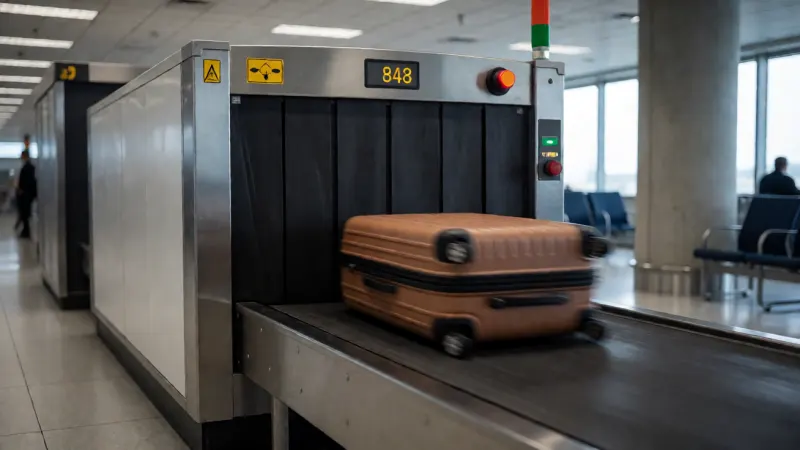
Once you hand over your suitcase at the check-in counter, it embarks on a complex journey largely hidden from view. Your bag is tagged and sent via a labyrinth of conveyor belts to a screening facility. Here, powerful machines, including Explosive Detection Systems (EDS) that use technology similar to medical CT scans, electronically examine the contents of every single checked bag. This initial screening is performed by the Transportation Security Administration (TSA) or a similar security body in other countries.
The vast majority of luggage passes this electronic inspection without issue and proceeds directly to the aircraft’s cargo hold. However, if the scanning technology flags an anomaly—an unidentifiable shape, a density that could indicate explosives, or a restricted item—the bag is diverted for a physical inspection by security personnel. This is often when a TSA agent might open your bag, leaving a “Notice of Baggage Inspection” inside if they do.
Customs vs. TSA: Who’s Searching Your Luggage and Why?
It’s crucial to understand that the TSA and Customs and Border Protection (CBP) are two different agencies with distinct missions. The TSA’s primary role is to ensure the security of transportation, preventing dangerous items from being carried onto airplanes. Their searches, which happen before your flight departs, are focused on threats to the aircraft and passengers.
Customs, on the other hand, is a federal law enforcement agency responsible for managing, controlling, and protecting the nation’s borders. When you arrive in a new country, it is the customs officials who may inspect your luggage. Their goal is to prevent illegal goods from entering the country, such as narcotics, counterfeit merchandise, prohibited agricultural products, and undeclared currency. A customs search happens after you land and retrieve your bags, just before you exit the airport.
Red Flags: What Triggers a Physical Customs Luggage Search?
While some luggage inspections are entirely random, customs officers are trained to look for specific indicators that suggest a traveler may be violating the law. Being selected for a secondary, more thorough inspection is often not a matter of bad luck but a result of specific triggers. Understanding these can empower you to avoid unintentional scrutiny.
Key triggers include discrepancies on your declaration form, suspicious answers to officer questions, or behavioral cues like excessive nervousness. Advanced intelligence, such as being on a government watchlist, can also lead to an automatic secondary screening. The origin and destination of your flight play a role as well; travel from countries known as sources for illegal drugs or counterfeit goods often receives closer attention.
A Closer Look at High-Risk Items
Certain categories of goods are almost guaranteed to draw the interest of customs agents. Being aware of these high-risk items is the first step in avoiding potential complications.
- Food and Agricultural Products: Many travelers are unaware of the strict regulations on bringing fruits, vegetables, meats, and seeds across borders. These rules are in place to prevent the introduction of foreign pests and diseases that could devastate local agriculture. Always declare any food items you are carrying.
- Large Amounts of Currency: While it is not illegal to travel with large sums of money, most countries require you to declare currency and monetary instruments exceeding a certain value (for example, $10,000 in the U.S.). This is to combat money laundering and terrorist financing.
- Counterfeit Goods: That “designer” handbag you bought for a bargain on vacation could cause you major problems. Importing counterfeit merchandise is illegal and can result in the seizure of the goods and significant fines.
- Medications: Traveling with medication, especially controlled substances, requires proper documentation. Always carry a copy of your prescription and keep medications in their original, labeled containers.
The Search Itself: What to Expect When Customs Opens Your Bag
If you are selected for a physical inspection, you will be directed to a secondary screening area. In most cases, the search of your checked luggage will be conducted in your presence. The officer will ask you to place your bags on an inspection table and may ask you to open them. It is your responsibility to comply with their instructions calmly and courteously.
Officers are looking for any items that violate the country’s laws—prohibited goods, undeclared items, or anything that contradicts the information you provided on your declaration form. While you have the right to be treated professionally, you do not have the right to refuse a search at a port of entry. Resisting or arguing can lead to delays and potentially more serious consequences. If your property is damaged during the search, you can file a claim, but be aware that compensation is not guaranteed.
Proactive Steps for a Hassle-Free Customs Experience
The best way to handle a customs inspection is to avoid being flagged for one in the first place. A few proactive steps can significantly reduce your chances of a lengthy delay and ensure a smooth passage through the airport.
The single most important rule is to declare, declare, declare. Honesty is always the best policy. It is far better to declare an item you are unsure about and have an agent tell you it’s fine (or confiscate it without penalty) than to be caught actively concealing something. Before you travel, research the customs regulations for your destination country by visiting their official government website.
Navigating Tricky Situations
Packing smart can make a world of difference. Keep your luggage organized, making it easy for an agent to see what’s inside if a search is necessary. Avoid bringing prohibited items altogether. For complex international trips involving tight deadlines, some travelers may look into document services, leading them to ask, is 24 Hour Passport and Visas legit? While such services can assist with travel documents, they have no bearing on customs procedures, which are universal for all travelers.
To provide clarity on one of the most common areas of confusion, here is a general guide for declaring food items when entering the United States:
| Item Category | Generally Allowed (Still Must Be Declared) | Generally Prohibited or Restricted | Pro-Tip |
|---|---|---|---|
| Dairy & Cheese | Hard cheeses, butter, yogurt, powdered milk | Soft cheeses (like brie and feta) from certain regions, milk | Solid cheese that doesn’t contain meat is typically admissible. |
| Meats & Poultry | Canned meats and seafood (in limited quantities) | Fresh, dried, or cured meats and poultry products | Assume all meat products are prohibited unless commercially canned and sealed. |
| Fruits & Vegetables | Canned, cooked, or dried produce | Most fresh fruits and vegetables | Fresh produce can carry invasive pests and is heavily restricted. |
| Sweets & Baked Goods | Cookies, cakes, bread, chocolate, candy | Baked goods containing meat or raw eggs | Commercially packaged and labeled items are your safest bet. |
The Aftermath: What Happens if Prohibited Items are Found?
The consequences of a customs violation vary widely depending on the nature of the prohibited item and the perceived intent of the traveler. For a simple mistake, like forgetting about an apple in your carry-on that you declared, the item will likely just be confiscated and discarded.
However, for undeclared items, the penalties can be more severe. You could face on-the-spot fines, which can be substantial. For more serious offenses, such as attempting to smuggle drugs or large quantities of counterfeit goods, the consequences can include arrest, criminal prosecution, and imprisonment. Furthermore, a customs violation is recorded, which can flag you for more intensive searches on all future international trips.
Digital Luggage: Does Customs Search Your Phone and Laptop?
In our modern, digitally connected world, the “luggage” that contains our most private information is often our electronic devices. A question of growing concern for travelers is whether customs agents have the authority to search phones, tablets, and laptops. The answer, in many countries including the United States, is yes.
At a U.S. port of entry, CBP officers have the authority to conduct a search of your electronic devices without a warrant. This authority is based on the legal principle that searches at the border are a unique circumstance. Officers can ask you to unlock your device, and if you refuse, they may detain the device for further inspection. To protect your privacy, consider traveling with a “clean” device that contains only essential information, and store sensitive data in a secure cloud service, as agents are generally not permitted to search data stored remotely.
Ultimately, a traveler’s journey through customs is a manageable process when approached with knowledge and preparation. Thorough planning, from understanding agricultural rules if you’re exploring a new destination and wondering is Hawaii overrated and want to bring back local flora, to deciding if is Expedia cancellation protection worth it for your peace of mind, should always include a review of customs regulations.
While a customs search can feel invasive, it’s a standard part of international travel. By being honest on your declaration form, packing thoughtfully, and maintaining a cooperative attitude, you can navigate the process smoothly. The key is to remember that preparation and honesty are your most valuable travel companions, ensuring your journey ends on a positive note, free from unnecessary stress or penalties.