You’ve seen the pictures: colossal brown bears swatting at salmon, emerald green mountains plunging into a steel-blue ocean, and rugged fishing boats dotting a misty harbor. This is Kodiak Island, Alaska’s “Emerald Isle.” But beyond the picture-perfect postcards lies a crucial question for any traveler: is Kodiak Island worth the trip?
The hesitation is understandable. It’s remote, the weather is famously unpredictable, and a trip requires a significant investment of time and money. For many, the allure is shadowed by logistical questions and the fear that it might be a destination reserved only for the most hardcore adventurers.
The Kodiak Conundrum: Why Travelers Hesitate
Planning a trip to this massive island, the second largest in the United States, often begins with a mix of excitement and apprehension. The primary concern for most is accessibility and cost. Getting to Kodiak typically involves a flight from Anchorage, or a long journey on the Alaska Marine Highway ferry, both of which can be considerable expenses.
Furthermore, the island’s reputation precedes it. It’s known for the Kodiak brown bear, the largest subspecies of brown bear in the world. While seeing these magnificent creatures is a primary draw, it also brings concerns about safety and the cost of guided tours, which are the safest and most reliable way to view them. Potential visitors wonder if there’s enough to do beyond bear viewing to justify the expense, especially if traveling with family or those less inclined toward rugged wilderness treks.
Decoding the Emerald Isle: What Kodiak Truly Offers
To determine if Kodiak is worth it, one must look past the challenges and see the island for what it is: a multi-faceted destination with a surprisingly diverse range of attractions. It’s a place where immense natural beauty coexists with a rich tapestry of history and culture. The key is understanding that Kodiak offers different experiences for different types of travelers.
This isn’t just a destination; it’s an immersive Alaskan experience that remains more raw and less commercialized than many other parts of the state. The value of a visit lies not just in the activities, but in the feeling of being in a truly wild and authentic place.
Beyond the Bears: A Surprising Array of Activities
While the Kodiak National Wildlife Refuge, home to about 3,500 brown bears, is a crown jewel, the island’s appeal is far broader. The outdoor opportunities are immense and cater to various skill levels. World-class fishing is a major draw, with charters available for salmon, halibut, and various rockfish.
Hiking is another premier activity, with trails ranging from easy coastal walks to challenging mountain ascents. Fort Abercrombie State Historical Park offers accessible trails that wind through lush Sitka spruce forests, past historic World War II bunkers, and along dramatic cliffs with stunning ocean views. For more strenuous treks, trails like Pyramid Mountain and Barometer Mountain offer panoramic vistas that are well worth the effort.
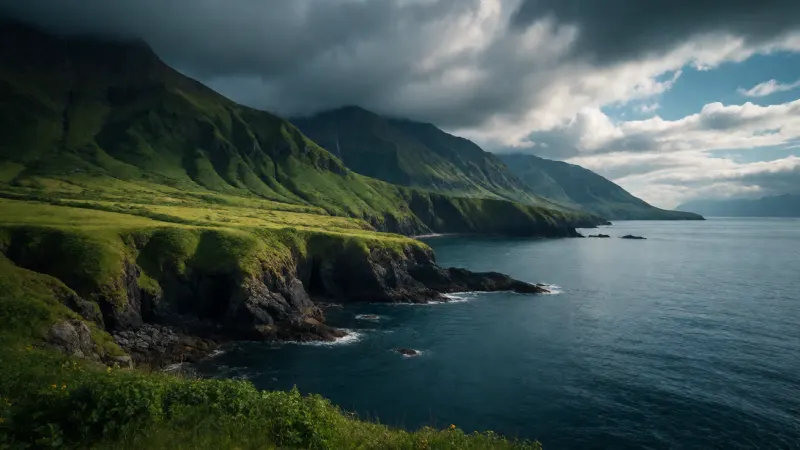
The coastline itself is an adventure. Sea kayaking provides an intimate way to explore protected bays, watch for puffins and sea otters, and even spot whales. The island’s road system, though limited to about 100 miles, offers a fantastic road trip experience, taking you to scenic spots like Fossil Beach, known for its tide pools and, as the name suggests, fossils.
A Living Tapestry: Culture and History
Kodiak’s value extends beyond its natural splendor. The island has a rich history that tells a broader Alaskan story. It has been home to the Alutiiq/Sugpiaq people for over 7,000 years, and their heritage is thoughtfully preserved and shared at the excellent Alutiiq Museum.
The island was also the first capital of Russian America, a history visible in the Holy Resurrection Cathedral, with its distinctive blue onion domes. The Kodiak History Museum (formerly the Baranov Museum), housed in the oldest standing building in Alaska, offers further insight into this period and the island’s subsequent American history, including its vital role in World War II and the devastating 1964 earthquake.
This blend of Native, Russian, and American history provides a cultural depth that many other Alaskan wilderness destinations lack. It offers a compelling narrative that enriches the travel experience, providing context to the rugged landscape.
Your Ultimate Kodiak Itinerary Planner
Deciding if Kodiak is worth visiting comes down to aligning the island’s offerings with your personal travel style, budget, and timeline. The key is careful planning. By understanding the logistics and seasonal variations, you can craft a trip that maximizes value and delivers an unforgettable adventure.
Many visitors find that a 5-7 day trip is ideal for experiencing the highlights without feeling rushed. This allows time for a wildlife tour, a day of fishing or hiking, and exploration of the historical and cultural sites in and around the city of Kodiak.
When to Go: Aligning Your Visit with Your Goals
The “best” time to visit Kodiak depends entirely on your priorities. The summer months, from June to September, offer the mildest weather and the widest range of activities. This is the peak season for tourism, fishing, and wildlife viewing.
However, the shoulder seasons of May and October can also be rewarding, with fewer crowds and unique wildlife viewing opportunities. Winter travel is for the more adventurous, offering a chance to see a snow-dusted landscape and potentially the northern lights, though many services are limited.
| Season | Months | Primary Activities | Considerations |
|---|---|---|---|
| Spring | April – May | Whale migration (gray whales), early fishing season, bird watching. | Weather is still unpredictable and cool. Fewer crowds. |
| Summer | June – August | Peak bear viewing (especially July-August), salmon and halibut fishing, hiking, kayaking, festivals (Kodiak Crab Festival in May). | Highest visitor numbers and prices. Book accommodations and tours well in advance. |
| Fall | September – October | Silver salmon fishing, bear viewing continues, fall foliage. | Weather becomes cooler and wetter. Daylight hours decrease. |
| Winter | November – March | Storm watching, cross-country skiing, potential for Northern Lights. | Harsh weather, limited daylight, many tourist services are closed. |
Getting There and Getting Around: Logistics Made Simple
Your journey to Kodiak will begin with a choice between air and sea. Alaska Airlines offers multiple daily flights from Anchorage, which is the fastest option, taking about an hour. The Alaska Marine Highway ferry from Homer is a more scenic and leisurely alternative, taking approximately 9.5 hours, but allows you to bring a vehicle.
Once on the island, renting a car is highly recommended to explore the road system. Options are available at the airport, but it’s wise to book in advance, especially during peak season. Driving an SUV or similar vehicle can be beneficial for navigating some of the local roads. Taxis and some tour operators also provide transportation services.
Budgeting for the Last Frontier: A Realistic Cost Breakdown
A trip to Kodiak is not a budget vacation, but it can be managed with careful planning. Major expenses will include flights or ferry transport, accommodation, vehicle rental, and guided tours. Bear viewing tours, often involving a floatplane trip to a remote area, are typically the most significant single expense, but also the most memorable for many.
To manage costs, consider traveling in the shoulder season, booking accommodations with kitchen facilities to prepare some of your own meals, and focusing on free activities like hiking and exploring the road system. Shore-based fishing can also be a more affordable alternative to a full-day charter.
Beyond the Beaten Path: The Kodiak Advantage
What truly sets Kodiak apart from more accessible Alaskan destinations like Denali or the Kenai Peninsula is its raw authenticity. The island has a robust, year-round community grounded in the fishing industry, not just tourism. This gives it a lived-in, genuine feel that can be harder to find in more seasonally driven locations.
The effort it takes to get here acts as a natural filter, meaning the trails and viewpoints are less crowded. You’re more likely to have a sense of solitude and discovery. This is an adventure for the traveler who wants to step just a little further off the beaten path and experience a wilder, more untamed piece of Alaska.
The Verdict: Is Kodiak Island Your Next Great Adventure?
So, is Kodiak Island worth visiting? The answer is a resounding yes, for the right traveler. If you are seeking a destination that beautifully marries rugged wilderness with rich history, offers world-class outdoor recreation, and retains an authentic Alaskan spirit, then Kodiak is absolutely worth the journey.
It is worth it for the adventurer who wants to feel small against a vast, green landscape. It is worth it for the angler dreaming of trophy salmon and halibut. It is worth it for the wildlife enthusiast who wants to see brown bears in their natural, magnificent element. And it is worth it for the curious traveler eager to understand the deep cultural layers of the Last Frontier.
The key is to arrive with a spirit of adventure and a respect for the wildness of the place. Embrace the unpredictable weather, invest in the experiences that matter most to you, and you will be rewarded with a trip that feels less like a vacation and more like a true exploration.