You’re planning a trip to Boston and the Seaport District, with its gleaming towers and waterfront views, has caught your eye. But a nagging question lingers: is the Seaport District in Boston safe? It’s a valid concern for any traveler exploring a new, bustling urban environment, especially one that has transformed as rapidly as this neighborhood.
Many visitors feel a sense of uncertainty when faced with a newly developed area. They wonder if the modern facade hides underlying safety issues, particularly after dark when the vibrant nightlife scene comes alive. This guide is here to address those concerns head-on, providing a clear, data-driven, and practical answer to ensure your visit is enjoyable and worry-free.
Decoding the Seaport’s Safety Reputation
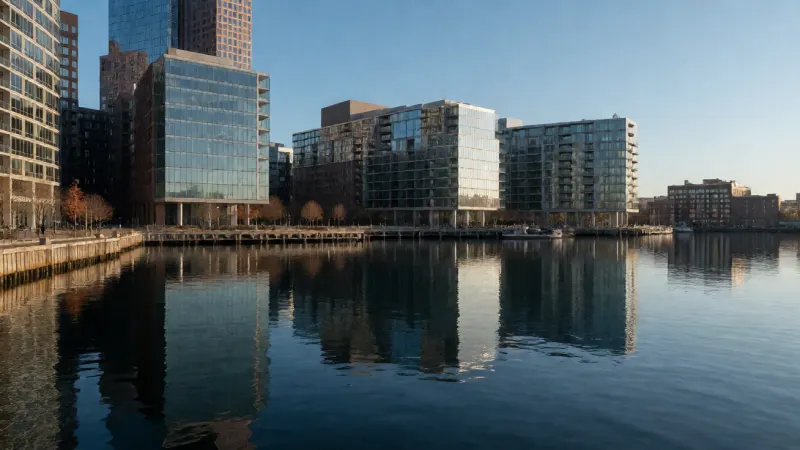
The Boston Seaport has undergone a remarkable transformation from industrial port lands to one of the city’s most dynamic and modern neighborhoods. This rapid development means it’s clean, well-lit, and constantly bustling with residents, office workers, and tourists. This constant activity is a significant deterrent to crime, creating a tangible sense of security.
Generally, the Seaport is considered a very safe part of Boston. Like any major city district, it’s not entirely free of crime, but the incidents that do occur are predominantly non-violent. The area’s reputation is that of a prosperous, high-end neighborhood where safety is a priority for both public and private entities.
Analyzing the Data: What Crime Statistics Really Say
When evaluating the safety of an area, it’s crucial to look beyond perception and examine the actual data. The Boston Police Department provides public access to crime statistics, which offer a clearer picture. In the Seaport, violent crime rates are notably low and are significantly below the city’s average. This makes it one of the safer neighborhoods in Boston for both violent and overall crime.
However, it’s important to note a distinction. While violent crime is rare, property crime, such as larceny or theft, is statistically higher. This is a common trend in commercial and entertainment districts with high concentrations of shops, restaurants, and visitors. Thieves may target unattended bags or valuables left in cars, making situational awareness a key part of personal safety.
The Unseen Layer of Security: A Modern Approach
What many analyses of the Seaport’s safety overlook is the immense investment in modern security infrastructure. The district was built from the ground up with safety in mind. This includes a comprehensive network of high-visibility private security patrols that supplement the Boston Police presence, extensive CCTV coverage, and thoughtfully designed public spaces with excellent lighting.
This “smart city” approach to security creates an environment where potential criminals are actively deterred. The combination of public policing, private security, and technological surveillance works in concert to maintain a high level of safety that isn’t always reflected in raw crime data alone. This proactive, layered security is a defining feature of the Seaport’s environment.
Nightlife and After-Hours: A Special Look at Seaport Safety
The Seaport is famous for its vibrant nightlife, with a dense collection of popular bars, high-end restaurants, and entertainment venues. Naturally, concerns about safety can increase after dark. However, the same factors that make the area safe during the day are still at play, and often amplified, at night.
The streets remain well-lit and are filled with people well into the evening, providing a natural “safety in numbers” effect. Bouncers and staff at establishments are an added layer of security, and the police presence is typically heightened during peak weekend hours. While isolated incidents can occur, as in any nightlife district, exercising standard precautions is usually all that is needed to have a safe and enjoyable night out.
A Comparative Look: Seaport vs. Other Boston Neighborhoods
To provide context, it’s helpful to compare the Seaport to other popular Boston neighborhoods. While areas like the North End and Beacon Hill are famed for their historic charm and are also considered very safe, the Seaport’s modern infrastructure gives it a unique advantage in terms of environmental design for safety.
The table below offers a general comparison based on crime data trends and qualitative factors like lighting and public infrastructure. This helps illustrate where the Seaport stands in the broader context of the city’s safest and most popular districts.
| Neighborhood | Violent Crime Trend | Property Crime Trend | Key Safety Features |
|---|---|---|---|
| Seaport District | Very Low | Average to High | Modern infrastructure, well-lit, high foot traffic, strong security presence. |
| Back Bay | Low | High | High-end retail, busy streets, but also opportunities for theft. |
| North End | Very Low | Average | Dense residential area, narrow streets, bustling with tourists. |
| Beacon Hill | Very Low | Low to Average | Historic, quiet residential streets, active neighborhood watch. |
A Practical Guide to Staying Safe in Boston’s Seaport
While the Seaport is overwhelmingly safe, personal responsibility and awareness are paramount in any urban setting. By following a few common-sense guidelines, you can ensure your visit is free from any safety-related stress.
1. Practice Situational Awareness
The most effective safety tool is your own awareness. Always be mindful of your surroundings, especially in crowded places like restaurants, event venues, or when using public transportation. Keep your valuables secure and out of sight to avoid making yourself a target for opportunistic thieves.
2. Navigate Nightlife Wisely
When enjoying the Seaport’s nightlife, stick to well-trafficked and well-lit streets. If you’ve been drinking, it is always best to travel with a group and use a reputable ride-sharing service or taxi to get back to your accommodation. Avoid walking alone in quieter, less populated areas late at night.
3. Secure Your Vehicle
If you are driving, never leave valuables visible inside your parked car. This includes items that might seem insignificant, like charging cords or GPS mounts, as they can signal to a thief that more valuable electronics may be hidden inside. Use the secure and well-monitored parking garages available throughout the district.
4. Trust Your Instincts
If a situation or a person makes you feel uncomfortable, remove yourself from that situation immediately. Trusting your gut instinct is a powerful self-preservation tool. The Seaport is a welcoming place, but it’s always wise to err on the side of caution.
5. Plan Your Transportation
The Seaport is well-connected by the MBTA’s Silver Line and is highly walkable. Familiarize yourself with your route before you set out. At night, if you are unsure of the way, opting for a ride-share is a safe and convenient choice. For those traveling with extensive documentation, understanding the legitimacy of services you use is key. If you’re managing travel plans online, it’s always good to ask questions like, is Atlys visa legit?, to ensure you are using reputable providers.
Beyond the Statistics: The ‘Feel’ of Safety in the Seaport
Beyond crime statistics and security measures, there is a qualitative “feel” to a neighborhood’s safety. The Seaport excels in this regard. The wide, clean sidewalks, modern architecture, and beautiful waterfront parks create an environment that feels open and secure. The constant presence of families, joggers, and professionals contributes to a strong sense of community and shared public space.
This atmosphere is not accidental. It is the result of deliberate urban planning that prioritizes the pedestrian experience and public safety. This inherent feeling of security is one of the reasons why the Seaport has become one of Boston’s most desirable places to live, work, and visit. While traveling, you might hear various city noises; understanding them can be part of the experience. For instance, being aware of city sounds, like understanding why sirens are going off in Memphis, can demystify the urban environment and reduce anxiety.
The Verdict: Should Safety Concerns Stop You from Visiting the Seaport?
Absolutely not. The Boston Seaport District is a very safe, vibrant, and welcoming neighborhood for tourists, residents, and business travelers alike. Its low rates of violent crime and modern, secure design make it one of the premier destinations in the city.
The key is to balance this reality with smart, common-sense practices. Be aware of your surroundings, protect your personal property, and make wise decisions, especially late at night. By doing so, you can confidently explore and enjoy everything this dynamic waterfront district has to offer, from its innovative restaurants to its stunning harbor views.