You’re planning a trip to Europe, scrolling through endless pictures of fairytale towns, and one name keeps popping up: Strasbourg. The photos are enchanting, with gingerbread houses lining canals and a colossal cathedral dominating the skyline. But a question lingers: is Strasbourg worth visiting beyond the postcard-perfect facade? Is it just another pretty town, or does it offer a truly memorable travel experience?
This uncertainty is common. Many travelers wonder if Strasbourg is overly crowded, especially during its famous Christmas markets, or if it offers enough to do during the rest of the year. They question whether its unique blend of French and German cultures is a charming novelty or just confusing, and how it stacks up against larger, more famous destinations like Paris.
This guide offers an unfiltered look at Strasbourg. It will explore the city’s incredible charms, address the common concerns, and provide the detailed insights you need to decide if this Alsatian capital deserves a spot on your itinerary. The answer, for most, is a resounding yes, and here’s why.
A Living Fairytale: The Unmatched Charm of Petite France
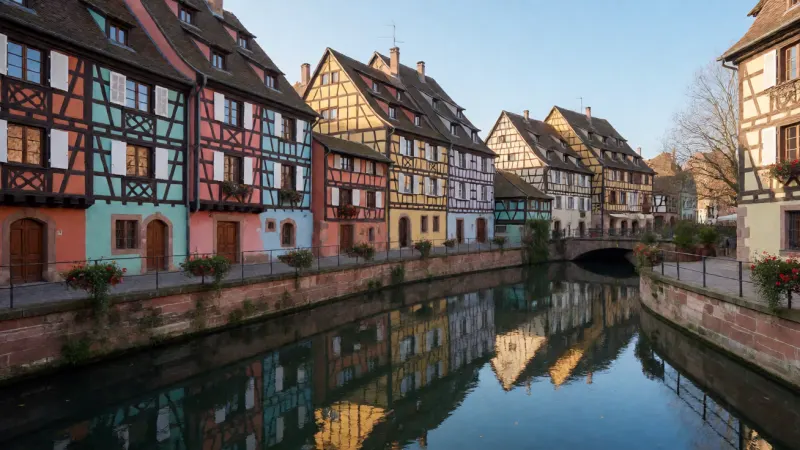
The number one reason Strasbourg captures hearts is the Petite France district. This area is a beautifully preserved slice of history where tanners, millers, and fishermen once lived and worked in the Middle Ages. It is, without exaggeration, like stepping into a storybook.
Winding cobblestone streets lead you past magnificent half-timbered houses from the 16th and 17th centuries, their colorful facades reflected in the peaceful canals of the River Ill. This entire district, part of the Grande-Île, was the first city center in France to be named a UNESCO World Heritage site, a testament to its exceptional architectural heritage. Wandering here, with no set destination, is one of the city’s greatest pleasures.
Beyond the Postcard: A City of Deep History and Culture
Strasbourg’s appeal runs much deeper than its surface beauty. The city is dominated by the Cathédrale Notre-Dame de Strasbourg, a masterpiece of Gothic architecture that was the world’s tallest building for over two centuries. Its intricate facade is breathtaking, and climbing the 330 steps to its viewing platform rewards you with panoramic views of the city and the Vosges mountains beyond.
The city boasts an impressive array of museums that cater to diverse interests. The Musée Alsacien offers a fascinating glimpse into the region’s rural life and traditions, housed within three historic timber-framed houses. The Palais Rohan, a former residence of prince-bishops, contains three major museums: the Museum of Fine Arts, the Museum of Decorative Arts, and the Archaeological Museum. This rich cultural offering ensures there is plenty to explore whatever the weather.
The Crossroads of Europe: A Unique Franco-Germanic Soul
Strasbourg’s identity is uniquely shaped by its location on the border of France and Germany. Over centuries, it has shifted between French and German rule, creating a fascinating cultural fusion that is truly its own. This dual heritage is evident everywhere: in the architecture, the language, and most deliciously, the food.
You’ll see street signs in both French and the Alsatian dialect, a Germanic language. The architecture in the Neustadt, or “German Quarter,” with its grand stone buildings, stands in stark contrast to the timber-framed houses of Petite France. This blend creates a dynamic and layered city that offers more than a typical French or German experience; it offers a distinctly Alsatian one.
A Culinary Paradise You Can Actually Afford
The Franco-Germanic culture shines brightest in Strasbourg’s cuisine. The city is a food lover’s dream, offering hearty, flavorful dishes that combine French finesse with German generosity. Forget the sometimes-intimidating nature of Parisian fine dining; Strasbourg’s culinary scene is accessible and welcoming. A visit to a traditional winstub (wine tavern) is a must for authentic Alsatian dishes.
Key dishes to try include choucroute garnie (sauerkraut garnished with various meats and sausages), tarte flambée (a thin, crispy flatbread topped with cream, onions, and bacon), and baeckeoffe (a slow-cooked stew of potatoes and meat). While dining can be expensive during peak seasons, Strasbourg is generally more budget-friendly than Paris, and the quality is exceptional.
More Than Just Christmas: A City for All Seasons
Strasbourg is famously known as the “Capital of Christmas” for its spectacular markets that date back to 1570. While a winter visit is magical, thinking of Strasbourg as only a Christmas destination is a mistake. The city is vibrant and beautiful year-round, with each season offering a unique experience.
Spring brings blossoms and fewer crowds, perfect for leisurely canal boat tours. Summer is alive with festivals and sunny days ideal for relaxing in the Parc de l’Orangerie. Autumn sees the Alsace Wine Route come alive with the grape harvest, offering fantastic opportunities for day trips. This year-round appeal makes it a versatile travel destination.
Strasbourg Throughout the Year
| Season | Highlights | Typical Weather |
|---|---|---|
| Spring (March-May) | Fewer crowds, blooming flowers, pleasant weather for walking tours, boat trips on the canals. | Mild, with average temperatures from 5°C to 19°C. |
| Summer (June-August) | Lively street life, outdoor dining, music festivals, long sunny days, perfect for visiting parks. | Warm and sunny, with average temperatures from 14°C to 25°C. |
| Autumn (September-November) | Alsace Wine Route harvest, beautiful fall colors, comfortable temperatures for exploring. | Cool and often crisp, with average temperatures from 6°C to 18°C. |
| Winter (December-February) | World-famous Christmas markets, festive decorations, cozy winstub atmosphere, potential for snow. | Cold, with average temperatures from -1°C to 5°C. |
The Heart of Modern Europe
Beyond its historical charm, Strasbourg is a modern, dynamic city with significant international importance. It is the official seat of the European Parliament, the Council of Europe, and the European Court of Human Rights. This status as a European capital gives the city a cosmopolitan energy.
The European Quarter, with its impressive contemporary architecture, offers a striking contrast to the medieval city center. Taking a tour of the Parliament building provides a fascinating insight into the workings of the European Union and highlights Strasbourg’s role on the world stage. This modern dimension adds an unexpected and enriching layer to any visit.
Practical Planning: Making Your Strasbourg Trip Perfect
How Many Days Are Enough?
To truly appreciate what Strasbourg has to offer, a minimum of two to three full days is recommended. This allows enough time to explore Petite France, visit the cathedral, take a boat tour, and enjoy a few museums without rushing. With four or five days, you can delve deeper and use Strasbourg as a base for day trips to the charming villages of the Alsace Wine Route, like Colmar or Riquewihr.
Getting Around: A Walker’s Dream
Strasbourg’s historic center is compact and wonderfully pedestrian-friendly. The best way to explore is on foot, allowing for spontaneous discoveries in its charming streets. For longer distances, the city has a highly efficient and modern tram system that connects all major points of interest. A car is not necessary and can be a hassle due to pedestrian-only zones and limited parking in the city center.
Hidden Gems and Unique Viewpoints
While the cathedral’s spire offers a famous view, the panoramic terrace atop the Barrage Vauban provides an equally stunning, and often less crowded, perspective of Petite France and the Ponts Couverts (Covered Bridges). For a different experience, explore the Neustadt (German Quarter) to appreciate its grand Wilhelminian architecture, a UNESCO-listed area that many tourists overlook. Also, consider a tranquil stroll or boat ride in the Parc de l’Orangerie, the city’s oldest park.
An Honest Look: The Potential Downsides
No destination is perfect, and it’s important to be aware of Strasbourg’s potential drawbacks. The city can get extremely crowded, especially during the Christmas market season (late November to late December) and the peak summer months of July and August. During these times, accommodation prices can be high, and it’s essential to book well in advance.
While Strasbourg is generally more affordable than Paris, it can still be pricey compared to other smaller European cities. To manage costs, consider visiting during the shoulder seasons of spring or autumn, which offer a wonderful balance of pleasant weather, fewer tourists, and better value. Planning your travel details, from flights to hotels, can feel overwhelming, but comparing options on different platforms can help. You can find helpful comparisons, for instance by checking out articles on Hopper vs Google Flights to ensure you get the best deal.
The Final Verdict
So, is Strasbourg worth visiting? Absolutely. It is a city that delivers on its fairytale promise while offering so much more beneath the surface. Its unique blend of history, culture, and cuisine, combined with its stunning beauty and modern European importance, makes it a truly captivating destination.
Whether you are a history buff, a foodie, an architecture enthusiast, or simply a traveler in search of beauty, Strasbourg offers an unforgettable experience. By planning thoughtfully and perhaps visiting outside the busiest peaks, you can discover the enduring magic of this Alsatian jewel for yourself.
The pre-travel excitement and planning are part of the adventure, but remember to relax; don’t let worries about the journey keep you up at night, an issue many travelers face. If you struggle with this, it might be helpful to read up on tips for how to handle sleeplessness before a flight to start your trip refreshed.