Are you searching for “Little Japan San Diego” and coming up empty? You’re not alone. Many travelers hope to find a centralized Japantown, a vibrant district brimming with authentic culture, food, and shops, only to discover one doesn’t officially exist in San Diego.
This frustrating search leaves many visitors feeling like they’re missing a key piece of the city’s cultural landscape. The truth is, San Diego’s rich Japanese heritage isn’t found in one single neighborhood but is woven into the fabric of the entire city across several key hubs.
This guide solves that problem by revealing the hidden locations and cultural treasures that together form San Diego’s unofficial Little Japan. From serene gardens to bustling markets and authentic eateries, you will discover the complete and authentic Japanese experience you’ve been looking for.
The Historical Heartbeat: Uncovering the Roots of Japanese Culture in San Diego
To truly appreciate San Diego’s Japanese culture, it is essential to understand its history. The story begins in the late 1880s when the first Japanese immigrants, known as the Issei, arrived. These pioneers were primarily young men seeking opportunities, many of whom found work on the railroads, in the salt fields of the South Bay, or in the region’s burgeoning agricultural industry.
By the early 1900s, a small but thriving Japanese business district began to form around Fifth Avenue and Market Street in what is now the Gaslamp Quarter. This area served as the community’s heart, with restaurants, boarding houses, and shops catering to the local Nikkei (people of Japanese ancestry) population. The community expanded into fishing, and by the 1920s, Japanese fishermen were instrumental in developing San Diego’s successful tuna fishing industry.
This vibrant community life was abruptly shattered on April 8, 1942, when World War II led to the forced removal and incarceration of all people of Japanese ancestry from the West Coast. After the war, many families returned to find their homes and businesses gone, and the once-concentrated community became more dispersed, laying the groundwork for the scattered cultural landscape seen today.
The Modern Epicenter: Your Guide to Convoy District’s Japanese Treasures
While historically centered downtown, the contemporary heart of Japanese—and broader Pan-Asian—culture in San Diego is undeniably the Convoy District in Kearny Mesa. This sprawling neighborhood is a paradise for anyone seeking authentic Japanese food, products, and experiences. It is the de facto “Little Japan” for modern San Diegans.
Authentic Japanese Cuisine in Convoy
Convoy is a culinary destination with an overwhelming variety of authentic Japanese restaurants. Whether you’re craving a steaming bowl of ramen, delicate sushi, or the lively atmosphere of an izakaya, you will find it here. The area is packed with eateries that specialize in specific aspects of Japanese cuisine, ensuring a genuine and high-quality experience.
From the rich, flavorful broths at ramen shops like Tajima Ramen and RakiRaki Ramen & Tsukemen to the expertly crafted sushi at places like Sushi Tadokoro, the options are endless. For a more casual, tapas-style experience, the numerous izakayas offer grilled skewers, small plates, and a wide selection of sake and beer.
To help navigate the choices, here is a breakdown of some top spots.
| Restaurant Name | Specialty | Pro-Tip |
|---|---|---|
| Tajima Ramen | Tonkotsu Ramen | Visit during weekday lunch for special combos and smaller crowds. |
| RakiRaki Ramen & Tsukemen | Tsukemen (Dipping Noodles) | Be prepared for a line during peak dinner hours; their reputation precedes them. |
| Wa Dining Okan | Izakaya (Japanese Pub Fare) | Go with a group to sample a wide variety of their small plates. |
| Sushi Ota | Traditional Sushi/Omakase | Reservations are essential and should be made weeks, if not months, in advance. |
| Izakaya Sakura | Classic Izakaya & Sushi | A local favorite known for its authentic, no-frills atmosphere. |
Japanese Markets and Shops
Beyond restaurants, Convoy is home to several essential Japanese supermarkets that are destinations in their own right. These markets are the best places to find imported Japanese groceries, unique snacks, high-quality sake, Japanese beauty products, and home goods. They are vital hubs for the local Japanese community and a fascinating stop for any visitor.
Key markets to visit include Nijiya Market, known for its focus on organic produce and pre-made bento boxes; Mitsuwa Marketplace, which features a food court with popular eateries like Santouka Ramen; and Marukai Market, offering a vast selection across three separate buildings for groceries, home goods, and specialty items. A trip to these stores is an immersive cultural experience.
A Sanctuary of Serenity: The Japanese Friendship Garden in Balboa Park
No exploration of San Diego’s Japanese culture is complete without a visit to the Japanese Friendship Garden and Museum (JFG). Located within the iconic Balboa Park, this beautiful garden, named “San-Kei-En” (three-scene garden), is a living symbol of the friendship between San Diego and its sister city, Yokohama. It is a tranquil oasis designed to evoke feelings of simplicity, serenity, and natural beauty.
The garden unfolds over 12 acres of canyons and winding paths. Visitors can explore its many features, including meticulously pruned pine trees, serene koi ponds, traditional stone lanterns, and sukiya-style buildings. The garden’s design is a masterful blend of traditional Japanese principles and the unique topography and flora of San Diego.
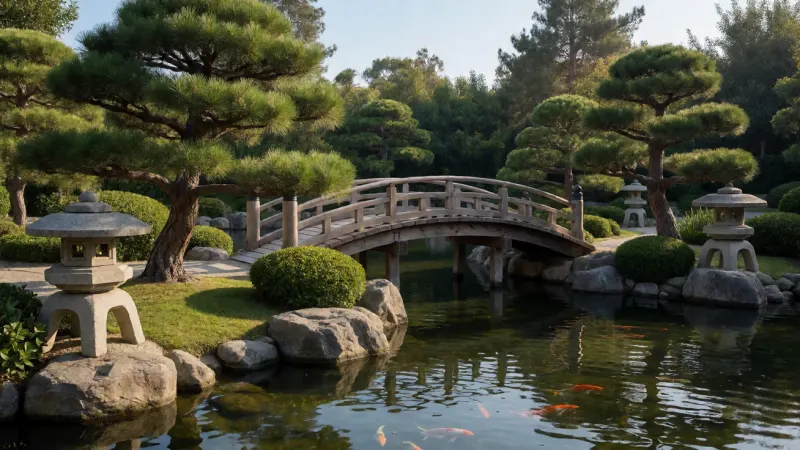
The JFG also serves as a vibrant cultural center, hosting numerous events and exhibits throughout the year. The most popular is the annual Cherry Blossom Festival each spring, where visitors can partake in hanami (flower viewing) under the blooming cherry trees. Other events include the Aki Matsuri (fall festival) and various workshops on cultural arts like ikebana (flower arranging) and kintsugi (the art of repairing broken pottery with gold).
Beyond the Main Hubs: Hidden Japanese Gems Across San Diego
While Convoy and Balboa Park are the primary centers, other important landmarks and organizations contribute to the rich tapestry of Japanese culture in San Diego. These lesser-known spots offer deeper insight into the community’s spirit and traditions.
Cultural and Community Centers
The Buddhist Temple of San Diego, founded in 1926, has been a cornerstone of the Japanese American community for nearly a century. Though the congregation was displaced during WWII, the temple was restored by its members and continues to serve as a spiritual and community hub. It hosts several public events, including the annual Bon Odori festival in the summer, a joyous celebration to honor ancestors with traditional folk dancing.
Another key organization is the Japan Society of San Diego and Tijuana (JSSDT), which works to foster cultural understanding and exchange between the U.S., Japan, and Mexico. They organize various programs, including the popular Beer & Sake Festival, which showcases Japanese brewing traditions.
Annual Festivals and Events
To fully immerse yourself in the local Japanese culture, timing your visit with one of San Diego’s annual festivals is highly recommended. These events are vibrant, welcoming, and offer a fantastic slice of Japanese tradition.
- Cherry Blossom Festival (March): Held at the Japanese Friendship Garden, this multi-day festival celebrates the arrival of spring with food, music, and cultural performances under the beautiful cherry blossoms.
- Bon Odori (August): Hosted by the Buddhist Temple of San Diego, this traditional summer festival invites everyone to participate in folk dances to honor the spirits of ancestors. It’s a lively evening of community, food, and culture.
- Aki Matsuri (Fall): Also at the Japanese Friendship Garden, this fall festival features Japanese street food, a beer and sake garden, and cultural performances.
Planning Your “Little Japan” Itinerary: A Sample Day Trip
To help you piece together your own “Little Japan” experience, here is a sample itinerary that combines the city’s best offerings. Proper planning is key, and ensuring you have reliable travel arrangements can make all the difference. For complex trips, understanding the details, such as whether getting off at a layover city is possible, can significantly impact your plans.
Morning (9:00 AM – 12:00 PM): Start your day with a peaceful stroll through the Japanese Friendship Garden in Balboa Park. Arrive early to enjoy the tranquility before the crowds. Take your time exploring both the upper and lower gardens, relaxing by the koi ponds, and visiting the Inamori Pavilion.
Afternoon (12:30 PM – 4:00 PM): Head to the Convoy District for lunch and shopping. Choose from one of the many acclaimed ramen shops for an authentic and satisfying meal. Afterward, explore the aisles of Nijiya Market, Marukai, and Mitsuwa Marketplace to stock up on unique Japanese snacks, drinks, and ingredients. When booking your travel and accommodations, it is wise to use a trustworthy service; asking questions like “is Trip.com legit?” ensures you are working with a reputable company.
Evening (5:00 PM onwards): As evening approaches, immerse yourself in the lively atmosphere of an Izakaya in Convoy. Order a variety of small plates and a carafe of sake to share. For those considering different booking platforms for their trip, researching options by asking “is Laytrip legit?” can help you find flexible payment plans that suit your budget.
The Future of Japanese Culture in San Diego
The appreciation for Japanese culture in San Diego continues to grow. The Convoy District is constantly evolving, with new restaurants and shops opening regularly, further cementing its role as the region’s Asian culinary hub. The Japanese Friendship Garden also continues its expansion and development, offering more programs and enhancing the visitor experience.
This enduring presence is a testament to the resilience and contributions of the Japanese American community. While a formal, named “Japantown” may never be established, the spirit of Little Japan is alive and thriving, waiting to be discovered by those willing to explore its many scattered, yet connected, parts.
Conclusion: Your San Diego Japanese Adventure Awaits
While San Diego may not have a “Little Japan” marked on a map, the city offers a deeply authentic and rich Japanese cultural experience for those who know where to look. From the historical echoes in the Gaslamp Quarter to the modern vibrancy of the Convoy District and the serene beauty of the Japanese Friendship Garden, the pieces of this cultural puzzle are all there.
By following this guide, you can move beyond the frustrating search for a single neighborhood and instead curate your own journey. You can now confidently explore the markets, savor the cuisine, and appreciate the tranquil gardens that collectively create San Diego’s unique and wonderful Little Japan.