You’ve just stepped off a high-speed train into the vibrant energy of Salerno. Your final destination? The breathtaking Amalfi Coast, the idyllic island of Capri, or perhaps the charming shores of Ischia. The only thing standing between you and paradise is the transfer from the Salerno train station to the ferry port. For many travelers, this short journey is fraught with anxiety—the fear of getting lost in an unfamiliar city, the stress of a tight connection, and the worry of missing the boat that launches your dream vacation.
This uncertainty is a common problem. Vague online directions, the hustle of a busy Italian station, and the pressure of a ticking clock can turn a simple transfer into a logistical nightmare. But it doesn’t have to be this way. With a clear plan, this transition can be a seamless, stress-free, and even enjoyable part of your Italian adventure.
This guide provides the definitive solution, transforming potential travel chaos into a smooth, easy-to-follow process. Consider this your expert companion, designed to navigate you from the train platform to the ferry dock with confidence and ease. Think of the transfer not as an obstacle, but as the first few steps of your incredible coastal journey.
Why Salerno is Your Secret Gateway to the Amalfi Coast
While many travelers default to Naples as their entry point to the Amalfi Coast, savvy visitors are discovering the strategic advantages of Salerno. Arriving here is more than just a convenience; it’s a travel hack that sets a more relaxed and scenic tone for your entire trip. Salerno is less chaotic and crowded than its larger neighbor, offering a calmer introduction to the wonders of Southern Italy.
The city is brilliantly connected by Italy’s high-speed rail network, meaning you can travel directly from major hubs like Rome, Florence, or Milan without the need for complicated changes. Stepping out of the Salerno train station, you are immediately greeted by the refreshing sea air and a sense of openness, a stark contrast to the dense urban environment of other major transit hubs. This makes the crucial next step of your journey—getting to the ferry—remarkably straightforward.
Furthermore, the walk from the station to the port itself is a pleasant experience. It takes you directly along the city’s beautiful promenade, the Lungomare Trieste, offering your first stunning views of the Tyrrhenian Sea. This short stroll allows you to decompress from your train journey and soak in the coastal atmosphere before you even board the ferry.
Step-by-Step Walking Guide: From Platform to Port
The journey from Salerno’s train station to the primary tourist ferry port is surprisingly simple and can be done on foot in under 10 minutes. This ridiculously short walk is one of Salerno’s greatest assets for Amalfi Coast-bound travelers. Follow these precise steps to ensure you arrive at your departure point without a single wrong turn.
Step 1: Exit the Station Correctly
Once you alight from your train, follow the signs for the main exit (“Uscita”). You will emerge into the main station concourse. Head straight out of the main glass doors into the large, open square directly in front of the station, known as Piazza Vittorio Veneto. You are now perfectly positioned to begin your walk.
Step 2: The Straight Shot to the Sea
From Piazza Vittorio Veneto, your path is incredibly direct. Position yourself facing away from the station and look straight ahead. You will see a wide street, Via a Mauro Clemente, leading directly towards the water. Walk straight down this street. You are essentially walking in a straight line from the front door of the train station to the sea.
Step 3: Arrive at Piazza della Concordia and Locate the Pier
In just a few minutes, Via a Mauro Clemente will open into a large, waterfront square called Piazza della Concordia. You have arrived at the location of the main tourist port, Molo Masuccio Salernitano. The ferry ticket offices (biglietteria) and the departure pier are located right here. The walk is so short and direct that it feels almost purpose-built for travelers making this exact connection.
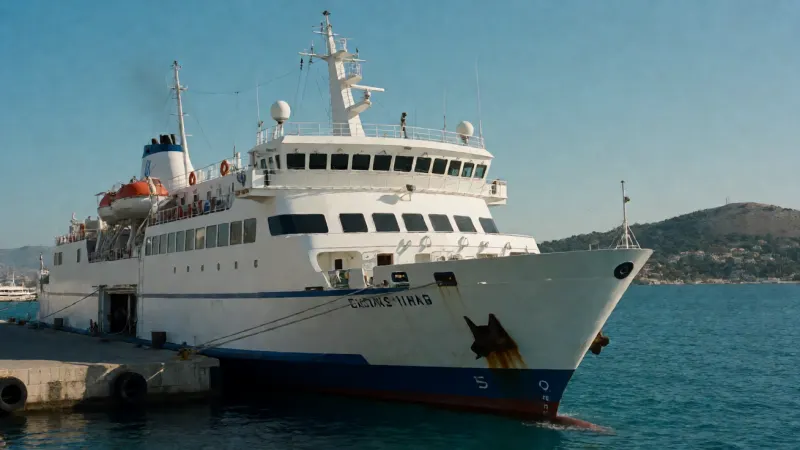
Navigating Salerno’s Ferry Terminals: A Stress-Free Breakdown
Salerno’s port area is divided into two primary departure points for tourists: Molo Masuccio Salernitano (at Piazza della Concordia) and the more distant Molo Manfredi. Understanding the difference is crucial for a smooth departure. Luckily, for most Amalfi Coast travelers, the process is incredibly simple.
Molo Masuccio Salernitano (Piazza della Concordia): This is the pier you will arrive at after your short walk from the train station. It is the main hub for the majority of ferries servicing the Amalfi Coast destinations like Amalfi and Positano, as well as the islands of Capri and Ischia during the high season. Companies like Travelmar, Positano Jet, and NLG primarily operate from here.
Molo Manfredi: Located further east along the coast, Molo Manfredi is the commercial port and also where you’ll find the stunning shell-shaped maritime terminal designed by architect Zaha Hadid. This pier is typically used for larger cruise ships and some longer-distance ferry routes, potentially including those to Sicily or Tunisia. Unless your ticket specifically states Molo Manfredi, you can confidently head to Piazza della Concordia.
Finding Your Ferry Operator
At Piazza della Concordia, you will find a series of small ticket kiosks and offices lined up near the waterfront. Each booth is clearly signed with the name of the ferry company. Simply locate the booth for the company you booked with (or wish to travel with), present your online booking, or purchase your ticket directly.
Buying Your Ferry Tickets: Insider Tips for the Best Fares
Securing your ferry ticket is a straightforward process, but a little insider knowledge can save you both time and money. You have two primary options: booking online in advance or purchasing tickets in person at the port. Each has its advantages depending on your travel style and the time of year.
Booking online is highly recommended during the peak season (June to August) and on weekends. Ferries to popular destinations like Positano and Amalfi can sell out, and having a pre-booked ticket provides peace of mind. Websites of the ferry operators or reputable third-party aggregators are the best places to book. In contrast, buying tickets at the port offers more flexibility, which is ideal if your train is delayed or if you prefer to travel spontaneously during the quieter shoulder seasons (April-May and September-October).
A crucial detail often overlooked by travelers is the policy on luggage. Most ferry companies charge a small extra fee, typically a few euros, for each large piece of luggage. When planning what to bring, consider how different suitcase sizes might impact your travel ease and budget; the nuances of choosing between various luggage options, as explored in articles like the comparison of the Rimowa Trunk and Trunk Plus, can be surprisingly relevant when navigating these baggage rules.
Alternative Transport: When Walking Isn’t an Option
While the walk from the Salerno train station to the ferry port is exceptionally short and easy, there are situations where an alternative is necessary. If you’re traveling with heavy luggage, have mobility challenges, or arrive during a downpour, knowing your other options is essential for a comfortable transfer.
Taxis: The Quickest Alternative
Taxis are readily available directly outside the main entrance of the Salerno train station. The ride to Piazza della Concordia is very short, typically taking less than five minutes depending on traffic. The fare should be minimal, but it’s always a good practice to confirm the approximate cost with the driver before you begin your journey. This is the most convenient option if you have multiple heavy bags.
Local Buses: The Budget-Friendly Choice
For the budget-conscious traveler, local buses also serve the area between the station and the port. Several bus lines stop at or near Piazza della Concordia. You can purchase bus tickets at a “tabaccheria” (tobacco shop) or newsstand inside the train station before boarding. This option takes slightly longer than a taxi but is very inexpensive.
| Ferry Company | Primary Destinations from Salerno | Typical Departure Pier |
|---|---|---|
| Travelmar | Amalfi, Positano, Maiori, Minori, Cetara, Vietri sul Mare | Molo Masuccio (Piazza della Concordia) |
| NLG (Navigazione Libera del Golfo) | Amalfi, Positano, Capri, Ischia (Seasonal) | Molo Masuccio (Piazza della Concordia) |
| Positano Jet | Amalfi, Positano (High-Speed) | Molo Masuccio (Piazza della Concordia) |
| Alicost | Amalfi, Positano, Capri, Ischia | Molo Masuccio (Piazza della Concordia) |
| Grimaldi Lines | Palermo (Sicily), Tunis (Tunisia) | Molo Manfredi |
| Caronte & Tourist | Messina (Sicily) | Molo Manfredi |
Beyond the Transfer: Making the Most of Your Time in Salerno
Salerno is more than just a transit point; it’s a charming city with its own unique character. If your travel schedule leaves you with an hour or two to spare before your ferry departs, you have the perfect opportunity to get a taste of what Salerno has to offer. The area around the train station and port is safe, walkable, and filled with pleasant diversions.
Take a leisurely stroll along the Lungomare Trieste, the city’s beautiful tree-lined seaside promenade. It’s a fantastic spot for people-watching and enjoying the view of the Gulf of Salerno. If traveling with family, finding a local cafe to relax in can be a great way to recharge. Grabbing some refreshing beverages, perhaps even some unique non-alcoholic drinks suitable for kids, offers a perfect break before the next leg of your journey.
For those interested in history, the compact historic center (Centro Storico) is a short walk from the promenade and is home to the impressive Salerno Cathedral (Duomo di Salerno). Keeping track of all these potential side-trips, along with your primary travel documents, can be challenging. This is where modern travel tools become invaluable; many travelers find that comparing digital itinerary managers like TripIt vs Wanderlog helps them stay perfectly organized and stress-free.
Frequently Asked Questions (FAQ)
How long does the walk from the train station to the ferry port take?
The walk from the main exit of Salerno’s train station to the Molo Masuccio (Piazza della Concordia) ferry pier is very short. It takes approximately 5 to 8 minutes at a normal walking pace. The route is flat and straightforward, making it easily manageable even with rolling luggage.
Is the walking path safe, especially with luggage?
Yes, the path is very safe. You will be walking along main streets with pedestrian sidewalks. The area is well-trafficked by both locals and tourists. As with any travel, it’s always wise to be aware of your surroundings, but this particular walk is considered very secure.
Can I store my luggage at the Salerno train station?
While the Salerno train station itself may not have traditional lockers, there are several luggage storage services located just outside the station. These services, often found in nearby cafes or travel agencies, offer a secure and convenient place to leave your bags if you want to explore the city for a few hours before your ferry.
How much time should I allow between my train’s arrival and my ferry’s departure?
Factoring in the walk and purchasing tickets, it is wise to allow at least 30 to 45 minutes between your scheduled train arrival and ferry departure. This buffer will comfortably account for any minor train delays, the time needed to orient yourself, walk to the pier, and get your tickets without rushing.
Do I need to buy ferry tickets in advance?
During the high season (summer months) and on weekends, it is highly advisable to book your ferry tickets online in advance. Ferries can sell out, and booking ahead guarantees your spot. In the off-season, you can typically buy tickets at the port without any issues.