For many travelers, the moments before takeoff are filled with anticipation. But for a significant number, a quiet anxiety overshadows the excitement: “Will the seat belt fit?” This concern is a stressful reality for passengers of size, families trying to safely install car seats, and individuals with specific medical needs. The fear of the buckle not clicking, the discomfort of a tight fit, and the potential embarrassment of needing to ask for help can cast a pall over the entire travel experience.
This guide demystifies the specifics of seat belt length on Air Canada, providing clear information and actionable steps. By understanding the policies and preparing in advance, you can eliminate this travel anxiety. The goal is to ensure every passenger can fly with confidence, comfort, and dignity.
Why Seat Belt Length Is a Major Travel Concern
The core of the issue lies in the lack of standardized seat and seat belt dimensions across the airline industry. Each airline, and often each aircraft type within an airline’s fleet, can have slightly different measurements. This variability creates uncertainty for any passenger who may be close to the limit of a standard seat belt.
This uncertainty affects a diverse group of travelers. Passengers of size are the most obvious group, often facing the stress of whether they will fit comfortably and safely. It also impacts parents who need to install FAA or Transport Canada-approved child restraint systems, as a short seat belt can make proper installation impossible. Furthermore, passengers with certain medical devices or disabilities may also require additional length for a secure and comfortable fit.
Decoding Air Canada’s Seat Belt Length: The Official Numbers
While Air Canada does not publish a single, universal seat belt length due to variations across its diverse fleet, traveler reports and industry data provide a reliable range. Understanding these numbers is the first step toward planning a comfortable flight. Being informed allows you to assess your needs proactively rather than facing uncertainty at 30,000 feet.
The length of a standard seat belt can differ between aircraft models, such as a Boeing 777 versus an Airbus A220. However, knowing the general range and the length provided by an extender is crucial for your pre-flight planning. These figures empower you to make informed decisions about your seating needs well before you board the plane.
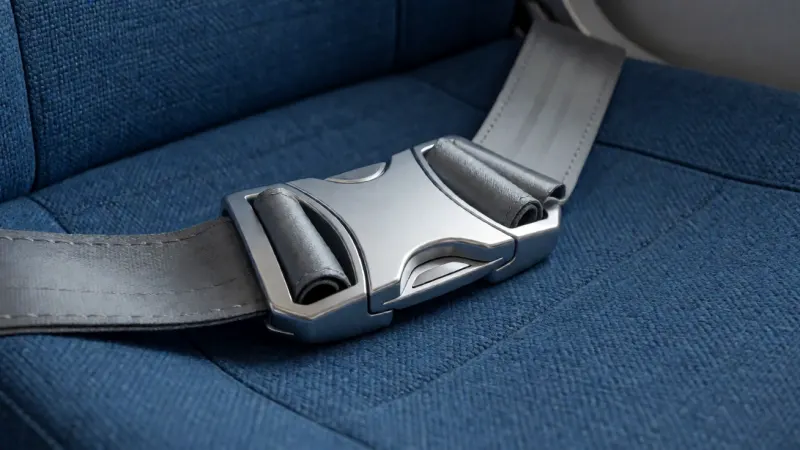
Standard and Extended Dimensions
To provide clarity, the table below outlines the typical seat belt lengths you can expect on Air Canada flights. It includes the average length of a standard belt, the additional length provided by an extender, and the total potential length available upon request. These numbers are essential for passengers planning their journey.
| Item | Average Length (Inches) | Average Length (Centimeters) |
|---|---|---|
| Standard Air Canada Seat Belt | 41 – 46 inches | 104 – 117 cm |
| Air Canada Seat Belt Extender | 24 – 25 inches | 61 – 64 cm |
| Total Length with Extender | 65 – 71 inches | 165 – 181 cm |
Who Needs to Be Aware of Seat Belt Length?
Several groups of passengers should pay close attention to airline seat belt policies. Proactive planning can make the difference between a stressful journey and a smooth, comfortable flight. Awareness and preparation are key for anyone who might require accommodation.
For Passengers of Size: Navigating Comfort and Policy
For plus-size travelers, the primary concern is fitting safely and comfortably within a single seat. Air Canada’s policy, in line with Canadian transportation regulations, is focused on ensuring both armrests can be lowered. If this is not possible, it indicates that a second seat may be required for safety and the comfort of all passengers.
In Canada, obesity can be considered a disability for travel purposes, which has led to traveler-friendly policies. Under the “One Person, One Fare” program, passengers traveling within Canada who are determined to be functionally disabled by obesity may be eligible for a second seat free of charge. This often requires medical documentation and must be arranged in advance. For international travel, a second seat typically needs to be purchased.
For Families: Securing Your Child’s Car Seat
Parents traveling with young children face a different challenge: ensuring their child restraint system (CRS) or car seat can be installed correctly. Transport Canada and the FAA have strict guidelines for approved devices. A seat belt that is too short can prevent a secure installation, compromising the child’s safety.
It is highly recommended that you check your car seat’s manual for installation instructions using an airplane seat belt. If you have concerns, contacting Air Canada’s accessibility services beforehand can provide peace of mind. They can offer information specific to the aircraft you’ll be flying on.
For Passengers with Medical Devices or Disabilities
Passengers traveling with certain medical devices or those with disabilities may also require a seat belt extender. Comfort and proper positioning are not just about convenience; they are about health and safety during the flight. Air Canada is committed to providing accessible travel for all passengers.
If you have specific needs, it is essential to contact the Air Canada Medical Assistance Desk at least 48 hours before your flight. This dedicated team can arrange for necessary accommodations, including seat belt extenders, ensuring your needs are met without issue on the day of travel.
Your Pre-Flight Action Plan for a Stress-Free Journey
Taking a few proactive steps before you even book your ticket can eliminate nearly all potential seating and seat belt issues. A little preparation goes a long way in ensuring a comfortable and worry-free travel day.
Step 1: Measure and Compare Before You Book
Before committing to a flight, take a simple measurement at home. Sit on a dining chair, and using a soft measuring tape, measure the widest part of your lap/hips while seated. Compare this measurement to the standard seat belt length of approximately 45 inches.
If your measurement is close to or exceeds this, you will likely need an extender. This simple check gives you the knowledge you need to proceed with confidence. It transforms an unknown variable into a manageable part of your travel planning.
Step 2: Understanding Air Canada’s Seat Belt Extender Policy
Air Canada provides seat belt extenders to any passenger who requests one, free of charge. Flight attendants are trained to handle these requests discreetly and professionally. The key is to communicate your need early.
You can make a request with the gate agent before you board or with a flight attendant as you are finding your seat. Asking early ensures that an extender is brought to you promptly, often before the majority of passengers have boarded, minimizing any potential for discomfort.
Step 3: The “Customer of Size” and Extra Seat Policy
In compliance with the Canadian Transportation Agency’s “One Person, One Fare” (1p1f) policy, Air Canada offers an extra seat free of charge for qualifying passengers on domestic flights. This policy applies to individuals who are considered disabled by obesity and require the extra space for themselves. To access this, you must contact Air Canada in advance and may need to provide a completed “Fitness-for-travel” form from your doctor.
For international flights, passengers who require an extra seat must purchase one. It is always more cost-effective and less stressful to arrange this at the time of booking rather than at the airport. You can explore your options further by looking into a detailed Floyd luggage review, which can help you manage your baggage needs efficiently when planning for extra space.
Step 4: Contacting Air Canada’s Accessibility Services
Air Canada has a dedicated accessibility services team to assist passengers with a wide range of needs. Whether you need a seat belt extender, wheelchair assistance, or information about seating arrangements, they are your best resource. It is recommended to contact them at least 48 hours before your flight.
You can reach Air Canada Accessibility Services via their toll-free number to discuss your specific requirements. This direct communication ensures that your needs are noted in your reservation and that the crew will be prepared to assist you.
The Debate: Should You Buy Your Own Seat Belt Extender?
The idea of carrying a personal seat belt extender is appealing to many travelers. It offers a sense of privacy and eliminates the need to ask a flight attendant. However, the use of personal extenders on commercial aircraft is a major safety issue.
The Allure of a Personal Extender
Online marketplaces are full of seat belt extenders marketed as “FAA-approved” and compatible with various airlines. The primary benefit cited by users is the ability to manage their seating needs discreetly and without relying on the airline’s supply. For many, this avoids a moment of potential embarrassment.
Air Canada’s Official Stance and Safety Regulations
Despite their availability, personal seat belt extenders are not permitted for use on Air Canada flights. This policy is in line with Transport Canada and FAA regulations. The reasoning is rooted in safety and accountability.
Airline-provided extenders are subject to the same rigorous inspection and maintenance schedules as the seat belts installed on the aircraft. The airline cannot verify the safety standards, material integrity, or maintenance history of a personally owned device. In an emergency, a faulty extender could fail, leading to serious injury. Therefore, for your own safety, you must use the extender provided by the flight crew.
Beyond the Belt: Other Air Canada Comfort and Accessibility Tips
Securing your seat belt is just one aspect of a comfortable flight. Air Canada offers several other services and options that can enhance your travel experience, particularly if you require additional space or assistance.
Choosing the Best Seat
When booking your flight, consider selecting a “Preferred Seat.” These seats, often located in exit rows or the front of the cabin, may offer more legroom. However, be aware that passengers requiring a seat belt extender are typically not permitted to sit in an exit row for safety reasons.
An aisle seat can also provide a greater sense of space, as you can lean into the aisle when the service carts are not in use. Reviewing the aircraft’s seat map on sites like SeatGuru can help you identify the most suitable seats for your needs.
Leveraging Air Canada’s Accessibility Services
Air Canada is committed to making travel accessible for everyone. Their services extend far beyond just seating. From airport assistance to pre-boarding, they aim to accommodate a wide range of passenger needs.
If you require any form of special assistance, it is always best to inform the airline at the time of booking or at least 48 hours before departure. This ensures a smoother journey from check-in to arrival. The airline’s comprehensive accessibility plan outlines their commitment to providing a barrier-free travel experience for all customers.
Fly with Confidence: Final Thoughts on Air Canada’s Seating
Navigating air travel as a passenger who needs a bit more room doesn’t have to be a source of stress. By understanding Air Canada’s policies, preparing in advance, and communicating your needs clearly, you can ensure a safe and comfortable journey. The key is to be proactive.
Measure at home, know your options regarding seat belt extenders and extra seats, and don’t hesitate to contact Air Canada’s dedicated accessibility services. Remember that flight crews are professionals there to ensure the safety and comfort of every passenger. A simple, discreet request is all it takes to get the accommodation you need, allowing you to relax and look forward to your destination.