You’re staring out the window as towns blur past, and a thought hits you: “Can I get off this Greyhound bus early?” Maybe your plans have suddenly changed, a friend has invited you to an unexpected event in an upcoming city, or you’ve simply realized your final destination wasn’t the best choice. This scenario is more common than you might think, and the answer isn’t a simple yes or no. The possibility of an early departure from your scheduled route involves a mix of official policy, practical realities, and a bit of savvy communication.
Navigating the rules of bus travel can be complex, and the fear of being stranded or losing your luggage is a valid concern. This guide is designed to provide a clear and comprehensive solution to this problem. We’ll explore Greyhound’s official stance, the unwritten rules of the road, and the critical steps you need to take to ensure a smooth, early exit without jeopardizing your belongings or your travel plans. By understanding the system, you can make informed decisions and handle unexpected changes with confidence.
Understanding Greyhound’s Official Policy on Early Disembarking
Greyhound’s primary concern is to transport passengers safely and efficiently to the destination printed on their ticket. Officially, the company does not permit passengers to disembark at locations that are not scheduled stops. This policy is rooted in safety, security, and logistical considerations. Unscheduled stops can disrupt the timetable, pose safety risks on busy highways, and create insurance liabilities. Therefore, you cannot simply ask the driver to pull over at any point along the route.
However, the situation becomes more flexible when your desired exit point is one of Greyhound’s scheduled stops or stations along the route, just not your final ticketed destination. While not explicitly encouraged, getting off at an official stop before your final one is often practically possible. The key is to understand that your ticket is a contract for a specific journey, and altering that journey mid-trip is an exception, not a right. No fare adjustments or refunds are typically offered for the unused portion of your trip if you decide to get off early.
The Crucial Difference: Scheduled Stops vs. Unscheduled Locations
It is essential to distinguish between a scheduled stop and a random point on the map. A scheduled stop is a designated location—often a Greyhound station, a partner station, or a designated curbside stop—where the bus is officially slated to pause for passengers to board or disembark. These are the only places where a driver is authorized to open the doors and luggage compartments for passenger access. Requesting to be let off at a gas station during a fuel break or on the shoulder of a highway is not feasible and will almost certainly be denied for safety and policy reasons.
Before your trip, thoroughly review your itinerary on the Greyhound website or app. This will show you all the official stops the bus will make. If the city you wish to exit in is on that list, your chances of success are significantly higher. This knowledge allows you to plan your early departure strategically, rather than making a spontaneous, and likely unsuccessful, request to the driver.
The Luggage Dilemma: How to Retrieve Your Bags Early
One of the biggest anxieties associated with getting off a Greyhound early is the fate of your checked luggage stored under the bus. This is a legitimate concern, as baggage handling is a streamlined process designed for efficiency based on the final destinations of passengers. If you don’t handle this correctly, you could end up in one city while your bags continue to another.
When you check your bags, they are often tagged with your final destination. At major hubs and transfer points, baggage handlers might move luggage between buses based on these tags. Furthermore, drivers sometimes load luggage in a specific order based on destination to make unloading quicker at each stop. This system can work against you if you’re planning an early exit.
A Proactive Strategy for Your Luggage
The most effective way to manage your luggage for an early departure is to be proactive from the very beginning. When you hand your suitcase to the baggage handler or driver before boarding, politely and clearly state the name of the city where you intend to get off. Do not rely on them reading the tag alone. For instance, even if your ticket says “Chicago,” if you plan to get off in “Cleveland,” say, “This bag is for Cleveland, please.”
This simple act of communication can make all the difference. The handler will likely place your bag in a more accessible location for the earlier stop. It also alerts them to your intention, making them more likely to remember and assist you when you arrive. When you reach your desired stop, disembark promptly and head to the side of the bus to claim your bag as it’s being unloaded. Being present and visible reminds the driver and staff of your request.
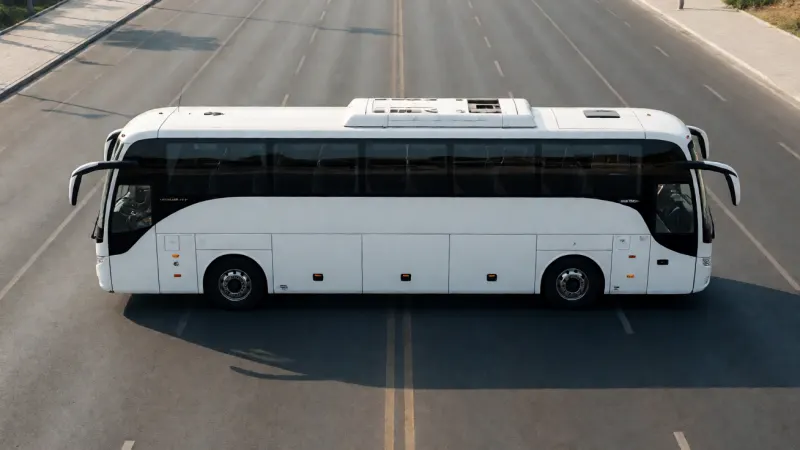
Step-by-Step Guide to Getting Off the Bus Early
Successfully navigating an early exit from a Greyhound bus requires clear communication and a bit of preparation. Simply getting off the bus is easy, but ensuring you do so with your luggage and without any issues requires a few deliberate steps. Follow this process to maximize your chances of a hassle-free early departure.
Remember, the driver is in charge and their primary responsibility is the safety and schedule of the entire bus. A polite and respectful approach is always more effective than a demanding one. Be prepared for the possibility of refusal, although if you follow these steps at a scheduled stop, you will likely be successful.
1. Communicate Your Intentions Early and Clearly
Your first point of contact should be the Greyhound staff when you are checking in your luggage. As mentioned previously, inform the baggage handler of your intended stop. The next, and equally important, step is to speak directly with the bus driver before the journey begins. When you are boarding, find a moment to politely tell the driver your name and the stop where you plan to disembark.
A simple, courteous statement like, “Hello, my name is Jane Doe, and just to let you know, I will be getting off at the stop in Pittsburgh, even though my ticket goes to Philadelphia,” is perfect. This forewarning allows the driver to make a mental note and can prevent confusion later. It shows respect for their role and the logistical complexities of their job. For more insights on passenger responsibilities and safety, consider reviewing guides on whether Greyhound is safe, which often touch upon the importance of clear communication.
2. Choose Your Seat Strategically
Where you sit can have a surprising impact on your travel experience, especially if you plan to get off early. Try to secure a seat near the front of the bus. This positioning serves two purposes. First, it keeps you visible to the driver, making it easier to remind them as you approach your stop. Second, it allows you to exit the bus more quickly when you arrive, ensuring you are at the luggage compartment promptly to retrieve your bags.
Aisle seats generally offer more mobility than window seats. While the comfort of a window seat is appealing, an aisle seat will allow you to get up without disturbing another passenger. For a long journey, maximizing your comfort is also key, and understanding the seating can help. If you’re curious about making your ride more comfortable, you might find tips on how to recline Greyhound seats useful for any trip, long or short.
3. Be Prepared and Alert as You Approach Your Stop
Do not rely solely on the driver to remember your request. Pay attention to the journey’s progress. Use a GPS app on your phone to track the bus’s location so you know when you are getting close to your desired stop. As the bus begins to approach the city or town, you can give the driver a gentle, verbal reminder if it feels appropriate and safe to do so.
Have all your personal belongings gathered and ready to go before the bus comes to a complete stop. This includes any items from the overhead bin. Being prepared demonstrates that you are considerate of other passengers’ time and helps keep the stop efficient. It’s also wise to be aware of baggage policies in general, such as whether a purse counts as a carry-on for Greyhound, to ensure all your belongings are managed correctly.
Potential Risks and How to Mitigate Them
While getting off a Greyhound bus early is often possible at a scheduled stop, it is not without potential pitfalls. Being aware of these risks allows you to plan effectively and avoid common travel headaches. The primary concerns revolve around your ticket’s validity, your luggage, and your onward journey.
By thinking through these potential issues ahead of time, you can create a contingency plan. This proactive approach turns a potentially stressful situation into a manageable change of plans. Remember, once you leave the bus, your journey with Greyhound is officially over, and you are responsible for what comes next.
| Potential Risk | Description | Mitigation Strategy |
|---|---|---|
| Forfeiture of Ticket | Your ticket is for a complete journey. Once you disembark early, the remaining portion of your ticket is void. You cannot re-board a later bus to continue your trip. | Be 100% certain about your decision to get off early. Understand that you will not receive a refund or credit for the unused part of the fare. |
| Misplaced Luggage | Despite your best efforts, your checked bag could be overlooked and continue to the original destination. | Communicate clearly with both baggage handlers and the driver. Affix a highly visible, temporary tag to your bag with the name of your early stop written in large letters. Be one of the first people at the luggage bay when the bus stops. |
| Onward Transportation | Greyhound stations are not always located in central or convenient parts of a city. You may arrive at a time when public transit is limited or ride-sharing services are scarce. | Research your arrival station ahead of time. Check public transportation schedules, taxi availability, and ride-sharing service coverage for that specific location and time of day. |
| Safety Concerns | Arriving in an unfamiliar city, potentially late at night, can pose safety risks, especially if you are traveling alone. | Inform a friend or family member of your new travel plans and expected arrival time. Have a plan for getting from the station to your final location, and try to arrange for someone to pick you up if possible. |
Financial Implications: Refunds and Ticket Changes
A common question that arises is whether a passenger can get a partial refund for the unused portion of their journey. The answer, in almost all cases, is no. Greyhound’s fare structure is based on the origin and destination selected at the time of purchase, and tickets are generally non-refundable once the journey has commenced. When you choose to get off early, you are voluntarily ending your contract of carriage with the company.
If your plans change before your trip has started, you may have more options. Depending on the type of ticket you purchased, you might be able to change your destination for a fee. However, once you have boarded the bus and are on your way, these options are no longer available. It is crucial to consider this financial aspect before making the final decision to alter your trip. The convenience of an early stop comes at the cost of the fare for the remainder of the planned route.
Final Thoughts: A Traveler’s Guide to Flexibility
The ability to get off a Greyhound bus before your final destination is a perfect example of where official rules meet practical reality. While the company’s policy is to transport you to your ticketed endpoint, the system has enough flexibility to accommodate passengers who need to alter their plans, provided they are disembarking at a scheduled stop. The key to success lies in proactive and polite communication, careful planning, and a clear understanding of the process.
By informing the driver and baggage handlers of your intentions, positioning yourself for a quick exit, and being prepared for your arrival, you can turn a potential travel complication into a seamless transition. Always remember that you are responsible for your luggage and your onward journey once you step off the bus. With the right strategy, you can confidently navigate unexpected changes and embrace the spontaneity that makes travel an adventure.