You arrive in Budapest, enchanted by the architecture and the aroma of goulash drifting from street-side kitchens. The city hums with history, its grand boulevards and thermal baths whispering stories of empires past. You want to connect with the locals, perhaps buy produce from an elderly woman at the Great Market Hall, or thank the host family at your guesthouse for their warm hospitality.
But a simple interaction creates a moment of hesitation. How do you politely address an older woman? Using a direct, formal translation feels cold, but a casual term might be disrespectful. This communication gap is a common hurdle for travelers wanting a genuine Hungarian experience. The words themselves matter, but equally important is understanding when and how to use them.
Understanding the nuances of what to call a grandmother—and by extension, how to respectfully address elders—is more than a language lesson. It is a key that unlocks a deeper, more authentic connection with Hungarian culture and its people. This guide will walk you through the formal terms, the affectionate nicknames, the cultural significance behind each word, and practical etiquette tips that will transform your interactions from transactional to meaningful.
The Heart of the Hungarian Family: Why “Grandma” Matters
In Hungary, the family unit is the cornerstone of society, with grandparents playing a pivotal and cherished role. They are not just relatives; they are the keepers of tradition, the providers of unconditional love, and often, active participants in raising grandchildren. This isn’t merely a cultural observation—it’s a statistical reality. Research shows that grandparents are actively involved in raising children in a remarkable 78% of Hungarian families, a figure that speaks volumes about the interconnected nature of Hungarian family life.
This deep involvement means the title for “grandma” carries significant emotional weight. Choosing the right word is an act of acknowledging her importance. For a traveler, using a term of respect and affection can transform a transactional encounter into a moment of warm human connection. It signals that you see beyond the tourist facade and recognize the humanity and dignity of the person before you.
The Hungarian grandmother is often the matriarch who binds the family together through food and tradition. Her kitchen is the heart of the home, where recipes for dishes like Dobos torta (drummer cake) and pörkölt (stew) are passed down through generations. Holidays are often centered around her cooking—the scent of freshly baked beigli (a traditional rolled pastry) at Christmas or the elaborate preparations for Easter celebrations. These culinary traditions are more than just food; they are edible memories, connecting generations through taste and smell.
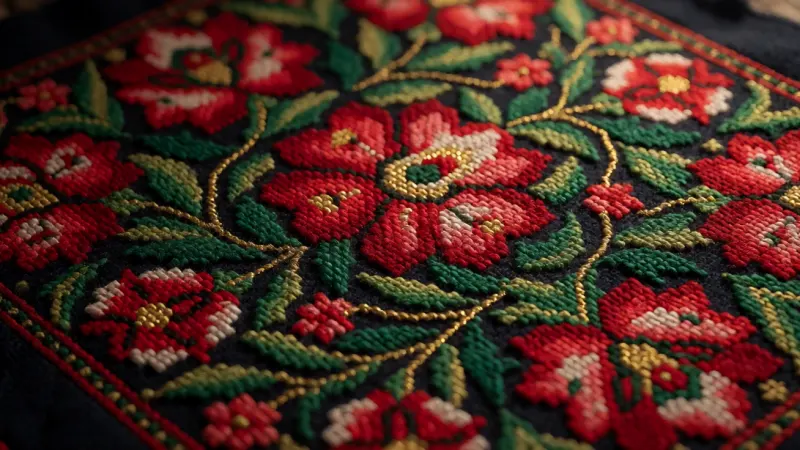
She is also the keeper of cultural heritage. Through intricate embroidery, folk songs, and stories, the Nagymama ensures that Hungarian traditions are not forgotten. For many Hungarians, the scent of their grandmother’s cooking or the sight of her handicrafts evokes a powerful sense of home and identity. The famous Matyó embroidery, with its colorful floral patterns, is often passed down from grandmother to granddaughter, each stitch carrying the weight of generations.
The Formal Foundation: Nagymama and Nagyanya
The most widely recognized and formal term for grandmother is Nagymama (pronounced roughly as ‘nawj-mama’). This word literally translates to “big mother,” a construction that emphasizes the grandmother’s role as a maternal figure of significant stature within the family hierarchy. It is the standard, respectful term you can use in almost any situation without fear of offense. It’s the equivalent of “grandmother” in English—proper, dignified, and universally understood.
A slightly more archaic, but equally formal, term is Nagyanya, which means “big mother” as well. While grammatically correct and still used in some contexts, it is less common in everyday conversation. You might encounter it in literature, formal writing, or among older generations in rural areas. For travelers, sticking with Nagymama is the safest and most common choice for formal situations.
The distinction between these two terms offers a window into how language evolves. Nagyanya carries a slightly more traditional, almost poetic quality, while Nagymama has become the standard in modern Hungarian. Both are respectful, but Nagymama is the word you’ll hear most often and the one that will serve you best in daily interactions.
From Formal to Familiar: Affectionate Nicknames
While Nagymama is correct, it is often shortened to more affectionate nicknames within the family, much like “grandmother” becomes “grandma” or “granny” in English, or “nan” in British English. The most common and beloved of these is Nagyi (pronounced ‘naw-jee’).
Nagyi is the go-to term of endearment used by children and adults alike when speaking to their own grandmother. It carries a warmth and familiarity that Nagymama lacks—the linguistic equivalent of a warm hug. You’ll hear it called across playgrounds, in family kitchens, and on holiday visits throughout Hungary. As a traveler, you would not typically address a stranger as Nagyi, but knowing the word helps you understand the culture’s intimate side. If you’re staying with a host family and they introduce you to their grandmother as “Nagyi,” you’ll understand the closeness of their relationship.
The Sweetest Variations: Mami and Mamika
Even more affectionate are the terms Mami or Mama. While “mama” means mother in many languages, in Hungarian, it can also be a loving term for a grandmother, depending on family tradition. This can sometimes be confusing for visitors, as some families use “Mama” for mother and “Nagyi” for grandmother, while others might use “Mama” exclusively for grandmother.
Adding the diminutive suffix “-ka” makes a name even sweeter, creating Mamika (“little Mami”). This suffix is a common feature of Hungarian, used to express affection and smallness—you’ll hear it in words like kicsike (tiny) or in names like Marika (little Mary). These terms are deeply personal and reserved for close family. Hearing a grandchild call their grandmother “Mamika” is a glimpse into the tender heart of the Hungarian family, a moment of pure affection that transcends language barriers.
Regional and Family Variations
It’s worth noting that family traditions vary widely across Hungary. Some families might use Ömama (an older, almost archaic term with Germanic influences), while others might have unique nicknames passed down through generations. There’s no single “correct” term for every family—the beauty lies in the personal choice and the love embedded in each variation.
A Traveler’s Cheat Sheet: Hungarian Names for Grandma
Navigating these terms can be tricky. This table breaks down the most common words, their meanings, and the appropriate context for their use during your travels.
| Hungarian Term | Pronunciation Guide | Literal Meaning | When to Use It |
|---|---|---|---|
| Nagyanya | nawj-on-ya | Big Mother | Very formal, literary, or official contexts. Not common in speech. |
| Nagymama | nawj-ma-ma | Big Mother (Grandmother) | The most reliable term for travelers. Use it when addressing an older woman respectfully or referring to a grandmother in a formal sense. |
| Nagyi | naw-jee | Granny | The most common, loving nickname. Used by family members. You’ll hear this everywhere. |
| Mama / Mami | ma-ma / ma-mee | Mommy | An affectionate term used within some families for grandma. Can also mean mother, so context is key. |
| Mamika | ma-mee-ka | Little Mommy | A very affectionate, diminutive form. Reserved for close family bonds. |
Beyond Grandma: What About Great-Grandma?
The respect for lineage extends further back. The formal term for a great-grandmother is Dédnagymama. This is a compound word: “déd” is the prefix for “great” and “nagymama” is grandmother. Just as Nagymama is the formal term, Dédnagymama carries the same weight of respect but for an even older generation.
Just as with Nagymama, this formal term has a common, affectionate nickname: Dédi (pronounced ‘day-dee’). It’s a sweet and simple term that carries generations of family history within it. When a child calls out for their Dédi, they’re invoking a line of ancestors stretching back through time.
For great-great-grandmothers—a rarity in modern families but still possible—the term becomes Üknagymama, with the prefix “ük” denoting the additional “great” generation. These terms illustrate how Hungarian language meticulously honors the lineage and the wisdom that comes with age.
The Cultural Fabric: The Role of the Nagymama
To truly understand the weight of these words, you must understand the cultural role of the Nagymama herself. In Hungarian society, she occupies a unique position—not merely a family member, but a cultural institution.
The Kitchen as the Heart of Tradition
The Hungarian grandmother is often the matriarch who binds the family together through food and tradition. Her kitchen is the heart of the home, where recipes are passed down through generations. Dishes like Dobos torta (drummer cake, with its layers of sponge and chocolate buttercream), pörkölt (a rich meat stew), and töltött káposzta (stuffed cabbage) are more than just meals—they are edible history.
Holidays are often centered around her cooking. The preparation of beigli (a rolled pastry filled with poppy seed or walnut) at Christmas, the elaborate Easter feast with smoked ham and kalács (a sweet braided bread), and the summer gatherings where langos (fried dough topped with sour cream and cheese) is made fresh—these moments are anchored by the grandmother’s presence and expertise.
For many Hungarians living abroad, the memory of their grandmother’s cooking evokes a powerful sense of home and identity. The taste of pörkölt or the smell of freshly baked kifli (crescent rolls) can transport them back to childhood, sitting at their grandmother’s table.
The Keeper of Cultural Heritage
She is also the keeper of cultural heritage. Through intricate embroidery, folk songs, and stories, the Nagymama ensures that Hungarian traditions are not forgotten. The famous Matyó embroidery of northeastern Hungary, with its distinctive colorful floral patterns and bold use of red, blue, and yellow, is often passed down from grandmother to granddaughter. Each stitch carries the weight of generations—techniques perfected over decades, patterns known by heart.
Folk songs are another domain of the grandmother. Népdalok—Hungarian folk songs—are often learned at a grandmother’s knee, sung while cooking, cleaning, or simply passing the time. These songs tell stories of love, loss, the harvest, and the beauty of the Hungarian countryside. They are oral history set to music.
The stories grandmothers tell—of the old days, of wartime hardship, of village life before modernization—are equally important. They provide context, wisdom, and a sense of continuity. For many Hungarians, the voice of their grandmother recounting a folk tale or a family legend is the first encounter with the nation’s oral tradition.
Practical Tips for Travelers: Addressing Elders in Hungary
Knowing the words is only half the battle; using them correctly is crucial. Hungarians value politeness and respect, especially towards elders. Proper etiquette can make your interactions much smoother and open doors to genuine connection.
When planning your trip, you focus on the big picture—where to stay, what to see—but small details of etiquette are just as important. Just as you might meticulously research transport options, thinking through questions like “do I need to rent a car in Nassau Bahamas” for a beach vacation, applying the same diligence to cultural norms in Hungary will greatly enhance your experience.
Greetings and General Politeness
A polite greeting when addressing an older woman you don’t know is “Jó napot kívánok” (“I wish you a good day”). This is the safe, respectful standard—suitable for shopkeepers, waiters, and any older person you meet in a formal context. It’s the phrase you can use without fear of giving offense.
A very respectful, slightly old-fashioned greeting specifically for elderly women is “Kezét csókolom” (“I kiss your hand”). While you don’t actually kiss her hand, the phrase itself is a sign of deep respect. Younger people often shorten this to simply “Csókolom.” This greeting is a beautiful remnant of older Hungarian etiquette, and using it with an elderly woman will almost certainly be met with a warm smile. It’s the verbal equivalent of tipping your hat.
In shops and cafes, it is customary to greet the staff upon entering and leaving. A simple “Jó napot” (Good day) when you walk in and “Viszontlátásra” (Goodbye) when you leave is considered good manners. If you are unsure, it is always best to err on the side of formality. Hungarians appreciate the effort, and a polite greeting can transform a quick transaction into a pleasant exchange.
The Formal vs. Informal “You”
One crucial aspect of Hungarian grammar that every traveler should know is the distinction between formal and informal address. Hungarian has a distinct formal “you” (Ön) and informal “you” (te). When speaking to strangers, elders, or anyone in a position of authority, always use the formal address until invited to do otherwise.
This isn’t just a linguistic nicety—it’s a fundamental part of Hungarian social interaction. Using the informal “te” with someone who expects the formal “Ön” is a significant faux pas, akin to calling your boss by their first name without invitation in a formal setting. Pay attention to how people address you: if they use “Ön,” respond in kind; if they use “te,” you may follow their lead.
For travelers, the safest approach is to default to formal address with all older adults and strangers. You can never go wrong with “Ön”—it shows respect and cultural awareness.
Gift-Giving and Visiting Homes
If you are invited into a Hungarian home, a small gift is customary. Flowers (odd numbers only—even numbers are considered unlucky for funerals), a bottle of wine, or chocolates are appropriate. If you’re staying with a host family, a small gift from your home country—something local and thoughtful—is a beautiful gesture. And don’t forget: removing your shoes when entering a Hungarian home is standard practice, a simple sign of respect that speaks volumes.
Making a Real Connection
Learning a few key phrases before you travel can transform your entire trip. It shows respect for the local culture and opens doors to more meaningful interactions. Before you finalize your plans and book your travel based on getaway reviews, take a few moments to practice these essential terms.
Imagine the smile you’ll receive from a vendor at a market when you use a respectful Hungarian greeting. Picture the warm handshake from a host who appreciates your effort to honor their customs. These small efforts to bridge the language gap demonstrate that you see Hungary not just as a destination, but as a living, breathing culture you wish to understand and respect.
Travel is at its best when it creates genuine human connection. The words you use—and the respect they convey—are the bridge between cultures. By learning a few phrases, you’re not just navigating a foreign country; you’re showing that you care.
Frequently Asked Questions
Is it okay for a tourist to call an elderly shopkeeper “Nagymama”?
While well-intentioned, it would be unusual and perhaps overly familiar. Think of it this way: you wouldn’t call a stranger “Grandma” in English. It’s better to use a polite, formal greeting like “Jó napot kívánok.” Reserve “Nagymama” for when you are speaking about a grandmother, not directly addressing a stranger. If you want to compliment an older woman, a simple “Jó napot” with a warm smile is universally appreciated.
What is the word for grandfather?
The parallel terms for grandfather are Nagyapa or Nagypapa for the formal version, and the affectionate nickname is Papa. Just as with grandmothers, there are variations—some families might use Tata or Öpapa depending on regional and family traditions. The same rules apply: formal terms with strangers, affectionate terms within families.
How important is using formal vs. informal language in Hungary?
Very important. Hungarian has a distinct formal “you” (Ön) and informal “you” (te). When speaking to strangers, elders, or anyone in a position of authority, always use the formal address until invited to do otherwise. This linguistic distinction is a core part of showing respect in the culture. It’s not just a matter of politeness—it’s a fundamental aspect of Hungarian social interaction that shapes how people relate to one another.
What other respectful gestures or phrases should travelers know?
Beyond greetings, a few phrases go a long way. “Köszönöm” (thank you) is essential; “Kérem” (please) is equally useful. When entering someone’s home, it’s customary to bring a small gift—flowers, a bottle of wine, or chocolates are appreciated. If you’re staying with a host family, a small gift from your home country (something local and thoughtful) is a beautiful gesture. And don’t forget: removing your shoes when entering a Hungarian home is standard practice, a simple sign of respect that speaks volumes.
Why do some terms sound so similar to English words for mother?
As mentioned, “Mama” can mean both mother and grandmother in Hungarian, depending on family tradition. This can confuse travelers, but context is everything. If a child calls out “Mama” in a crowded room, pay attention to who responds. In many families, “Mama” is reserved for grandmother, while mother is “Anya” or “Mutti” (informal). This subtlety is just one example of how Hungarian family vocabulary evolves within each household.
Final Thoughts: The Power of a Single Word
The words we use matter. In Hungary, the difference between “Nagymama” and “Nagyi” isn’t just a change in pronunciation—it’s a shift from formal respect to intimate warmth. Understanding these nuances is a window into Hungarian culture, a culture that values family, tradition, and the deep bonds between generations.
For travelers, this knowledge isn’t just academic. It’s practical. A respectful greeting, the right term, a warm smile—these are the tools that transform a tourist experience into a genuine human connection. So before you board that plane, take a moment to learn a word or two. It’s a small effort with an enormous return.