You face a delicious but daunting choice in the heart of Italy’s celebrated Emilia-Romagna region. Parma and Modena, two titans of gastronomy and culture, sit just a short train ride apart, each vying for your attention. Picking one can feel like an impossible task for any traveler planning a trip to Italy’s “Food Valley.”
Many travelers find themselves caught in this dilemma. Both cities boast world-renowned culinary traditions, stunning architecture, and a rich history. This often leads to travel paralysis, wasting precious planning time trying to decipher the subtle but crucial differences between them.
The Delicious Dilemma: Choosing Your Emilia-Romagna Base
The core of the problem lies in their similarities. Both Parma and Modena are compact, walkable cities celebrated for their food. This surface-level resemblance makes it difficult to determine which city will offer the best experience for your specific travel style.
Is your trip centered entirely around culinary discovery, or do you also crave art and music? Are you seeking a quiet, elegant atmosphere, or a more vibrant, bustling city life? Answering these questions is the key to making the right choice.
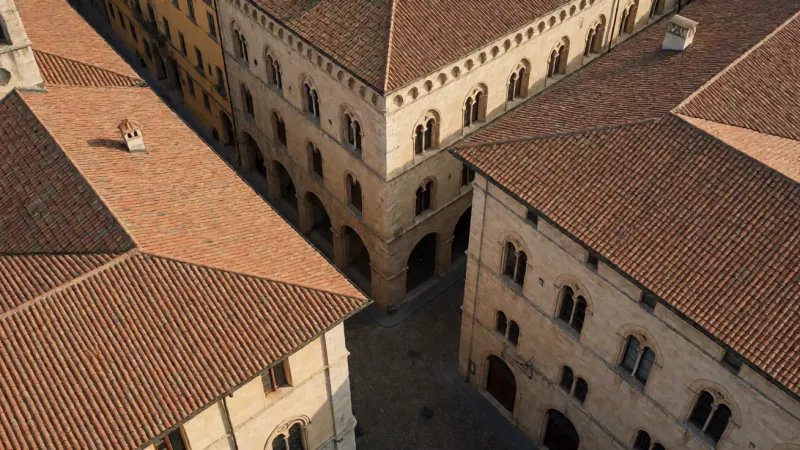
First Impressions: The Vibe of Parma vs Modena
While geographically close, the two cities offer distinct atmospheres. Your first few hours in each will reveal a different personality, setting the tone for your visit.
Parma: Refined Elegance and Grandeur
Parma exudes an air of quiet sophistication and refined elegance. The city feels spacious, with grand piazzas and pastel-colored buildings that reflect its history as a ducal capital. It has a slightly more formal, almost Parisian feel to its streets.
The pace in Parma is unhurried. It’s a city for strolling, leisurely enjoying an aperitivo in a historic square, and soaking in a deep-rooted cultural heritage that includes classical music, particularly the works of Verdi. This makes it a fantastic choice for those who appreciate a relaxed and culturally rich environment.
Modena: A Vibrant City with a Modern Pulse
Modena, in contrast, feels more energetic and compact. Its historic center is a charming labyrinth of terracotta-hued buildings and narrow cobblestone streets that open into lively squares. There’s a palpable buzz here, fueled by a dynamic local life and a prestigious university.
The city seamlessly blends its rich history with a modern, innovative spirit, most famously embodied by its association with luxury sports cars like Ferrari and Maserati. If you’re looking for a vibrant atmosphere with a strong connection to both ancient traditions and modern industry, Modena is an excellent fit.
A Culinary Showdown: The Heart of Italian Gastronomy
This is where the decision gets truly tough. Both cities are undisputed heavyweights in the culinary world, but their star products differ.
Parma’s Culinary Cornerstones: Prosciutto and Parmigiano
Parma is the undisputed home of two of Italy’s most famous exports: Prosciutto di Parma and Parmigiano Reggiano. A visit here is incomplete without a tour of a caseificio (cheese factory) or a prosciuttificio (ham producer) to witness the artisanal production process. These experiences offer a deep dive into centuries of tradition.
The city’s restaurants and delis are filled with these local treasures, often served simply to let their quality shine. For food lovers who want to connect with the origins of these iconic ingredients, Parma is a pilgrimage site.
Modena’s Epicurean Icons: Balsamic Vinegar and Fast Cars
Modena’s claim to fame is the exquisite Aceto Balsamico Tradizionale (traditional balsamic vinegar). Visiting a local acetaia to learn about the painstaking aging process and taste the complex, syrupy final product is a unique and unforgettable experience.
Modena is also home to Osteria Francescana, a three-Michelin-star restaurant often ranked among the world’s best. Beyond fine dining, the city is famous for Lambrusco wine and delectable cured meats. The blend of high-end gastronomy and deep-rooted tradition makes Modena a powerhouse.
The Market Scene: A Taste of Local Life
In Modena, the Mercato Albinelli is a must-visit. This historic covered market is the beating heart of the city’s culinary life, buzzing with locals and filled with stalls selling fresh produce, cheeses, meats, and pastas. It’s a vibrant, authentic experience.
Parma’s market scene is more spread out and less centralized, but the city is dotted with exceptional delis and specialty food shops that are a joy to explore. Finding the best places can be a matter of research, perhaps checking sources like TripAdvisor or Yelp for local favorites.
Beyond the Plate: Cultural Attractions and Sights
While food is a major draw, both cities offer a wealth of art, history, and culture.
Art and History in Parma
Parma’s Piazza del Duomo is a spectacular ensemble of medieval architecture. The Parma Cathedral is a masterpiece of Romanesque design, with a breathtaking dome fresco by Correggio. The adjacent pink-and-white marble Baptistery is one of the most significant medieval monuments in Italy.
The vast Palazzo della Pilotta complex houses the National Gallery, the stunning Farnese Theatre—a magnificent wooden theatre from the 17th century—and the Archaeological Museum. Music lovers will also appreciate the Teatro Regio, one of Italy’s most famous opera houses.
Modena’s UNESCO Gems and Automotive Legends
Modena’s historical heart is the Piazza Grande, a UNESCO World Heritage site. It is home to the magnificent Duomo di Modena, a prime example of Romanesque architecture, and its towering Ghirlandina bell tower. Climbing the tower offers panoramic views of the city.
For automotive enthusiasts, the Enzo Ferrari Museum is an essential stop. This futuristic building celebrates the life of Ferrari’s founder and showcases some of the brand’s most iconic cars. The combination of ancient history and modern speed is unique to Modena.
The Deciding Factor: A Head-to-Head Comparison Table
To help you make a final decision, here is a direct comparison of what each city has to offer.
| Feature | Parma | Modena |
|---|---|---|
| Primary Foodie Draw | Prosciutto di Parma & Parmigiano Reggiano | Traditional Balsamic Vinegar & High-End Gastronomy |
| City Atmosphere | Elegant, refined, spacious, and relaxed | Vibrant, energetic, compact, and bustling |
| Top Historic Attraction | Cathedral and Baptistery complex | UNESCO-listed Piazza Grande with Duomo & Ghirlandina Tower |
| Key Museum | Palazzo della Pilotta (Art, Theatre, Archaeology) | Enzo Ferrari Museum |
| Best For | Travelers seeking a relaxed, cultural immersion with iconic food production tours. | Travelers seeking a lively city with unique culinary experiences and automotive history. |
Logistics and Livability: Getting Around and Staying Over
Both cities are very walkable, with their historic centers largely pedestrianized. They are also well-connected by train, making either a good base for exploring the region.
Ease of Access and Transportation
Parma and Modena lie on the main railway line connecting Milan and Bologna, with frequent high-speed and regional train services. This makes getting to and between them incredibly easy; the journey takes only about 30 minutes. This proximity means you can easily visit one as a day trip from the other.
Their central locations in Emilia-Romagna also make them excellent hubs for exploring other destinations. The decision on where to stay can be as complex as choosing between Bologna or Turin for a northern Italian hub.
Accommodation: Finding Your Perfect Stay
Both cities offer a range of accommodation options, from luxury hotels to charming B&Bs. Parma’s lodging often reflects its elegant character, with many options in historic buildings. Modena provides a mix of modern hotels and traditional inns, catering to both business and leisure travelers.
Day Trip Potential: Exploring Beyond the City Walls
Your choice of base can also be influenced by the day trips you plan to take. From Parma, you are slightly closer to the picturesque castles of the region, such as Torrechiara. It also provides easy access to smaller towns known for their culinary products.
Modena offers quick connections to Maranello, home to the main Ferrari Factory and Museum, which is a must for any true fan. It is also well-positioned for trips north towards Mantua or Verona.
The Secret Ingredient: Unveiling a Lesser-Known Difference
Beyond the famous foods and sights, a key difference lies in the texture of daily life. Modena’s historic center, with its extensive network of porticoes and compact layout, encourages a vibrant street life and a bustling aperitivo scene that feels slightly more energetic and youthful.
Parma’s center feels more monumental. The main squares are grander and more open, lending themselves to a more stately and observational social life. This subtle distinction in urban design directly impacts the feeling of walking through each city and how you experience its public spaces.
The Final Verdict: How to Choose Between Parma and Modena
Ultimately, the choice between Parma and Modena depends on your personal travel priorities. Neither is a “wrong” choice, but one is likely a “better” choice for you.
Choose Parma if: You dream of seeing how Parmigiano Reggiano and Prosciutto di Parma are made. You prefer a graceful, elegant atmosphere with world-class art and music. You enjoy a more relaxed pace and grand, open piazzas.
Choose Modena if: You are fascinated by the art of traditional balsamic vinegar and the allure of Ferrari. You thrive in a vibrant, energetic city with a lively market and bustling streets. You appreciate a city that is a UNESCO gem with a modern, innovative edge. While you won’t find natural spectacles like the bioluminescence in Manasquan, New Jersey, the man-made marvels of Modena offer their own unique kind of glow.
By focusing on the distinct personality and unique offerings of each city, you can move past the initial confusion. This allows you to select the perfect base for an unforgettable journey into the heart of Italian food and culture.