You arrive in Venice with a clear goal: see it all. You have a list of sights, a desire for authentic pasta, and a dream of gliding down a quiet canal. But within hours, you find yourself swept into a relentless current of people flowing between the Rialto Bridge and St. Mark’s Square, paying triple the price for a coffee and wondering if this is all there is.
This is the classic Venetian trap. The city’s immense popularity creates a “tourist triangle” that funnels the vast majority of visitors into a very small area. The result is a frustrating, overwhelming experience that leaves you feeling like you’ve barely scratched the surface of the real Venice.
The solution isn’t to give up on the dream of “Venezia tutte.” It’s to adopt a smarter strategy. By understanding the city’s unique layout—its six distinct districts, or *sestieri*—and mastering its public transport, you can unlock every corner of this labyrinthine paradise.
The Overwhelming Dream: Why “Seeing It All” in Venice Feels Impossible
The core problem isn’t a lack of desire; it’s a lack of strategy. Most visitors arrive unprepared for the city’s unique challenges, quickly falling into common traps that limit their experience and drain their energy.
This challenge is universal, whether you’re planning an extensive stay or a shorter trip. Just as travelers weigh options between charming towns like Colmar or Freiburg, understanding Venice requires a deeper look into the character of its individual parts.
The San Marco Funnel: Trapped in the Tourist Triangle
The sestiere of San Marco contains the most famous attractions: the Basilica, the Doge’s Palace, and the Campanile. While these are must-sees, they act like a gravitational force, pulling nearly everyone into the same few campi and calli. This concentration leads to inflated prices, long queues, and a sense that you are on a conveyor belt rather than an exploration.
Escaping this funnel is the first step to seeing the whole city. It requires a conscious decision to turn left when the crowd goes right and to prioritize the unique character of the other five sestieri.
Navigational Nightmares: When Getting Lost Stops Being Fun
Venice is a city where getting lost is part of the charm, but only up to a point. Relying solely on GPS is a common mistake; the towering buildings and narrow alleys create signal blackouts, leading to frustrating circles and dead ends at the water’s edge. The ancient system of street numbering—unique to each sestiere, not each street—adds another layer of confusion.
Without a basic understanding of the city’s layout and the yellow directional signs pointing to major landmarks (like Rialto, San Marco, Accademia, and Ferrovia), you can spend more time feeling lost than feeling enchanted. True exploration requires a blend of deliberate wandering and strategic navigation.
Your Master Key to Unlocking All of Venice: A Sestiere-by-Sestiere Strategy
Venice is not a single entity; it’s a confederation of six distinct neighborhoods, each with its own history, atmosphere, and secrets. Thinking of your visit as an exploration of these six worlds, rather than a checklist of sights, transforms the experience. This approach allows you to dedicate time to each area, absorbing its unique culture away from the main tourist arteries.
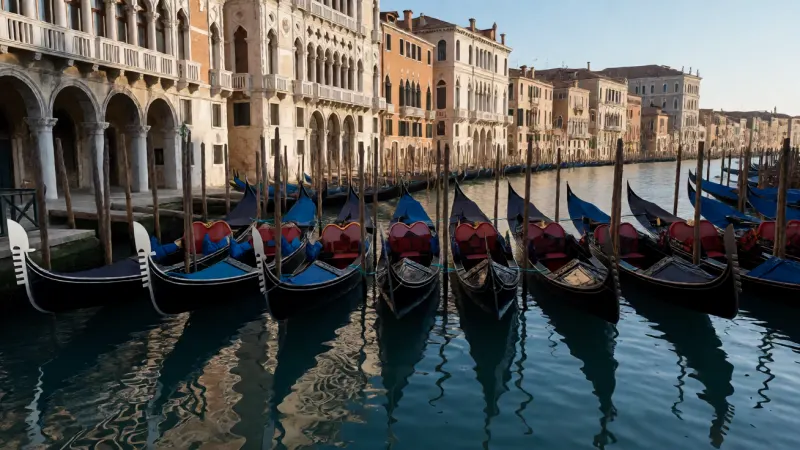
The goal is to experience the city’s diversity. One day you might be exploring the art galleries of Dorsoduro, the next you could be experiencing the local life in the quiet, green spaces of Castello.
San Marco: Beyond the Basilica and Bridge of Sighs
While San Marco is the city’s most crowded district, it holds treasures often missed by those rushing between landmarks. The real magic here happens early in the morning or late at night when the day-trippers have departed. Explore the area around Teatro La Fenice, the famous opera house that has risen from the ashes twice, or seek out the Scala Contarini del Bovolo, a stunning spiral staircase hidden in a small courtyard.
Even here, a few steps away from the main piazza can lead you to quiet campi where you can enjoy a coffee without the crowds. It’s about finding the pockets of calm within the storm.
Cannaregio: Uncovering the Authentic Venetian Soul
Stretching from the train station to the Rialto, Cannaregio is the most populated sestiere and arguably the most authentic. It is home to the historic Jewish Ghetto, the first of its kind in Europe, a deeply moving area with its own unique history, synagogues, and museum. This is an essential stop for understanding the rich cultural tapestry of Venice.
Venture north to the Fondamenta della Misericordia, a long, canal-side stretch lined with fantastic local bars (*bacari*) and restaurants. Here, you’ll find Venetians enjoying an evening spritz, a world away from the tourist menus of San Marco.
Castello: From Arsenale’s Power to Local Life
The largest of the sestieri, Castello, offers a journey through Venetian history and daily life. The western part is dominated by the Arsenale, the historic shipyard that was the source of the Venetian Republic’s naval power. Today, it’s a primary venue for the Biennale art and architecture exhibitions.
As you move east, the atmosphere changes completely. You’ll discover the Via Garibaldi, a wide, bustling street full of local shops, and the tranquil Giardini della Biennale, one of Venice’s few large green spaces. This is where you see children playing football and laundry strung between buildings—a glimpse into the Venice that exists for its residents.
Dorsoduro: The Artistic Heartbeat of Venice
Home to the Gallerie dell’Accademia and the Peggy Guggenheim Collection, Dorsoduro is the city’s artistic hub. But its appeal extends beyond its world-class museums. This sestiere boasts some of the most beautiful and tranquil canals in the city.
Take a stroll along the Zattere, a long promenade on the southern side of the island with stunning views of Giudecca island. Or explore Campo Santa Margherita, a large, lively square popular with students from the nearby Ca’ Foscari University. It’s the perfect place to experience Venice’s youthful, bohemian side.
San Polo: Rialto’s Riches and Hidden Markets
San Polo is one of the oldest parts of the city and is home to the famous Rialto Market. To experience it properly, you must visit in the morning when the fish and produce markets are in full swing. This is a feast for the senses and a true slice of Venetian life.
Beyond the market, San Polo is a maze of artisan shops, historic churches like the Basilica di Santa Maria Gloriosa dei Frari, and quiet squares. It’s smaller and more intimate than San Marco, offering a dense and rewarding area for exploration.
Santa Croce: The Gateway and Its Quiet Surprises
As the location of the bus station and car parks at Piazzale Roma, Santa Croce is the entry point for many visitors, but it’s often overlooked. While it may lack the density of major monuments found elsewhere, it offers a quieter, more subdued Venetian experience.
Explore the area around Campo San Giacomo dall’Orio, one of the city’s most charming and authentic squares. Here you’ll find a beautiful church, excellent local restaurants, and a pace of life that feels refreshingly normal. It’s a reminder that Venice is, first and foremost, a living city.
The Ultimate Venetian Transit Hack: Mastering the Vaporetto System
Walking is the best way to discover Venice’s hidden corners, but to truly see *all* of Venice—including its surrounding islands—you must master the Vaporetto, the city’s water bus system. Viewing it not as a tourist boat but as a strategic tool will fundamentally change how you explore.
Efficiently navigating the lagoon is a skill. It can save you hours of walking, allowing you to dedicate more energy to exploring the sestieri themselves. It is a critical component of any well-planned trip, especially if you are considering where to stay in Italy for a month with Venice as a base.
Decoding the Lines: A Simple Guide to Water Bus Routes
The Vaporetto map can seem intimidating, but you only need to know a few key lines for effective travel. Line 1 is the slow, scenic route down the Grand Canal, stopping at nearly every dock. It’s perfect for sightseeing but slow for transit. Line 2 is the express version of Line 1, making fewer stops between the train station and San Marco.
Lines 4.1 and 4.2 circle the main island in opposite directions (counter-clockwise and clockwise, respectively) and are essential for reaching the northern Fondamente Nove stop, the departure point for the outer islands. Line 12 is your dedicated vessel for Murano, Burano, and Torcello.
The Venezia Unica Pass: Is It Truly Your All-Access Ticket?
A single Vaporetto ride is expensive. If you plan on taking more than two or three trips in a day, a travel pass is almost always worth the investment. The Venezia Unica City Pass allows you to purchase timed passes (24, 48, 72 hours, or 7 days) for unlimited travel on all ACTV Vaporetto and mainland bus lines.
This pass provides freedom. It allows you to hop on and off at will, cross the Grand Canal effortlessly, and make spontaneous trips to islands like Giudecca or Lido without worrying about the cost of each journey. For anyone serious about exploring “Venezia tutte,” it is an essential purchase.
| Sestiere | Vibe & Atmosphere | Must-See Highlights | Hidden Gem Feel |
|---|---|---|---|
| San Marco | Monumental & Crowded | St. Mark’s Basilica, Doge’s Palace | Low (except early morning/late night) |
| Cannaregio | Authentic & Residential | Jewish Ghetto, Fondamenta Misericordia | High |
| Castello | Historic & Local | Arsenale, Via Garibaldi, Giardini | Very High (eastern part) |
| Dorsoduro | Artistic & Bohemian | Accademia, Guggenheim, Zattere | Medium to High |
| San Polo | Bustling & Historic | Rialto Market, Basilica dei Frari | Medium |
| Santa Croce | Quiet & Functional | Campo San Giacomo dall’Orio | Very High |
Beyond the Main Island: Exploring “Venezia Tutte” in the Lagoon
A complete Venetian experience is not confined to the six sestieri of the main island. The lagoon is dotted with other islands, each offering a unique perspective on Venetian life and history. Using your Vaporetto pass, these islands are easily accessible and provide a welcome change of pace from the dense urban fabric of the city center.
These excursions are not just “day trips”; they are integral parts of the Venetian world. They showcase the diversity of the lagoon’s ecosystem and the specialized crafts that have defined the region for centuries.
Murano, Burano, and Torcello: More Than Just Day Trips
These three islands are the most famous in the northern lagoon. Murano is renowned for its centuries-old glass-making tradition, and you can visit factories to see master artisans at work. Burano is a photographer’s dream, with its brightly colored houses and a rich history of lacemaking.
Torcello, however, is the real surprise. It was once the most powerful and populated island in the lagoon, long before Venice rose to prominence. Today, it is a quiet, green island with only a handful of residents, home to the magnificent Cathedral of Santa Maria Assunta, whose Byzantine mosaics are among the oldest and most beautiful in the region.
Giudecca and San Giorgio Maggiore: The View from Across the Water
Directly opposite San Marco is the long island of Giudecca. Historically a working-class area, it now offers a mix of quiet residential life and upscale hotels. Its main draw is the peaceful atmosphere and the unparalleled views back across the water to the Doge’s Palace.
Next to it is the tiny island of San Giorgio Maggiore, dominated by its Palladian church. Climbing the bell tower here offers the best panoramic view of Venice, a breathtaking vista that includes all of St. Mark’s Square without any of the crowds. It is arguably the single best photo opportunity in the city.
Exploring these different facets of Venice offers a richer, more rewarding journey. While some travel experiences are vastly different, like finding a couch surf in Los Angeles, the principle of seeking authentic, local experiences remains the same. By moving beyond the obvious, you discover the true soul of a destination.