You’ve booked the trip of a lifetime, dreaming of golden pyramids and bustling souks. But a nagging fear lingers: the dreaded “Pharaoh’s Revenge.” Traveler’s diarrhea is a real concern, capable of turning an incredible adventure into a miserable experience spent locked in a hotel room.
This fear isn’t unfounded. Food and water safety standards can differ significantly from what many travelers are accustomed to, making even the most iron-stomached individuals vulnerable. The key to a healthy trip lies not in avoiding Egyptian cuisine altogether, but in knowing precisely what to sidestep.
Understanding the risks is the first step toward a safe and delicious culinary journey through Egypt. From the water used to wash vegetables to the temperature of buffet food, being informed allows you to make smart choices without sacrificing the experience.
The Root of the Problem: Why Travelers Get Sick in Egypt
The primary reason travelers experience stomach issues in Egypt is exposure to bacteria and parasites their bodies aren’t used to. While locals may be immune, visitors are susceptible. This exposure happens through several common, and often overlooked, channels.
Contaminated water is a major culprit. Even in cities like Cairo where tap water is treated, the mineral and chlorine levels are different, which can upset a foreign digestive system. More critically, this water is often used to wash salads, fruits, and make ice, creating hidden risks in seemingly harmless foods.
Food handling and hygiene practices also play a significant role. Food left at improper temperatures, especially in buffets or at street stalls, can become a breeding ground for harmful bacteria. Cross-contamination from raw meat to other ingredients is another concern, particularly in smaller establishments where space and resources are limited.
Unraveling the Water Myth: Tap, Bottled, and Ice
The golden rule for any traveler in Egypt is simple: do not drink the tap water. While it may be technically safe by local standards, it contains different microbes that can easily lead to stomach upset for visitors. This rule extends beyond just drinking a glass of water.
You should also use bottled water for brushing your teeth to avoid accidentally swallowing tap water. When purchasing bottled water, always check that the seal is intact to ensure it hasn’t been refilled. Ice is another major risk, as it’s often made from tap water; it’s best to order your drinks without it unless you can confirm it was made from filtered or bottled water, which is common in high-end hotels and restaurants.
The Street Food Dilemma: Navigating the Bustling Stalls
Egyptian street food offers some of the most authentic and delicious culinary experiences, but it also carries the highest risk. The key is not to avoid it entirely, but to be extremely selective. A busy stall with a long line of locals is generally a safer bet, as high turnover means the food is fresh.
Look for vendors who prepare the food fresh in front of you. Always choose dishes that are served piping hot, as the heat kills most harmful bacteria. Be wary of anything that looks like it has been sitting out for a long time, especially meats or dishes with mayonnaise-based sauces.
Your Safe Eating Strategy: What to Avoid and What to Embrace
Navigating Egypt’s food scene safely is about making strategic choices. Some foods are inherently riskier than others for international travelers. Arming yourself with this knowledge allows you to enjoy the local cuisine with confidence.
Making smart decisions, like choosing reputable restaurants or understanding the risks of a buffet, can be the difference between a memorable meal and a memorable illness. It’s a balance between caution and cultural immersion. While some general travel advice can seem overly cautious, understanding the reasons behind it can help you make better judgments, such as when deciding whether Cairo or Istanbul might be a better fit for your travel style.
The “Fresh” Food Fallacy: Salads, Raw Vegetables, and Unpeeled Fruits
Fresh salads and raw vegetables are among the biggest culprits for traveler’s illness. The issue isn’t the vegetables themselves, but the tap water they are likely washed in. Unless you are dining in a high-end hotel known for its stringent hygiene practices, it is best to avoid raw salads and uncooked vegetables.
Fruit is generally a safer option, but with an important caveat: stick to fruits that you can peel yourself. Bananas, oranges, and mangoes are excellent choices because their protective skin keeps the edible part from coming into contact with contaminated water or hands. Avoid pre-cut fruit platters and fruits with edible skins like grapes and apples, unless you can wash them yourself with bottled water.
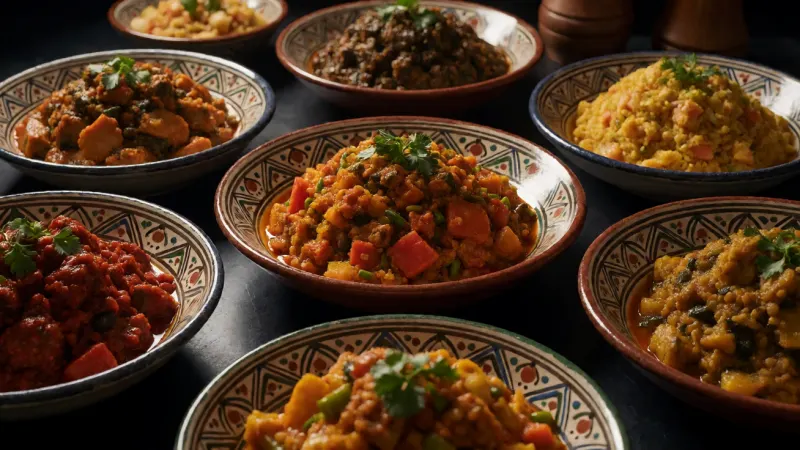
The Buffet Trap and Risky Proteins
Buffets, whether on a Nile cruise or in a hotel, can be risky. Food may be left sitting at lukewarm temperatures for extended periods, creating an ideal environment for bacterial growth. If you do eat from a buffet, try to eat as soon as it opens when the food is freshest and hottest.
Be particularly cautious with seafood and undercooked meat. Seafood that isn’t fresh or is improperly stored can cause severe food poisoning. Similarly, ensure any meat you eat is cooked thoroughly. Dishes like shawarma are often safer as the meat is cooked on a rotating spit for a long time, but always check that the portion served to you is cut from the cooked outer layer.
Mastering the Menu: A Guide to Safe and Risky Foods
To simplify your choices, a clear guide can help you quickly identify what to order and what to pass on. This allows you to explore the rich flavors of Egyptian cuisine while minimizing health risks. Being aware of these details can also help you understand some of the broader challenges you might face, which is a theme often explored in discussions about the harsh truths of Egyptian travel.
The following table breaks down common food and drink categories into “Safer Choices” and “Approach with Caution.” Use it as a quick reference when dining out, from street food stalls to hotel restaurants.
| Category | Safer Choices | Approach with Caution (Or Avoid) |
|---|---|---|
| Drinks | Sealed bottled water, hot tea/coffee, canned or bottled sodas, pasteurized juices in cartons. | Tap water, ice in drinks, freshly squeezed juices from street vendors, unpasteurized milk. |
| Fruits & Vegetables | Fruits you can peel yourself (bananas, oranges, mangoes), fully cooked vegetables. | Raw salads, unpeeled fruits (grapes, apples), pre-cut fruit platters, uncooked vegetable garnishes. |
| Meats & Seafood | Well-cooked meats and poultry served hot, dishes like Koshari (vegetarian), freshly fried Falafel (Ta’ameya). | Undercooked or rare meat, raw seafood (sushi, oysters), buffet seafood, food that has been sitting out. |
| Dairy | Pasteurized yogurt, hard cheeses, commercially packaged dairy products. | Unpasteurized milk, soft cheeses from local markets, homemade ice cream. |
| Street Food | Food from busy stalls that is cooked to order and served piping hot (e.g., Ta’ameya, Ful Medames). | Food that has been pre-cooked and is sitting out, anything with mayonnaise or creamy sauces. |
Beyond Food: Other Essential Health Precautions
Food and water are not the only vectors for illness. Maintaining good personal hygiene is crucial. Wash your hands frequently with soap and water, especially before eating. When soap and water aren’t available, use an alcohol-based hand sanitizer with at least 60% alcohol.
It is also wise to be prepared. Before you travel, consult with your doctor about packing a small medical kit with remedies for traveler’s diarrhea, such as loperamide and oral rehydration salts. Having these on hand can provide quick relief and prevent dehydration if you do fall ill.
Finally, trust your instincts. If a restaurant looks unclean, if the food smells off, or if you have any doubts about its safety, it is always better to err on the side of caution and find somewhere else to eat. Planning your trip with reliable services can also add a layer of security; it’s worth checking reviews to see if a booking site, for instance, is a service you can trust before making reservations.
Frequently Asked-Questions
Is it safe to drink tap water in Egypt?
It is generally not recommended for tourists to drink tap water in Egypt. While the water in major cities like Cairo is treated, it may contain different minerals and microorganisms that your stomach isn’t used to, which can lead to illness. It’s safest to drink sealed bottled water, which is widely and cheaply available.
Can I eat fresh fruits and vegetables?
You can enjoy fresh fruits and vegetables, but with caution. It’s best to eat fruits that you can peel yourself, like bananas and oranges. For salads and other raw vegetables, it’s advisable to only eat them in reputable hotels and restaurants that have high hygiene standards, as they may be washed with tap water.
Is street food safe to eat in Egypt?
Eating street food in Egypt can be a great experience, but it comes with risks. To be safe, choose vendors that are busy with a high turnover of customers, as this suggests the food is fresh. Opt for food that is cooked to order and served hot, and avoid anything that looks like it has been sitting out for a while.
What are some general tips to avoid getting sick from food in Egypt?
Besides being cautious with water and fresh produce, it’s wise to avoid raw or undercooked meats and seafood. Be wary of food from buffets that may not be kept at the proper temperature. Also, be cautious with ice in your drinks unless you are sure it’s made from filtered or bottled water.
Should I be concerned about food from restaurants?
While many restaurants maintain good hygiene, it’s sensible to choose places that appear clean and are popular with locals. To be extra cautious, you might opt for well-cooked dishes. Avoiding Western-style fast food from non-reputable vendors can also be a good idea as the quality may not be what you expect.