You’re dreaming of a scenic journey across the Adriatic, gliding from the historic port of Trieste to the magical canals of Venice. The idea of a ferry from Trieste to Venezia seems like the perfect, romantic way to travel. However, planning this idyllic trip reveals a frustrating problem: finding clear, up-to-date information is surprisingly difficult. Is there even a direct ferry service, and if so, when does it run and is it the best option?
This common travel dilemma leaves many visitors confused and unable to plan their Italian adventure effectively. The lack of a consistent, year-round car and passenger ferry creates a significant gap in travel options, forcing travelers to hunt for alternatives that might not offer the same sea-breeze experience they envisioned. This guide cuts through the confusion, providing a definitive answer to the ferry question and laying out all the best alternative travel solutions.
The Truth About the Trieste to Venice Ferry Service
Let’s address the core question immediately: there is no regular, year-round car ferry service operating directly between Trieste and Venice. While the idea is appealing, the reality is that this route is not commercially serviced for vehicle and passenger transport on a daily or weekly basis. The primary reasons are the efficiency and low cost of the land-based alternatives connecting the two cities, which are only about 160 kilometers apart.
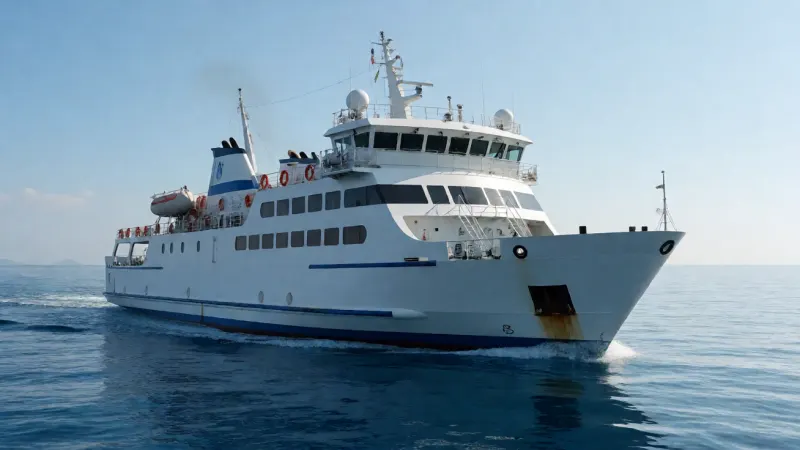
However, there is a seasonal passenger-only service. Typically operating during the summer months (usually from June to September), a high-speed hydrofoil or catamaran service, often run by companies like Liberty Lines, connects the two cities. This service is designed for tourists, offering a beautiful coastal journey across the Gulf of Trieste, but it does not accommodate vehicles and is subject to weather conditions.
Understanding the Seasonal Passenger Ferry
The seasonal ferry is an excellent option if your travel dates align and you are traveling without a car. It transforms the journey from a simple transit into a scenic excursion. The trip usually takes around two to four hours, offering stunning views of the Adriatic coastline, including glimpses of coastal towns and the Miramare Castle.
It’s crucial to check the operator’s schedule well in advance, as timetables can change and services are limited to specific days of the week. Booking ahead is highly recommended, especially during the peak tourist months of July and August, to secure a seat on this popular route.
Your Best Alternatives for Traveling Between Trieste and Venice
Since the ferry is not a year-round or vehicle-friendly option, most travelers will need a reliable alternative. Fortunately, the connection between these two iconic Northern Italian cities is well-served by efficient and affordable land transportation. Each option offers a different balance of speed, cost, and convenience, allowing you to choose the best fit for your travel style.
Option 1: The Train – The Fastest and Most Convenient Choice
For the vast majority of travelers, the train is the undisputed best way to get from Trieste to Venice. Italy’s national rail service, Trenitalia, operates frequent services connecting Trieste Centrale with Venezia Santa Lucia station. The journey is fast, comfortable, and delivers you directly to the heart of Venice, right on the Grand Canal.
High-speed *Frecciarossa* trains can make the trip in as little as 1 hour and 36 minutes, while the more economical *Regionale* trains take around 2 hours. With dozens of trains running daily, you have incredible flexibility in your travel schedule. The cost is also very reasonable, particularly if you book in advance.
Option 2: The Bus – The Most Budget-Friendly Solution
If minimizing cost is your top priority, the bus is an excellent choice. Companies like FlixBus and Itabus offer direct services between Trieste’s bus station (located conveniently next to the train station) and Venice’s Tronchetto or Mestre bus terminals. The journey typically takes about 2 hours, making it very competitive with the regional train in terms of time.
While perhaps slightly less comfortable than the train, modern coaches are equipped with Wi-Fi, power outlets, and restrooms. Tickets can be incredibly cheap, sometimes costing only a few euros, especially when booked ahead of time. This makes the bus the ultimate option for budget-conscious travelers.
Option 3: Driving – The Path to Freedom (With a Catch)
Renting a car and driving offers the most freedom, allowing you to explore the charming towns and sights along the A4 motorway at your own pace. The drive itself is straightforward and takes around 1 hour and 40 minutes in normal traffic. This option is ideal if you plan to visit other destinations in the Friuli Venezia Giulia or Veneto regions.
However, driving comes with a significant challenge: Venice is a car-free city. You cannot drive into the historic center. You will have to park your car in one of the large, expensive parking garages at Piazzale Roma or Tronchetto on the edge of the city and then proceed by Vaporetto (water bus) or on foot. The daily cost of parking can be substantial, making this the least practical option if Venice is your sole destination.
Comparing Your Travel Options at a Glance
To help you make an informed decision, here is a clear comparison of the primary methods of travel between Trieste and Venice. This table breaks down the essential factors for each mode of transport, providing a quick and easy-to-understand overview.
| Mode of Transport | Average Travel Time | Average Cost | Best For | Key Considerations |
|---|---|---|---|---|
| Seasonal Ferry (Passenger Only) | 2.5 – 4 hours | €€€ | Scenery, Unique Experience | Only operates in summer; no vehicles; weather dependent. |
| Train (Regionale & High-Speed) | 1.5 – 2 hours | €€ | Speed, Convenience, Comfort | Arrives directly at Venice Santa Lucia on the Grand Canal. |
| Bus | 2 – 2.5 hours | € | Budget Travelers | Very affordable; multiple departures daily. |
| Car | ~1 hour 40 minutes | €€€€ | Flexibility, Exploring the Region | Extremely expensive parking; car must be left at the edge of Venice. |
Making the Right Choice for Your Trip
Deciding on the best way to travel depends entirely on your priorities. Are you seeking the quickest route, the cheapest ticket, or the most memorable experience? By considering your personal travel style and needs, you can select the perfect option for your journey.
If you’re traveling with significant luggage, the train offers the most seamless experience, taking you from city center to city center. When navigating stations and the cobbled streets of Venice, your choice between 8 wheel vs 4 wheel luggage can greatly enhance your mobility and comfort. For those on a tight budget, the bus provides a reliable and incredibly cost-effective service without a significant time penalty.
The Adventurous Alternative: A Coastal Train and Ferry Hop
For travelers who still crave a journey by sea but find the direct ferry’s schedule too restrictive, a unique hybrid option exists. This route combines the efficiency of the train with the charm of a local ferry, offering a taste of the Adriatic coastline. It provides an original travel experience that few tourists consider.
You can take a regional train from Trieste to a coastal town like Monfalcone or further to the resort areas near the Venetian Lagoon. From there, local water transport services can connect you to Venice, often via Chioggia or Lido. This approach requires more planning but rewards adventurous travelers with a more intimate and less-trodden path into the heart of La Serenissima.
Logistical Tips for a Smooth Journey
No matter which mode of transport you choose, a little planning goes a long way. Booking tickets in advance online is almost always cheaper, especially for trains and buses. Websites like Trenitalia and FlixBus are user-friendly and allow you to secure your spot and price weeks or even months ahead.
When booking, it is critical to enter your details accurately. Ensuring you provide your full name and date of birth on check correctly can prevent any issues with ticketing or identity verification. Similarly, when choosing a provider, consider what matters most to you. Just as travelers weigh the service differences between Lufthansa vs American Airlines for long-haul flights, comparing the comfort of a Frecciarossa train against the price of a budget bus involves a similar trade-off between cost and amenities.
Frequently Asked Questions
Is there a direct car ferry from Trieste to Venice?
No, there is currently no regular, year-round ferry service for cars and passengers directly between Trieste and Venice. The primary modes of transport are train, bus, and car via the motorway.
How long does the seasonal passenger ferry take?
The seasonal high-speed passenger ferry, when operational, typically takes between 2.5 to 4 hours to travel from Trieste to Venice, offering a scenic coastal route.
What is the cheapest way to get from Trieste to Venice?
The bus is almost always the cheapest option. Companies like FlixBus offer tickets for as low as €5 when booked in advance, making it the most budget-friendly choice.
Is the train journey from Trieste to Venice scenic?
The train journey is efficient but not exceptionally scenic. For the best views, the seasonal passenger ferry provides a far more picturesque experience along the Adriatic coast.
Do I need to book my travel tickets in advance?
It is highly recommended to book train and bus tickets in advance to secure the best prices and guarantee your seat, especially during peak travel seasons. For the seasonal ferry, advance booking is essential as it can sell out quickly.
Conclusion: Your Perfect Journey Awaits
While the dream of a leisurely car ferry from Trieste to Venice remains elusive for now, the journey between these two magnificent cities is easier and more accessible than ever. The fast and comfortable train network stands out as the premier choice for most travelers, offering an ideal blend of speed, cost, and convenience that is hard to beat.
For those with a keen eye on their budget, the bus offers an incredibly affordable alternative without a major sacrifice in travel time. And for summer visitors, the seasonal passenger ferry provides a truly memorable and scenic voyage across the Adriatic. By understanding these options, you can confidently plan the perfect trip that suits your schedule, budget, and travel desires, ensuring a smooth and enjoyable start to your Venetian adventure.