You’ve just landed in a beautiful European city, ready for the trip of a lifetime. But when you try to order a coffee, the barista is curt. When you ask for directions, you get a blunt, one-word answer. It’s a common story travelers tell: Why are Europeans so rude?
This perception is one of the biggest sources of culture shock for visitors, especially those from North America. But the truth is far more complex than simple rudeness. What is often interpreted as unfriendly behavior is actually a deep cultural difference in communication styles, social norms, and the definition of politeness itself.
Understanding these nuances is the key to transforming your travel experience from one of frustration to one of genuine connection. This guide will deconstruct the myth of European rudeness, revealing the unspoken rules of the continent so you can navigate your journey with confidence and grace.
Decoding the “Rudeness”: Directness vs. Superficiality
One of the most significant cultural divides is the approach to communication. Many cultures, particularly in the United States, value an overtly friendly and effusive style of interaction, especially in the service industry. This is often perceived by Europeans as superficial or even insincere.
In contrast, many European cultures prioritize direct and efficient communication. Small talk is often reserved for friends and family, not for commercial transactions. A server who takes your order, delivers your food, and brings the bill without excessive chatter is seen as doing their job professionally, not as being rude.
The Customer is Not Always King
The concept of “the customer is always right” is largely an American invention and does not hold the same weight in most of Europe. Service industry professionals often view their role as a skilled trade, not one of subservience. They expect to be treated with a baseline of respect, and the interaction is seen as a transaction between equals.
Don’t expect beaming smiles or questions about your day. Instead, appreciate the efficiency and professionalism. The focus is on providing you with what you asked for, not on becoming your temporary best friend. This transactional approach is a sign of respect for your time and their own.
The Public vs. Private Self: A Deep Cultural Divide
In many European societies, there is a very strong distinction between the public and private spheres. In public—on the street, on public transport, in a shop—people tend to be more reserved, formal, and keep to themselves. This is not a sign of unhappiness or unfriendliness; it is a way of maintaining social order and personal space in often densely populated areas.
Smiling at strangers or striking up a conversation in a queue can be seen as intrusive or strange. Once you are invited into the private sphere—into someone’s home or a close-knit group of friends—the warmth and hospitality can be overwhelming. The barrier to entry is just higher than what many visitors are used to.
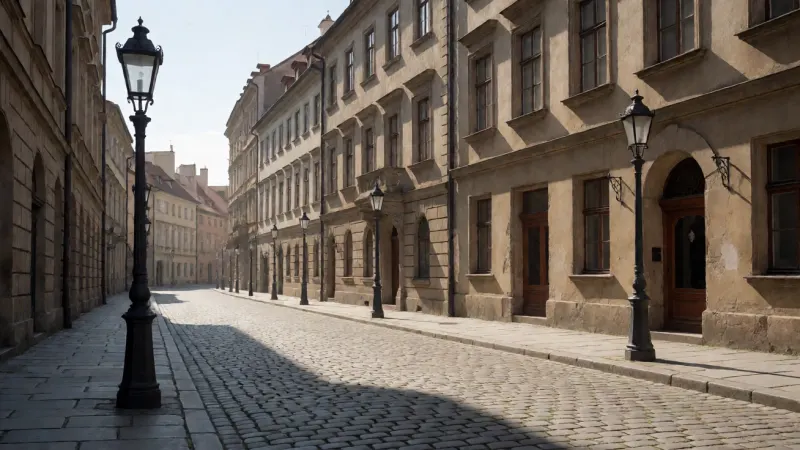
This public reserve is a form of civic politeness. It’s an unspoken agreement to grant fellow citizens anonymity and space. By not engaging, locals are showing respect for others’ privacy, a concept that can feel like coldness to those from more outwardly expressive cultures.
Are You the Rude One? Common Tourist Mistakes
Before judging an entire continent, it’s worth considering how your own behavior might be perceived. Travelers, often unknowingly, can break crucial social rules that signal disrespect to locals. Adjusting your own actions can dramatically change the reactions you receive.
Forgetting Basic Greetings
This is perhaps the most important rule to learn. In many European countries, especially in smaller shops, boutiques, and cafes, it is considered extremely rude to not greet the staff upon entering and leaving. You are entering their space, and a simple acknowledgment is expected.
A simple “Bonjour” in France, “Guten Tag” in Germany, or “Buongiorno” in Italy changes the entire dynamic. It signals that you are a respectful visitor, not just a demanding consumer. The same goes for saying “Au revoir,” “Auf Wiedersehen,” or “Arrivederci” when you leave.
Being Too Loud
One of the most common complaints about tourists is their volume. European cities are often quiet and conversations in restaurants, cafes, and on public transport are held at a much lower decibel level. Shouting across a room or having a loud phone conversation is seen as disruptive and inconsiderate.
Pay attention to the ambient noise level and adjust your own voice to match it. This simple act of observation shows that you are aware of your surroundings and respectful of the local environment. It helps you blend in rather than stand out as a disruptive outsider.
Misunderstanding Tipping and Service
Tipping culture varies wildly across Europe. In many countries, service is already included in the bill, and a tip is a small bonus for exceptional service, not an obligation. Overtipping can be seen as flashy or even condescending, as if you are implying the staff is not paid a living wage.
Before you travel, research the tipping customs for your destination. In most places, rounding up the bill or leaving a few extra euros is more than sufficient. Don’t impose your own cultural norms around tipping; adapt to the local standard.
A Glimpse Into Regional Differences
Europe is a continent of dozens of countries and cultures; there is no single “European” way of being. Communication styles and social etiquette can change dramatically from one border to another. Understanding these regional nuances is key to a smoother travel experience.
The following table provides a simplified overview of what to expect in a few major destinations, but remember that individual personalities will always vary.
| Country | Communication Style | Common Greeting | Service Expectation |
|---|---|---|---|
| France | Formal and direct. Politeness is shown through proper greetings (“Bonjour/Au revoir”) rather than overt friendliness. | Always greet shopkeepers. A handshake is common, and cheek kisses (“la bise”) are for friends and family. | Service is professional and efficient, not chatty. The server will often leave you alone until you signal for the bill (“l’addition, s’il vous plaît”). |
| Germany | Extremely direct and rule-oriented. Honesty is valued above all; sugar-coating is rare. Punctuality is critical. | A firm, brief handshake is the standard greeting. Use formal titles (“Herr/Frau”) until invited to use first names. | Very transactional and efficient. Do not expect small talk. Service is prompt and to the point. |
| Italy | Expressive, warm, and can be indirect. Socializing is important, but there is still a clear line between public and private. | “Buongiorno” (Good day) and “Buonasera” (Good evening) are essential. Casual interactions are common. | Can seem chaotic but is generally attentive. Service can be slower-paced as meals are meant to be enjoyed over time. |
| Spain | Relaxed, friendly, and social. People are generally more open to conversation than in Northern Europe, but directness is still common. | A handshake, or often two cheek kisses (“dos besos”) even in introductory settings. | Service is laid-back and can be slow. Dining is a social event, not a race. You will almost always have to ask for the bill. |
Actionable Advice for a Better Trip
Armed with this cultural knowledge, you can actively change your approach to interactions to get a much warmer reception. It’s not about changing who you are, but about showing respect for the culture you are visiting.
Learn the Magic Words
You do not need to be fluent in the local language, but learning five key phrases is a game-changer: Hello, Goodbye, Please, Thank You, and Excuse Me. Using these simple words in the local tongue shows effort and respect, and it will almost always be met with a more positive reaction.
This small gesture immediately separates you from the tourists who expect everyone to cater to them in English. It is a sign of a true traveler, not just a consumer.
Observe, Listen, and Adapt
Spend your first day in a new city just watching. Sit at a sidewalk cafe and observe how locals interact with each other and with service staff. Notice the volume of their conversations, their body language, and the level of formality. Then, try to mirror it.
This practice of cultural mimicry is the fastest way to adapt. By aligning your behavior with the local norms, you reduce friction and show that you are an observant and respectful visitor. This is the secret to unlocking more authentic and positive interactions.
Manage Your Travel Stress
Travel can be stressful, and that stress can color your perceptions. When you encounter booking issues or logistical nightmares, it’s easy to become frustrated and interpret neutral interactions as hostile. Ensuring your travel plans are solid from the start is crucial for maintaining a positive mindset.
Stress from travel planning can also color your perceptions. When you encounter booking issues, like finding Expedia charged me without booking, it’s easy to become frustrated and interpret neutral interactions as negative. Using a vetted service can prevent these headaches; always do your homework to see if is Crystal Travel legit before making reservations. A smooth logistical experience allows you to focus on the cultural experience.
Understand the Local Context
Recognize that every destination has its own rhythm and rules. The etiquette in a major capital city will be different from that in a small rural village. Similarly, different venues have different expectations. Understanding the local scene is paramount whether you’re visiting a museum or exploring nightlife.
Knowing the specific etiquette for certain venues, like in our guide to navigating a Strip Club Croatia, helps avoid scams and cultural misunderstandings. This principle applies everywhere: research the context to ensure a smoother experience.
The Unspoken Social Fabric
To truly grasp European social norms, one must look beyond surface-level actions. The “rudeness” is often a byproduct of historical, social, and even geographical factors that are invisible to the casual visitor. These deep-rooted elements shape the very character of a place.
Think of it as a social *terroir*—just as the soil and climate shape the taste of wine, a region’s history and living conditions shape its social etiquette. In many European cities, centuries of high-density living have made the preservation of personal space a psychological necessity. The public reserve you encounter is a highly effective, unspoken system for keeping the peace among millions of people living in close quarters.
Furthermore, many of these societies have endured periods of immense hardship, from wars to economic austerity. This shared history has often fostered a culture of pragmatism and resilience, where emotional expression is more subdued and reserved for trusted friends and family. A focus on practicality over pleasantries is often a deeply ingrained cultural trait, not a personal slight.
Conclusion: It’s a Matter of Perspective
The idea that an entire continent of nearly 45 countries is “rude” is, on its face, a simplification. What travelers perceive as rudeness is almost always a misunderstanding of deeply ingrained cultural norms that prioritize directness, privacy, and efficiency over overt friendliness.
By adjusting your expectations and your own behavior, you can completely reframe your experience. Learn the basic greetings, observe local customs, and understand the historical context. Approaching your travels with curiosity and a willingness to adapt is the key.
The directness you once saw as hostile will start to feel like honesty. The reserve you interpreted as coldness will reveal itself as respect for privacy. You will discover that beneath a different veneer of politeness lies the same human warmth and connection you can find anywhere in the world.