The gentle hum of the engines, the dim cabin lights, the promise of a new destination—it’s the ideal start to a long-haul journey. Then, it begins: a whimper, then a sob, escalating into a full-blown cry from a small child that echoes through the cabin. For parents, it’s a moment of rising panic; for fellow passengers, it’s a test of patience.
A crying child on a 12-hour flight is one of the most stressful scenarios in travel, for everyone involved. But it doesn’t have to ruin the experience. Understanding the root causes of a child’s distress is the first step toward a peaceful journey for all.
Decoding the Tears: Why Do Children Cry on Planes?
A child’s cry is their primary form of communication. On an airplane, the environment is ripe with triggers that can turn even the calmest child into a ball of frustration and tears. Addressing the problem effectively means understanding exactly what they’re trying to say.
The Unseen Enemy: Ear Pressure Pain
The most common culprit behind in-flight tears is ear barotrauma, or “airplane ear.” During takeoff and descent, the air pressure in the cabin changes faster than the pressure inside a child’s middle ear can equalize. This imbalance pushes on the eardrum, causing significant pain.
A child’s Eustachian tubes—the small passages that connect the middle ear to the back of the throat—are narrower and more horizontal than an adult’s. This anatomical difference makes it much harder for them to equalize pressure naturally. The pain can be sharp and alarming, leading to sudden, intense crying spells, especially during the final 30-40 minutes before landing.
Sensory Overload in a Confined Space
An airplane cabin is a whirlwind of unfamiliar sensations. The loud engine noise, the recycled dry air, the bright cabin lights, the constant announcements, and the presence of hundreds of strangers can be overwhelming for a young child.
This sensory overload can lead to overstimulation, anxiety, and fear. Unable to process the flood of new information, a child may resort to crying as a way to release their tension and express their discomfort.
Disruption of Routine and Exhaustion
Children thrive on routine. Travel, by its very nature, disrupts their carefully established schedules for sleeping, eating, and playing. A 12-hour flight, especially a red-eye, throws their internal body clock completely off-kilter.
Overtiredness is a major trigger for meltdowns. A child who has missed their nap or is being kept awake past their usual bedtime will quickly become irritable and prone to tantrums. Their inability to move freely and play only exacerbates the frustration.
The Proactive Parent’s Playbook: Pre-Flight Preparations
A smooth flight with a child begins long before you arrive at the airport. Strategic planning can mitigate most of the common in-flight challenges. Think of this as setting the stage for success at 35,000 feet.
Booking and Seating Strategy
Choose your flight time wisely. If possible, book a flight that aligns with your child’s natural sleep schedule. An overnight or “red-eye” flight can be a great option, as the dark, quiet cabin encourages sleep for a significant portion of the journey.
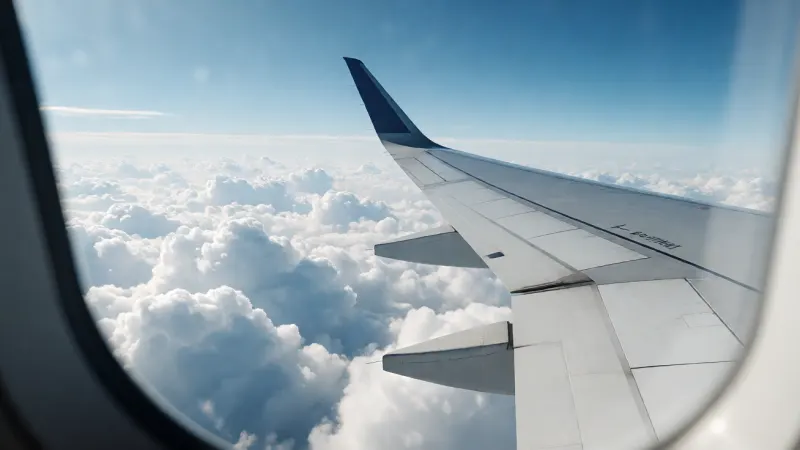
Select your seats with care. A window seat can provide a welcome distraction, allowing your child to look at the clouds and the world below. Bulkhead seats offer more legroom for a bit of floor play, but be aware that armrests in these rows are often fixed. An aisle seat provides easy access for walks up and down the cabin and quicker trips to the lavatory.
Master the Art of Packing the Carry-On
Your carry-on bag is your in-flight survival kit. Pack it with intention, ensuring everything you need is easily accessible. A well-organized bag means you won’t be scrambling in a dark cabin while trying to soothe a crying child.
Snacks, snacks, and more snacks. Pack a variety of your child’s favorite mess-free snacks. Eating is a fantastic distraction and the act of chewing can help with ear pressure. Think puffs, crackers, fruit pouches, and granola bars. Having familiar food from home can also be a source of comfort.
The entertainment arsenal. Do not rely solely on in-flight entertainment. A tablet loaded with downloaded shows and toddler-friendly games is essential. Also, bring a few new, small toys or sticker books that can be revealed periodically throughout the flight to maintain interest. The novelty of a new toy can buy you precious minutes of peace.
Health and Comfort Checklist
Consult your pediatrician. If your child has recently had a cold or an ear infection, talk to your doctor before flying. They can offer advice and may suggest a pain reliever to administer before takeoff and landing to help manage ear discomfort.
Dress in comfortable layers. Cabin temperatures can fluctuate dramatically. Dress your child in soft, breathable layers that can be easily added or removed. Pack a complete change of clothes for both your child and yourself in your carry-on—spills and accidents happen.
In-Flight Masterclass: Strategies for a Peaceful Journey
Once you’re on board, your preparation pays off. It’s time to deploy your strategies to keep your child comfortable, engaged, and calm throughout the 12-hour flight. Your proactive approach can make all the difference.
Conquering Ear Pressure During Takeoff and Landing
This is the most critical phase for preventing pain-related crying. The key is to encourage swallowing, which helps open the Eustachian tubes and equalize pressure. Start your efforts as the plane begins to taxi for takeoff and about 30-40 minutes before the scheduled landing time.
For infants: Breastfeed or offer a bottle or pacifier. The sucking and swallowing motion is the most effective way for babies to clear their ears.
For toddlers: Offer a drink in a sippy cup, a lollipop, or chewy snacks. Have them yawn by pretending to be a sleepy lion. If they are old enough, chewing gum can also be effective.
The Rhythm of the Flight: Eat, Play, Sleep
Try to create a mini-routine on the plane. Structure the long hours around periods of eating, activity, and rest. This predictability can be comforting for a child in an unfamiliar environment.
Activity and Movement. Don’t stay seated for 12 hours straight. When the seatbelt sign is off, take regular walks up and down the aisle. A change of scenery can work wonders. If you are considering bringing a larger item for your child’s comfort, it’s wise to check airline policies first; for instance, understanding can you take a wagon on a plane will save you from potential headaches at the gate.
Calm-Down and Sleep. When it’s time to rest, recreate their bedtime routine as much as possible. Change them into pajamas, read a favorite book, and bring a familiar blanket or stuffed animal from home. The familiar smells and textures can be incredibly soothing and signal that it’s time to sleep.
Engage, Don’t Just Distract
While a tablet can be a lifesaver, passive screen time can sometimes lead to more frustration. Engage with your child directly. Play “I Spy” with things in the cabin, tell stories, or use the in-flight magazine to look at pictures.
This engagement provides connection and reassurance, which is often what a child craves most when they feel anxious. This approach is far more effective than the thrilling distractions you might plan for a day at an amusement park like in the great Six Flags vs Kings Dominion debate.
The Essential Long-Haul Flight Survival Kit
A well-stocked carry-on is non-negotiable. Here is a table outlining the essentials to pack to ensure you’re prepared for any situation that arises during your 12-hour journey.
| Category | Essential Items | Purpose |
|---|---|---|
| Comfort & Sleep | Pajamas, favorite blanket, small pillow, stuffed animal/lovey | Creates a familiar sleep environment and signals rest time. |
| Feeding & Snacks | Formula/milk, bottles, variety of mess-free snacks (crackers, puffs, fruit pouches), sippy cup | Soothes hunger, provides distraction, and aids in ear pressure equalization. |
| Entertainment | Tablet with downloaded content, child-safe headphones, sticker books, crayons, new small toys | Keeps child engaged and prevents boredom-related fussiness. |
| Health & Hygiene | Diapers, wipes, diaper cream, hand sanitizer, children’s pain reliever (as advised by doctor), change of clothes (for child & parent) | Manages basic needs and prepares for spills, accidents, or discomfort. |
| Ear Pressure Relief | Pacifier, lollipop, chewy snacks, sippy cup | Encourages the swallowing and sucking motions needed to clear ears. |
The Psychological Component: Managing Your Own Stress
A child is highly attuned to their parent’s emotional state. If you are stressed and anxious about them crying, they will pick up on it, which can escalate their own distress. It’s a difficult cycle, but managing your own anxiety is a powerful tool.
Breathe. When the crying starts, take a deep breath. Remind yourself that you are prepared and you are doing your best. A calm demeanor can have a surprisingly calming effect on your child.
Ignore the Stares. It’s easy to feel like every eye is on you, judging your parenting. Most fellow passengers are more understanding than you think; many have been in your shoes. Focus on your child, not the perceived judgment of others.
A Note for Fellow Passengers: A Little Empathy Goes a Long Way
If you find yourself seated near a family with a crying child, remember that the parents are likely more stressed than you are. A compassionate response can make a world of difference in a tense situation.
Offer a kind smile. A simple, reassuring smile can communicate understanding and solidarity. It lets the parents know they are not alone and that you aren’t silently cursing them.
Offer to help. If you see a parent struggling, a small offer can be a huge relief. “Can I help you get that bag down?” or “Would you like to get into the aisle first?” are simple gestures of kindness.
Pack noise-canceling headphones. As a seasoned traveler, being prepared for various in-flight scenarios is key. Packing headphones allows you to create your own peaceful environment, regardless of what is happening around you. This is a practical tip, much like finding Euro Stores to save money on your trip.
Surviving a 12-hour flight with a crying child is a challenge, but it is manageable. With proactive planning, a well-packed bag, and a calm mindset, parents can transform a potentially stressful ordeal into a smooth journey. And for fellow passengers, a dose of empathy can make the shared space of an airplane cabin a much more pleasant place for everyone.